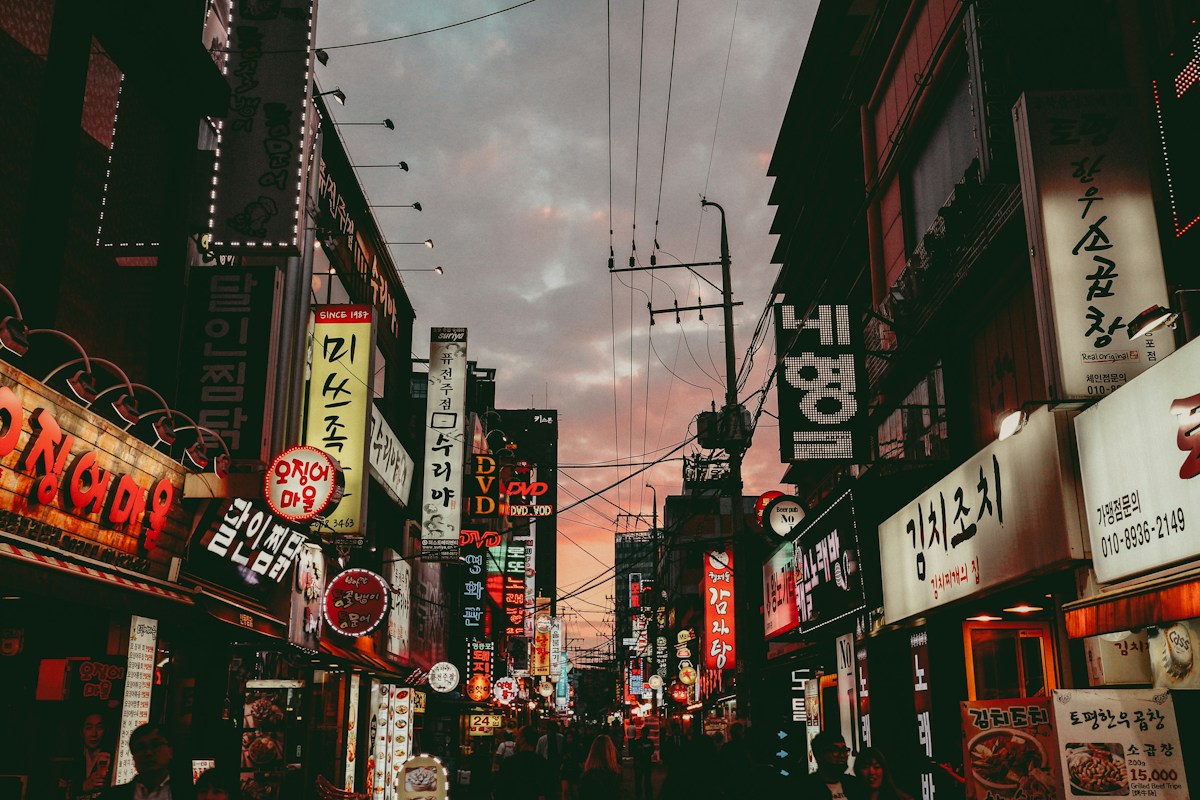

South Korea faces a dual reality in August 2026: a severe heat wave testing infrastructure limits while cultural exports drive unprecedented tourism growth. These contrasting trends highlight the nation’s resilience and global appeal, painting a complex picture of challenges and opportunities for Asia’s fourth-largest economy.
Record-Breaking Heat Wave Strains National Resources
Electricity Demand Hits Historic High
South Korea recorded its highest electricity demand of 2026 this week as prolonged high temperatures forced millions to rely on air conditioning around the clock. Industry data from Yonhap News Agency confirms the strain on power grids, with peak usage surpassing previous summer records by nearly 15 percent. Energy officials are closely monitoring supply capacity, particularly during afternoon peak hours when residential and commercial demand converges.
The Korea Electric Power Corporation has activated emergency protocols to prevent potential blackouts, including encouraging voluntary conservation during peak hours and coordinating with industrial facilities to shift energy-intensive operations to off-peak periods. Despite these measures, concerns remain about the grid’s ability to handle sustained extreme heat as climate patterns shift toward more intense summer conditions.
Agricultural Prices Surge Amid Heat Stress
The heat wave has significantly impacted agricultural production across the peninsula, causing food prices to spike dramatically. The retail price of 100 grams of spinach has increased by over 40 percent compared to the same period last year, while other leafy vegetables show similar trends. Tomatoes, cucumbers, and peppers—staples of Korean cuisine—have also seen sharp price increases as crops struggle to survive extreme temperatures exceeding 35 degrees Celsius in many regions.
Farmers in Gyeonggi and Chungcheong provinces report withered crops and reduced yields despite intensive irrigation efforts. This agricultural crisis particularly affects household budgets nationwide, with lower-income families facing difficult choices about food purchases. The government has announced plans to release emergency stockpiles of key vegetables and provide subsidies to help stabilize prices, but experts warn that climate adaptation in agriculture requires long-term structural changes.
Health Crisis: Heat-Related Illnesses Triple
Government health statistics reveal a deeply troubling trend: heat-related illness cases in late summer have nearly tripled over the past decade, with an annual average of 215 patients requiring medical attention. This year’s numbers are trending even higher, with emergency rooms reporting increased visits for heat exhaustion, heat stroke, and dehydration-related complications.
Most cases concentrate among elderly citizens over 65 and outdoor workers in construction, agriculture, and delivery services. Public health officials have issued urgent warnings urging vulnerable populations to remain indoors during peak heat hours between noon and 4 PM, stay hydrated, and check on elderly neighbors. Seoul and major cities have expanded cooling center operations, opening public facilities as refuges from extreme temperatures.
Medical experts emphasize that rising heat illness rates reflect not just hotter temperatures but also Korea’s aging population and changing work patterns. The government is considering mandatory heat safety regulations for outdoor industries and enhanced heat wave early warning systems integrated with healthcare networks.
Tourism Balance Reaches Post-Pandemic Record
K-Pop and Korean Culture Drive Visitor Growth
Despite summer heat challenges that might deter some travelers, South Korea’s cultural influence continues attracting international visitors in unprecedented numbers. The country’s tourism balance hit its highest surplus since the COVID-19 pandemic, with the latest data showing net tourism revenue exceeding pre-pandemic levels for the first time.
Industry analysts attribute this growth primarily to the global popularity of Korean pop culture, including K-pop music, Korean dramas, Korean cinema, and entertainment content that has captured imaginations worldwide. Popular BTS member solo tours, new K-drama filming location tours, and K-beauty shopping experiences draw visitors who are willing to brave summer heat to experience Korean culture firsthand.
Southeast Asian visitors from Singapore, Thailand, Malaysia, and Indonesia comprise the largest segment, followed by increasing numbers from China as travel restrictions ease further. European and North American visitors, while smaller in absolute numbers, are growing at the fastest rate, reflecting Korea’s expanding cultural footprint in Western markets.
Economic Impact of Cultural Exports
The tourism boom demonstrates Korea’s remarkably successful soft power strategy built over two decades of cultural investment. Visitors from across Asia, Europe, and North America are spending more time and money exploring Seoul’s trendy Gangnam and Hongdae entertainment districts, visiting filming locations in Busan and Jeju Island, and discovering Korean cuisine beyond the familiar bulgogi and bibimbap.
Average tourist spending has increased significantly, with visitors allocating larger portions of budgets to shopping for Korean cosmetics, fashion, and electronics. Hotel occupancy rates in Seoul exceed 85 percent despite premium pricing, while restaurants in popular tourist areas report record revenues. This economic injection provides crucial support as the nation manages substantial expenses related to heat wave infrastructure upgrades and emergency response.
Tourism industry leaders project continued growth through autumn, traditionally Korea’s most pleasant season for visitors. However, they acknowledge the need to address climate challenges to maintain long-term competitiveness, including improving indoor cooling in tourist areas and developing heat-adaptive tourism products.
Government Response and Future Outlook
Infrastructure Adaptation Plans
Korean authorities are developing comprehensive long-term strategies to address escalating climate challenges while supporting economic growth. These initiatives include major investments in upgrading power generation capacity, particularly renewable energy sources like solar and offshore wind, to reduce dependence on fossil fuels while meeting rising electricity demand.
The government plans to establish a network of climate-resilient cooling centers in every major city, implement smart grid technologies that better manage peak demand, and invest significantly in heat-resistant agricultural technologies including greenhouse innovations and drought-resistant crop varieties. The Ministry of Environment has announced a tripling of funding for climate adaptation programs over the next five years, recognizing that Korea current events increasingly reflect global climate patterns.
Public Health and Worker Safety Initiatives
New occupational safety regulations under consideration would mandate work breaks, hydration access, and cooling stations for outdoor workers during extreme heat periods. Labor unions have pushed for these protections after several heat-related deaths among delivery workers and construction crews in recent years. The proposed rules would apply to all industries with significant outdoor exposure, potentially affecting hundreds of thousands of workers.
Healthcare facilities are expanding emergency capacity specifically for heat-related cases, with specialized treatment protocols and staff training programs. Community health centers are conducting outreach to elderly residents, distributing cooling supplies and educational materials about heat illness prevention.
Balancing Crisis Management with Growth
The simultaneous occurrence of climate stress and tourism success presents both significant challenges and unique opportunities for policymakers. Government officials must ensure visitor safety during extreme weather events while capitalizing on cultural momentum that drives economic growth. This delicate balance requires enhanced public transportation with improved cooling systems, better air quality measures in urban areas, and expanded tourist facilities designed for climate resilience.
Tourism authorities are working with hospitality industry partners to develop heat safety guidelines for tourists, including multilingual heat advisories, recommended indoor activities during peak heat hours, and emergency protocols. The goal is maintaining Korea’s reputation as a welcoming destination while acknowledging environmental realities.
Long-Term Climate Adaptation Strategy
Looking beyond immediate crisis response, Korea’s climate adaptation strategy emphasizes systemic transformation across multiple sectors. Urban planners are redesigning cities to include more green spaces that naturally cool environments, while building codes now mandate higher insulation standards and efficient cooling systems for new construction.
Agricultural policy shifts toward climate-resilient farming practices, supporting farmers transitioning to greenhouse cultivation, implementing advanced irrigation systems, and experimenting with crop varieties better suited to warmer conditions. Research institutions receive increased funding to develop technologies addressing Korea-specific climate challenges.
As South Korea navigates these complex Korea current events, the nation’s ability to simultaneously address environmental challenges while leveraging cultural assets will fundamentally define its trajectory in the coming years. The stark contrast between summer hardships and tourism success underscores the multifaceted, sometimes contradictory nature of modern Korean society adapting to global change while projecting influence worldwide.
The experiences of August 2026 may well serve as a preview of future summers, pushing Korea to accelerate climate adaptation while maintaining economic vitality through cultural exports that captivate global audiences. Success in this dual challenge could establish Korea as a model for other nations facing similar pressures.
Stay informed about the latest Korean news, cultural trends, and current events analysis. Subscribe to our newsletter for weekly updates on Korea current events, K-pop entertainment news, technology developments, and lifestyle content delivered directly to your inbox.