
What Happened: SK Hynix Stock Breaks Records
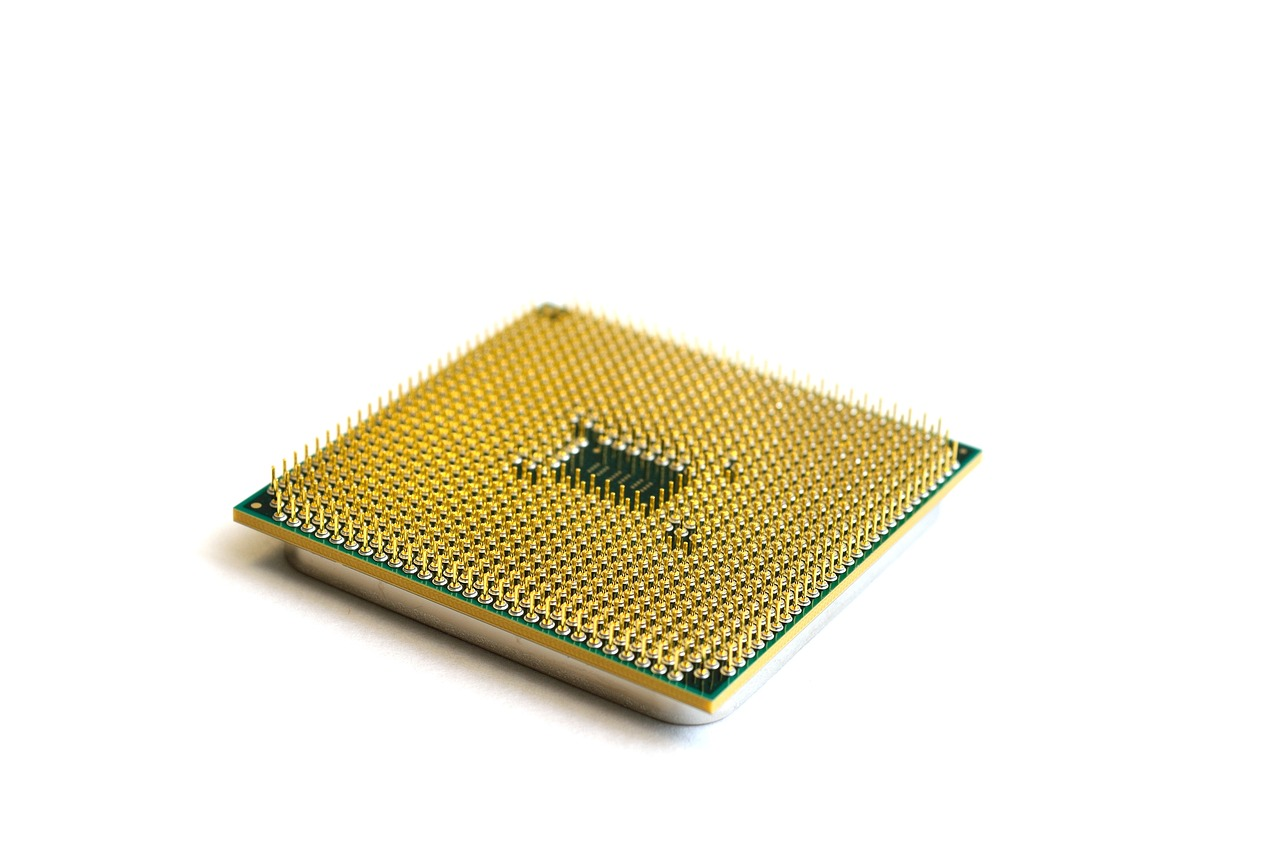
SK Hynix stock has been on a historic run, surging over 7% to reach an all-time high of 1,053,500 won in late February 2026. The Korean memory chipmaker’s shares have climbed steadily throughout the year as artificial intelligence infrastructure demand has driven unprecedented demand for high-performance memory chips.
Breaking Records Across the Board
The rally isn’t just about stock price. SK Hynix achieved something remarkable in 2025: it became South Korea’s highest-earning listed company, surpassing even Samsung Electronics. The company posted full-year revenue of 97.15 trillion won (approximately $67.9 billion), up 47% year-over-year, with operating profit of 47.21 trillion won—more than double the previous year.
Perhaps most impressively, the company’s Q4 2025 operating margin hit 58%, a figure that reflects the extraordinary profitability of its High Bandwidth Memory (HBM) business. These specialized chips, used in NVIDIA’s AI accelerators and other advanced computing systems, have become the semiconductor industry’s hottest product.
The Numbers Behind the Rally
SK Hynix stock has benefited from multiple tailwinds. Analysts have raised target prices aggressively, with SK Securities lifting its target from 1.5 million won to 1.6 million won. The KOSPI index itself has surged past 6,000 for the first time, driven largely by semiconductor stocks. With the benchmark up 44% in 2026, Korea’s stock market capitalization has even moved past France’s.
Why It Happened: The AI Memory Boom
HBM Demand Explodes
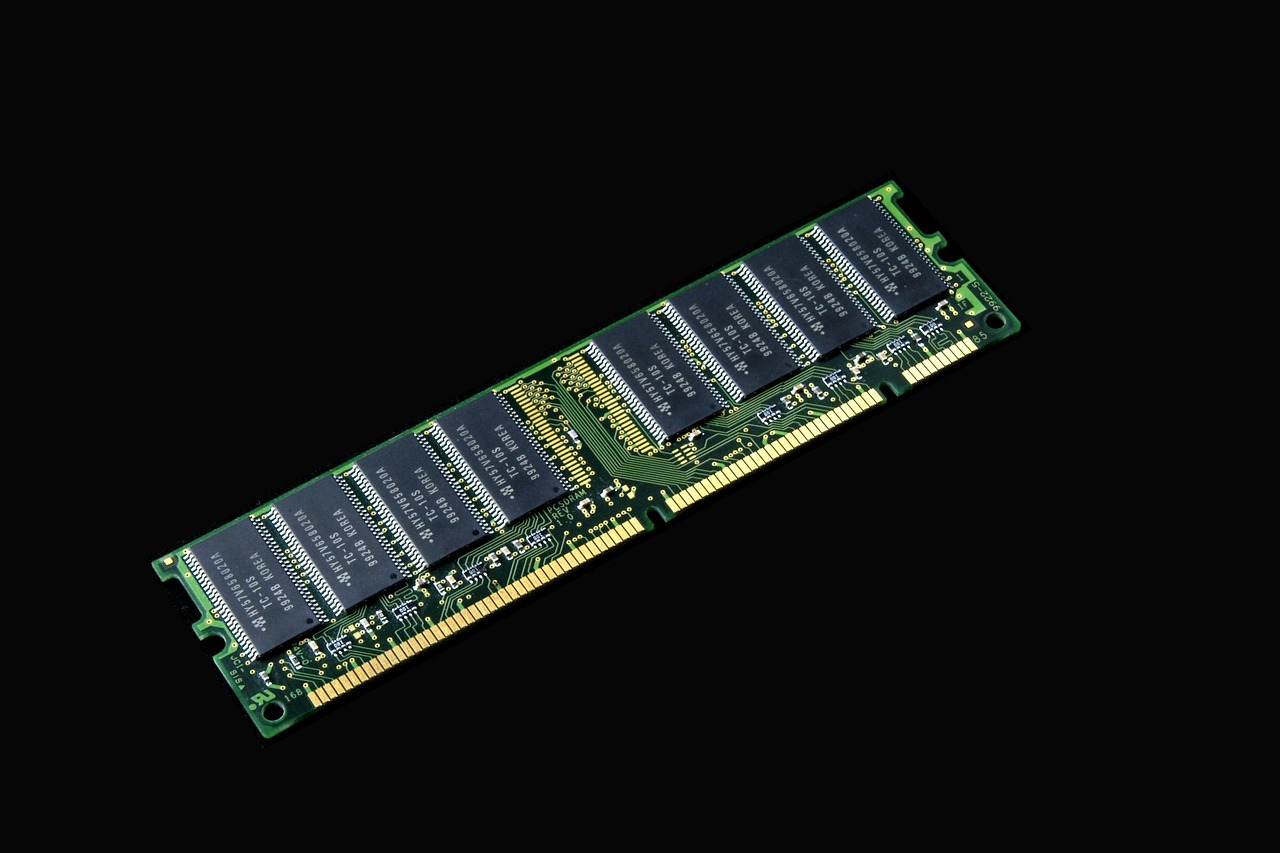
The primary catalyst behind SK Hynix stock surge is High Bandwidth Memory. HBM revenue more than doubled year-over-year in 2025, and the company has already sold out its entire 2026 HBM capacity ahead of schedule. SK Hynix has emerged as the dominant player in this market, with NVIDIA’s blowout earnings in February 2026 confirming that AI chip demand continues to exceed even optimistic forecasts.
More NVIDIA GPUs being manufactured means more HBM chips needed from suppliers like SK Hynix. The company has already begun mass production of HBM4, the next generation of high-bandwidth memory, making it the first in the industry to reach this milestone. Samsung Electronics is also competing in this space, reportedly close to becoming the exclusive supplier of HBM4 for NVIDIA’s upcoming Vera Rubin processors.
From Buyer’s to Seller’s Market
Speaking at a Goldman Sachs investor conference, SK Hynix executives delivered a blunt assessment: “The global memory industry has completely shifted to a seller’s market, with price increases expected throughout 2026.” Industry-wide DRAM and NAND inventory stands at only about four weeks’ worth, with no customer able to fully satisfy its demand.
According to technology research firm Counterpoint Research, prices for both DRAM and HBM chips hit record highs in Q1 2026, nearly doubling compared with the previous quarter. This supply tightness isn’t limited to AI chips—the concentration on high-margin HBM production has created knock-on shortages in standard DRAM used in consumer electronics, potentially raising smartphone and laptop prices.
NVIDIA’s Earnings Catalyze the Rally
NVIDIA’s recent quarterly earnings report acted as a major catalyst for SK Hynix stock. The GPU maker posted record revenue of $68.13 billion, surpassing forecasts and confirming robust AI infrastructure investment. On the day of NVIDIA’s earnings announcement, SK Hynix surged over 7% to its record high, while Samsung Electronics jumped over 5%.
What It Means: Outlook and Risks
2026 Growth Expected to Continue
SK Hynix expects demand growth for DRAM and NAND in 2026 to remain above 20% and in the high-teens percentage range, respectively. The company plans to increase capital expenditure considerably, targeting a CapEx-to-revenue ratio in the mid-30% range. Full-scale HBM4 sales are planned for 2026, and the company has announced a $10 billion investment in a U.S.-based AI solutions entity.
Analyst firm TrendForce projects total global memory chip industry revenue could surge to an all-time high of over $840 billion in 2027, as AI continues to reshape the demand landscape. For investors, SK Hynix stock represents direct exposure to one of technology’s most powerful trends.
The Chairman’s Warning
Despite the euphoria, SK Group Chairman Chey Tae-won offered a sobering counterpoint. While 2026 profit forecasts widely exceed 2025’s record—UBS projected SK Hynix’s 2026 operating profit at 61 trillion won—Chey cautioned that the AI-driven surge carries enormous two-sided risk.
Building a single AI data center in the United States requires investment of up to $50 billion, and the computing power now being demanded implies total capital expenditure potentially reaching $5 trillion. Energy, environmental, and financial constraints make it genuinely uncertain whether the industry can deliver on these targets. If AI infrastructure investment slows or demand disappoints, the same memory capacity generating record profits today could become a massive liability.
Investment Implications
The memory industry’s fortunes are now more closely tied to AI infrastructure investment than at any point in history. SK Hynix and rivals Samsung and Micron have been disciplined about not aggressively expanding production capacity despite surging prices, recognizing that the downside scenario is real enough to justify restraint.
For investors considering SK Hynix stock, the equation is clear: unprecedented near-term growth potential balanced against structural uncertainty about whether AI investment can sustain current trajectory. The company’s dominance in HBM positions it well if the boom continues, but Chairman Chey’s warning—that failure to meet targets “could result in losses of equivalent scale”—shouldn’t be ignored.
As Korea’s stock market rides the semiconductor wave to new heights, SK Hynix stock remains the purest play on the AI memory boom. Whether that’s an opportunity or a warning depends on your view of AI infrastructure’s long-term trajectory.
Stay updated on Korean tech stocks and market analysis. Subscribe to our newsletter for weekly insights delivered to your inbox.