
Samsung Electronics and SK Hynix, South Korea’s memory chip giants, both fell approximately 4% on March 13, 2026, as geopolitical tensions over the Strait of Hormuz rattled global markets. Samsung Electronics closed at 180,300 won, down 4.0%, while SK Hynix dropped 4.3% to 890,000 won. However, this daily decline masks a profound strategic transformation reshaping the global semiconductor industry.
Today’s Market Movement: Short-Term Pain
Samsung Electronics Stock Declines 4%
Samsung Electronics, the world’s largest memory chip maker by revenue, saw its stock price retreat from recent highs as investors reacted to escalating Middle East tensions. The decline comes after a remarkable rally that saw the stock trading above 190,000 won just days earlier, driven by surging demand for memory chips used in artificial intelligence systems.
SK Hynix Stock Drops 4.3%
SK Hynix, the second-largest Korean memory manufacturer, experienced a similar selloff. Despite today’s decline, the company’s stock remains near historic highs, with analysts recently raising price targets to 1.7 million won based on its dominant position in High Bandwidth Memory (HBM) products essential for AI computing.
The Strategic Shift: From Volume Wars to Margin Competition
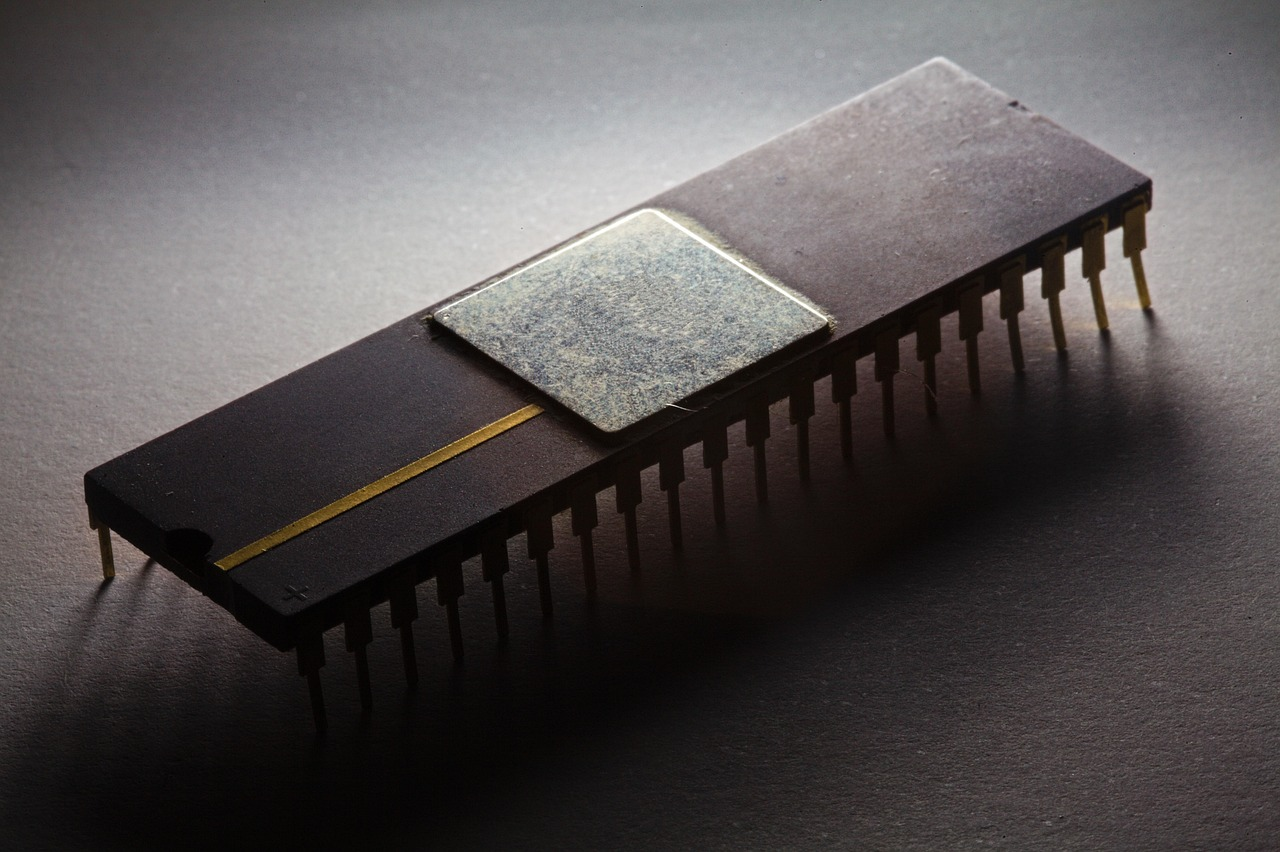
Memory Prices Surge 130-180% in Q1 2026
According to Counterpoint Research analyst Hwang Min-sung, first-quarter memory prices recorded an extraordinary 130-180% increase quarter-over-quarter, far exceeding initial forecasts of around 100%. This “chipflation” phenomenon reflects intense competition among hyperscalers building AI data centers, particularly following China’s Lunar New Year holiday in February.
The memory market’s demand structure has fundamentally transformed. Nvidia, fueled by AI chip demand, now purchases three times more memory than Apple, historically the largest customer through its iPhone business. Server DRAM and HBM now account for up to 60% of total DRAM revenue, up from less than 30% two years ago.
The New Battleground: HBM Technology
High Bandwidth Memory (HBM) has emerged as the critical differentiator between Samsung and SK Hynix, fundamentally reshaping competitive dynamics in the memory semiconductor industry. Unlike conventional DRAM chips used in personal computers and smartphones, HBM stacks multiple memory layers vertically to achieve dramatically higher bandwidth—essential for processing the massive datasets required by AI training and inference workloads.
SK Hynix captured early leadership in this strategic market segment, securing major contracts with Nvidia for the company’s flagship AI accelerators including the H100 and upcoming B200 GPUs. This first-mover advantage has translated into extraordinary profitability, with HBM products commanding price premiums of 3-5x compared to standard DRAM chips while utilizing similar manufacturing capacity.
Samsung Electronics, despite its traditional dominance in memory semiconductors, initially struggled to match SK Hynix’s HBM performance and yield rates. However, leveraging its massive production scale and R&D resources exceeding 20 trillion won annually, Samsung is targeting a profitability turnaround with next-generation HBM4 products. The company successfully shipped its first commercial HBM4 chips in February 2026, with volume production ramping through the second quarter. Samsung’s HBM4E variant, offering even higher performance, is expected to begin sampling in the second half of 2026.
The technical complexity of HBM manufacturing creates significant barriers to entry. Each HBM module requires precise alignment of 8-16 vertically stacked DRAM dies connected through thousands of microscopic through-silicon vias (TSVs). Achieving acceptable yields demands extremely advanced process control and testing capabilities that only the top-tier memory manufacturers possess. This technical moat ensures that Samsung and SK Hynix will continue dominating the HBM market for the foreseeable future, with third-place Micron Technology lagging significantly in both technology and production capacity.
“Market share competition is old news,” Hwang explained at a recent industry webinar. “SK Hynix, leading with HBM, currently appears to hold a somewhat advantageous position in cost competitiveness. As Samsung Electronics aims for a profitability turnaround targeting the next-generation HBM4 market, the two companies’ battle for the top margin position is this year’s key point to watch.”
Physical Limitations Create Supply Bottleneck
The semiconductor industry faces unprecedented constraints. As chip miniaturization slows and Moore’s Law effectiveness diminishes, the three major memory makers’ average productivity growth has fallen below 10% annually. Increasing global DRAM production capacity by just 10% requires approximately 200,000 additional wafers—demanding roughly 70,000 pyeong of cleanroom space and 150 trillion won in capital investment.
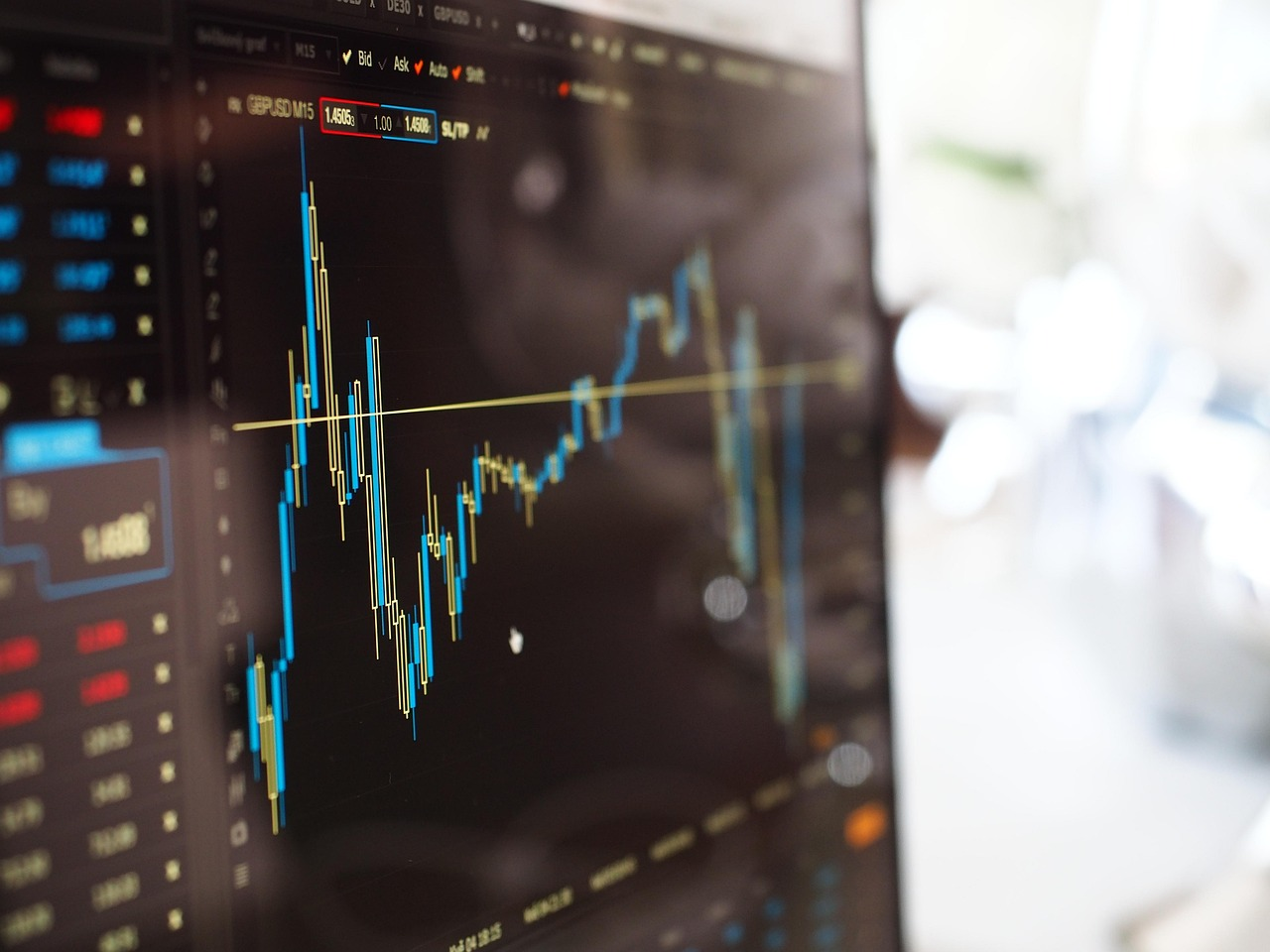
What This Means for Investors
Supply Shortage Expected Until Late 2027
Industry experts forecast that meaningful new supply will reach the market only around the second half of 2027, when Samsung Electronics’ Pyeongtaek Plant 4 (P4) and SK Hynix’s Cheongju M15X facilities begin full-scale operations with stabilized yields. Even with Samsung and SK Hynix each executing capital expenditures of 80-90 trillion won in 2026, this barely meets current market demand, let alone future AI infrastructure growth.
Long-Term Outlook Remains Bullish
Despite today’s stock price decline, the fundamental thesis for Korean memory chip stocks remains intact and arguably stronger than ever. The structural supply shortage, combined with accelerating AI adoption across industries from autonomous vehicles to drug discovery, positions both companies for sustained profitability improvements extending well into 2027 and beyond.
Consider the magnitude of capital deployment driving memory demand. Microsoft, Google, Amazon, and Meta collectively announced AI infrastructure investments exceeding $300 billion for 2026 alone. Each advanced AI data center requires thousands of high-performance GPUs, and each GPU demands multiple HBM modules. A single Nvidia H200 GPU, for example, incorporates 141 GB of HBM3E memory—representing hundreds of dollars in component cost at current pricing levels.
Memory components now account for more than half of smartphone production costs, reflecting the pricing power that Samsung and SK Hynix currently enjoy. This unprecedented margin environment is expected to persist through at least 2027, as new production capacity cannot materialize quickly enough to meet demand growth. Industry data shows that global DRAM bit demand is growing at approximately 18% annually, driven primarily by AI server deployments, while supply growth struggles to maintain even 10% expansion rates given physical and capital constraints.
For smaller manufacturers lacking the capital resources and technological capabilities of Samsung and SK Hynix, rising memory costs threaten profitability and potentially their long-term viability. Industry consolidation accelerated in 2025, with several Chinese memory makers forced to exit the market after failing to achieve competitive yields on advanced process nodes. But industry leaders like Samsung Electronics, with their vertical integration spanning from equipment development to finished devices, are expected to emerge stronger, further consolidating market share during this supply-constrained period.
Analysts tracking Samsung and SK Hynix stocks have responded to these dynamics by significantly raising price targets. KB Securities recently lifted its SK Hynix target to 1.7 million won, implying 80% upside from today’s closing price, while Samsung Electronics targets have been revised upward by 20-30% across major brokerages. The consensus view sees both stocks continuing their multi-year outperformance as memory semiconductor profitability reaches levels not witnessed since the previous supercycle of 2017-2018—but this time with greater sustainability due to structural rather than cyclical demand drivers.
The Margin War Intensifies
The competition between Samsung and SK Hynix has evolved from a race for production volume to a sophisticated battle over profit margins driven by high-value products. SK Hynix’s early HBM leadership gives it an advantage now, but Samsung’s massive R&D investments and manufacturing scale position it as a formidable challenger in the HBM4 generation launching later this year.
Conclusion: Don’t Confuse Daily Volatility with Long-Term Trends
Today’s 4% decline in Samsung and SK Hynix stocks reflects short-term geopolitical concerns, not fundamental weakness in their business models or market position. The memory semiconductor industry is experiencing its most profitable era in history, driven by insatiable AI demand and structural supply constraints that won’t ease for at least 18 months.
Investors focused on Korean technology stocks should view this pullback as noise within a powerful multi-year trend. The real story is the strategic transformation from commodity volume competition to high-margin, high-technology products that will define semiconductor leadership for the next decade.
Stay informed about Korean tech and investment trends by subscribing to our free newsletter. Get weekly insights on Samsung, SK Hynix, and other leading Korean companies shaping the global technology landscape.
Sources: Seoul Economic Daily, Counterpoint Research, Korea Exchange