
Wanna One Returns: The Legendary K-pop Project Group Reunites After Seven Years for “Wanna One Go” Reality Show
Seven years after their emotional farewell, the eleven members of Wanna One—one of K-pop’s most iconic project groups—are officially reuniting. On January 2, 2026, Mnet announced that the “Produce 101 Season 2” phenomenon would return with a brand-new reality variety show titled “Wanna One Go”, set to premiere in the first half of 2026.
For Wannables (the group’s devoted fanbase) who have waited years for this moment, the announcement felt like a collective exhale. The reunion marks not just a nostalgic trip down memory lane, but a significant cultural milestone in the evolution of K-pop’s third generation.
The Wanna One Phenomenon: A Brief History
To understand why this reunion matters so much, you need to understand the lightning-in-a-bottle magic that was Wanna One’s original run.
From “Produce 101” to National Icons
In 2017, Mnet’s survival competition show “Produce 101 Season 2” captivated South Korea as 101 trainees from various entertainment agencies competed for a spot in an 11-member project group. Through a combination of national voting and televised performances, eleven finalists emerged:
– Kang Daniel (Center)
– Park Ji-hoon
– Lee Dae-hwi
– Kim Jae-hwan
– Ong Seong-wu
– Park Woo-jin
– Lai Kuan-lin
– Yoon Ji-sung (Leader)
– Hwang Min-hyun
– Bae Jin-young
– Ha Sung-woon
Debuting on August 7, 2017, with the mini-album “1×1=1 (To Be One)” and title track “Energetic”, Wanna One immediately dominated Korean music charts. Their success wasn’t gradual—it was explosive and absolute.
Chart-Topping Dominance
During their 18-month contract period (August 2017 – December 2018), Wanna One achieved:
– Four consecutive #1 albums on Korean charts
– Over 4 million album sales (a massive achievement for the era)
– Historic chart runs with songs like “Energetic,” “Burn It Up,” and the emotional ballad “Spring Breeze”
– Multiple Daesang (Grand Prize) awards at major Korean music award shows
– Sold-out arena tours across Asia
But beyond the numbers, Wanna One represented something deeper: the power of fan-driven success in an industry increasingly dominated by major agencies. Each member came from different backgrounds—some from Big 3 agencies, others from small companies few had heard of. Yet together, they became one of the biggest acts in K-pop.
The Emotional Farewell and What Came After
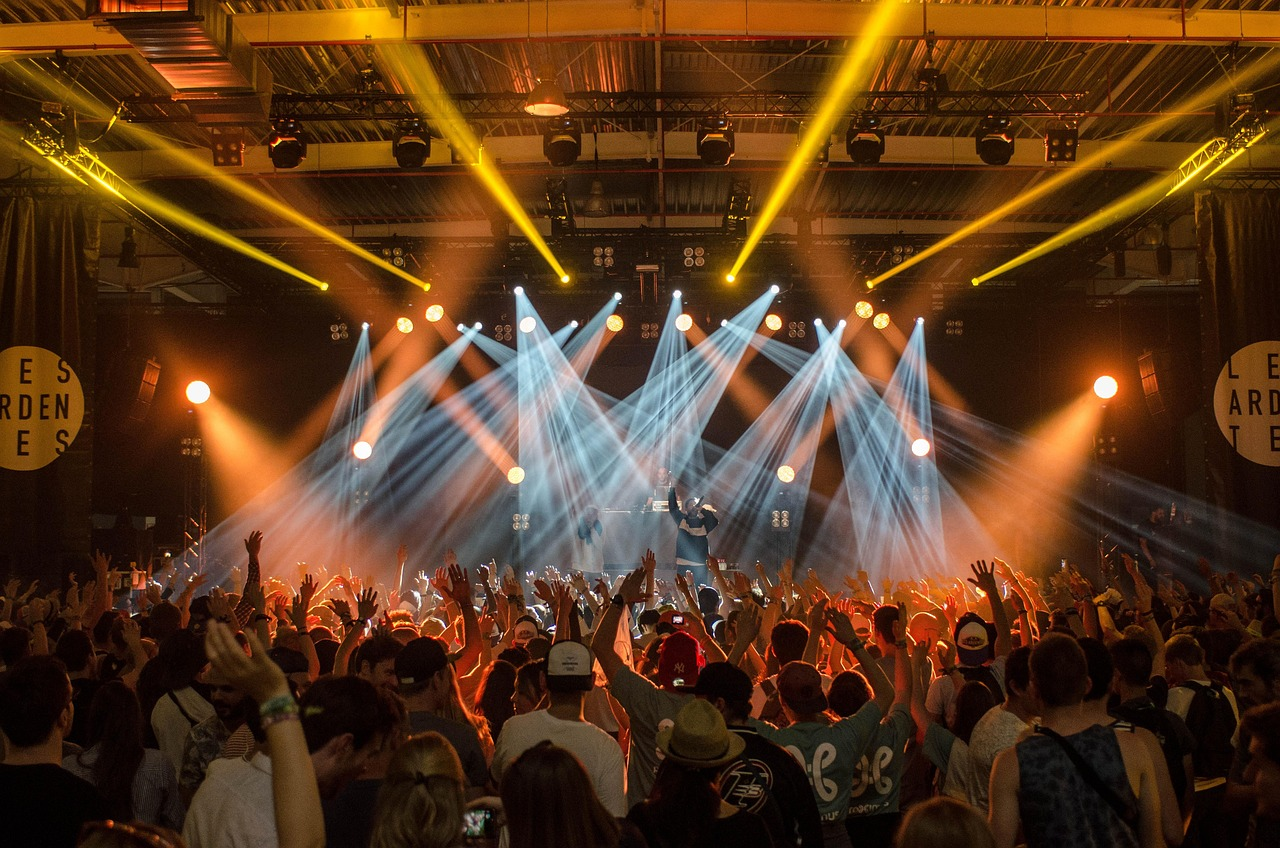
On January 27, 2019, Wanna One held their final concert “Therefore” at Seoul’s Gocheok Sky Dome. The event was broadcast live across cinemas in multiple countries, with fans sobbing as the members performed “Spring Breeze” one last time and promised to reunite someday.
The years that followed saw each member pursue solo careers and return to their original agencies:
– Kang Daniel launched a massively successful solo career, becoming one of K-pop’s top soloists
– Ong Seong-wu transitioned into acting, starring in hit K-dramas
– Hwang Min-hyun returned to NU’EST, which experienced renewed popularity
– Kim Jae-hwan and Ha Sung-woon established themselves as respected solo vocalists
– Park Ji-hoon, Lee Dae-hwi (AB6IX), and others continued in music with new groups
While all members found success in their respective paths, Wannables never stopped hoping for a reunion. The hashtag #WannaOneReunion trended multiple times on Korean and international social media, demonstrating sustained fan interest years after the group’s disbandment.
“Wanna One Go”: What We Know So Far
The announcement of the reunion reality show has sparked immediate excitement, but details remain carefully guarded. Here’s what Mnet has confirmed:
Format and Concept
Unlike a traditional comeback with new music, “Wanna One Go” will be a reality variety program where the eleven members reunite to spend time together, reminisce about their journey, and give fans a glimpse into their current lives. The show’s title is a playful callback to their previous reality series that aired during their active period.
Industry insiders suggest the show will feature:
– Behind-the-scenes footage from the members’ individual careers
– Group activities and challenges reminiscent of their original variety content
– Heartfelt conversations about their time as Wanna One and their growth since disbandment
– Potential special performances (though no official confirmation yet)
Broadcast Timeline
Mnet has confirmed a first-half 2026 premiere, which likely means between February and June. Given typical K-variety production timelines, filming is expected to be underway or completed by the time you’re reading this.
Member Participation
Crucially, all eleven members are confirmed to participate, which itself is a remarkable achievement. Coordinating schedules for eleven busy entertainers across different agencies requires significant logistical effort and mutual commitment. That all members agreed speaks to the bond they still share.
Why This Reunion Matters Beyond Nostalgia
The “Produce” Legacy
Wanna One’s reunion arrives at an interesting moment for K-pop history. The “Produce” series that created them was later embroiled in voting manipulation scandals, leading to its cancellation. The groups that emerged from that franchise—Wanna One, IZ*ONE, X1—have complex legacies.
Yet Wanna One’s achievements remain undisputed. Their success proved that project groups could compete with—and in many cases surpass—permanently established idol groups. They demonstrated that fan investment in an artist’s journey could translate into commercial dominance.
Third-Generation Renaissance
2026 is shaping up to be “the year of third-generation comebacks,” with BTS, BLACKPINK, and EXO all scheduled for major returns. Wanna One’s reunion fits perfectly into this narrative—a generation of artists who defined 2015-2020 K-pop reclaiming the spotlight.
For fans who grew up with these groups, the simultaneous returns feel like a homecoming. For younger fans who only know these artists through legend and legacy, it’s an opportunity to experience the magic firsthand.
The Power of Fan Loyalty
Perhaps most significantly, this reunion demonstrates the enduring power of genuine fan-artist connections. Wanna One wasn’t manufactured in a traditional sense—fans literally voted them into existence. That participatory origin story created a bond that survived years of separation.
In an era where K-pop agencies increasingly control every aspect of idol careers, Wanna One’s story remains proof that fan will can shape the industry.
What Fans Are Saying
Social media exploded when the reunion announcement dropped. On Twitter/X, the hashtags #WannaOneReunion and #WannaOneGo trended globally within hours. Weverse and DC Inside (Korean fan communities) crashed temporarily from traffic surges.
International fans expressed excitement mixed with bittersweet emotion:
“I genuinely thought I’d never see all eleven together again. I’m not ready for the tears this will bring.”
Korean fans reminisced about Wanna One’s original impact:
“2017-2018 was THE era. Wanna One everywhere you looked. Finally we’re getting that feeling back.”
Industry observers noted the strategic timing:
“With BTS and BLACKPINK dominating 2026 headlines, Wanna One’s reunion is brilliant counter-programming. Third-gen fans are eating well this year.”
The Music Question: Will There Be New Songs?
This is the million-dollar question Mnet hasn’t definitively answered. The official announcement described “Wanna One Go” as a variety show, not a musical comeback. However, industry analysts note that:
1. Previous “Produce” reunion specials have included performance segments
2. Fan demand for new music is overwhelming and economically viable
3. Mnet’s investment in bringing eleven busy artists together suggests potential for music content beyond just variety
The most likely scenario: the reality show will document the members reuniting, with potential special performances of their classic hits. If fan response is strong enough, a limited single or digital release could follow.
Even if no new music materializes, hearing all eleven voices harmonize on “Energetic” or “Beautiful” again would be enough to satisfy millions of Wannables worldwide.
The Business of Nostalgia in K-pop
Wanna One’s reunion also represents an emerging trend in the Korean entertainment industry: legacy group revivals. With K-pop’s global audience now spanning multiple generations, agencies recognize that nostalgia isn’t just emotionally valuable—it’s financially lucrative.
First and second-generation groups like TVXQ, Super Junior, and 2NE1 have demonstrated sustained commercial viability decades after debut. Third-generation groups are now entering their own “legacy phase,” where reunion projects can generate significant revenue without requiring the grueling schedules of active promotions.
For Wanna One specifically, the financial potential is enormous:
– Streaming revenue from classic hits experiencing renewed interest
– Merchandise sales tied to the reunion content
– Potential concert tours if the variety show succeeds
– Increased visibility for members’ individual projects
Looking Ahead: What Comes After “Wanna One Go”?
The reality show’s success will likely determine whether this reunion is a one-time event or the beginning of periodic Wanna One projects. Given the members’ busy individual careers, a permanent reformation is unrealistic. But annual or bi-annual reunion content (similar to variety specials or single releases) could become a sustainable model.
Some industry insiders speculate that strong performance could lead to:
– A limited concert tour in major Asian markets
– Anniversary celebrations marking key milestones (10th anniversary in 2027)
– Occasional digital single releases for special occasions
The key will be balancing nostalgia with respect for the members’ current careers and artistic growth. Wanna One was a perfect moment in time—attempting to fully recreate it could diminish its magic. But periodic reunions that honor the past while acknowledging the present? That could work beautifully.
Conclusion: Welcome Home, Wanna One
As we await the premiere of “Wanna One Go,” the overwhelming sentiment among fans is gratitude. Gratitude that all eleven members prioritized this reunion despite busy schedules. Gratitude to Mnet for facilitating it. Gratitude for the opportunity to experience, even briefly, the magic that made Wanna One one of K-pop’s defining phenomena.
For those who were there in 2017-2018, this reunion is a chance to revisit a formative period in their K-pop journey. For newer fans, it’s an opportunity to understand why this group—despite existing for only 18 months—left such an indelible mark on the industry.
Seven years is a long time in K-pop, where trends change weekly and new groups debut monthly. That Wanna One remains relevant and anticipated speaks to the timelessness of their appeal. They weren’t just another idol group—they were eleven individuals whose chemistry, talent, and fan-connection created something extraordinary.
Welcome home, Wanna One. Your Wannables have been waiting.