
THAAD Missile System Redeployment Raises Questions
In a significant development affecting Korea current events this week, the United States has begun relocating portions of its Terminal High Altitude Area Defense (THAAD) missile system from South Korea to the Middle East. The move, reported by US officials on March 11, 2026, has triggered intense debate about Washington’s security commitment to its East Asian ally and raised fundamental questions about the future of regional defense architecture.
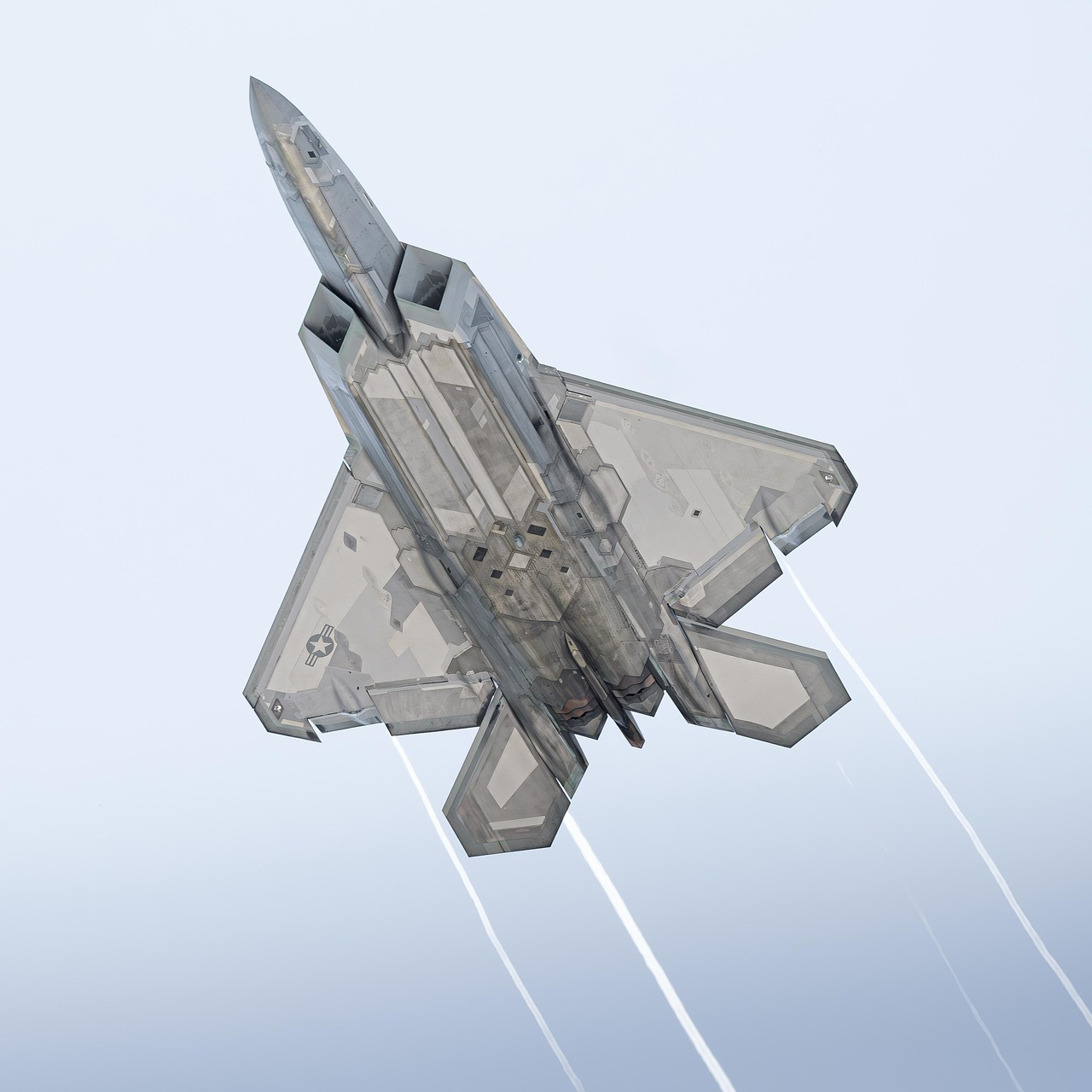
The THAAD system was originally deployed to the rural village of Seongju in 2017 amid local protests and fierce opposition from China and Russia. For nearly a decade, it served as a cornerstone of South Korea’s defense against potential North Korean ballistic missile attacks, representing America’s most visible commitment to protecting its ally from Pyongyang’s growing missile capabilities. The deployment transformed the quiet agricultural community overnight into a strategic military installation, forever changing the lives of local residents who initially feared becoming targets themselves.
Now, as the US redirects military assets to support operations against Iran, questions emerge about the future of the Korean Peninsula’s security architecture. The timing couldn’t be more sensitive, with North Korea having recently tested strategic cruise missiles from a new destroyer, demonstrating Pyongyang’s continued investment in weapons development despite international sanctions and diplomatic isolation.
Presidential Response and Defense Capabilities
South Korea’s liberal President Lee Jae Myung moved quickly to reassure the public following reports of the redeployment. During a cabinet meeting convened specifically to address security concerns, he emphasized that Seoul’s defense capabilities remain robust even without certain US assets positioned on Korean soil.
“If asked whether that would seriously hinder our deterrence strategy against North Korea, I can say with certainty that it would not,” President Lee stated confidently, pointing to South Korea’s substantial defense budget that exceeds 1.4 times North Korea’s entire gross domestic product. This massive investment in military capabilities reflects decades of modernization efforts that have transformed South Korea from a dependent ally into a sophisticated military power in its own right.
Additional Military Asset Movements
Beyond THAAD, South Korea’s Foreign Minister Cho Hyun confirmed ongoing discussions about potentially redeploying US Patriot missile defense systems to the Middle East theater of operations. Unconfirmed reports from South Korean intelligence sources suggest these batteries may be stationed at US bases in Saudi Arabia and the United Arab Emirates, countries that have become increasingly important to American strategic interests in the Gulf region.
United States Forces Korea declined to comment on specific movements, citing operational security concerns. However, the silence from USFK headquarters has done little to calm public anxieties about America’s long-term commitment to maintaining robust defensive capabilities on the peninsula. Military families and defense contractors alike are watching developments closely, recognizing that equipment redeployments often signal broader strategic shifts.
Regional Security Implications
Military analysts warn that North Korea could interpret the weapons relocation as an opportunity for low-level provocations designed to test the resolve of the US-South Korea alliance. “There is a risk that North Korea could miscalculate the relocation of some of these weapons as a pretext to test the allies’ defense posture,” explained Choi Gi-il, a military studies professor at Sangji University who specializes in North Korean military doctrine and strategic behavior.
Historical precedent suggests that Pyongyang closely monitors any perceived weakness in the alliance structure, using artillery provocations, naval incursions, or cyber attacks to probe for vulnerabilities. The 2010 shelling of Yeonpyeong Island and the 2015 landmine incident both occurred during periods when North Korean leadership believed they could act with limited consequences.
Broader Context: Economic and Social Pressures
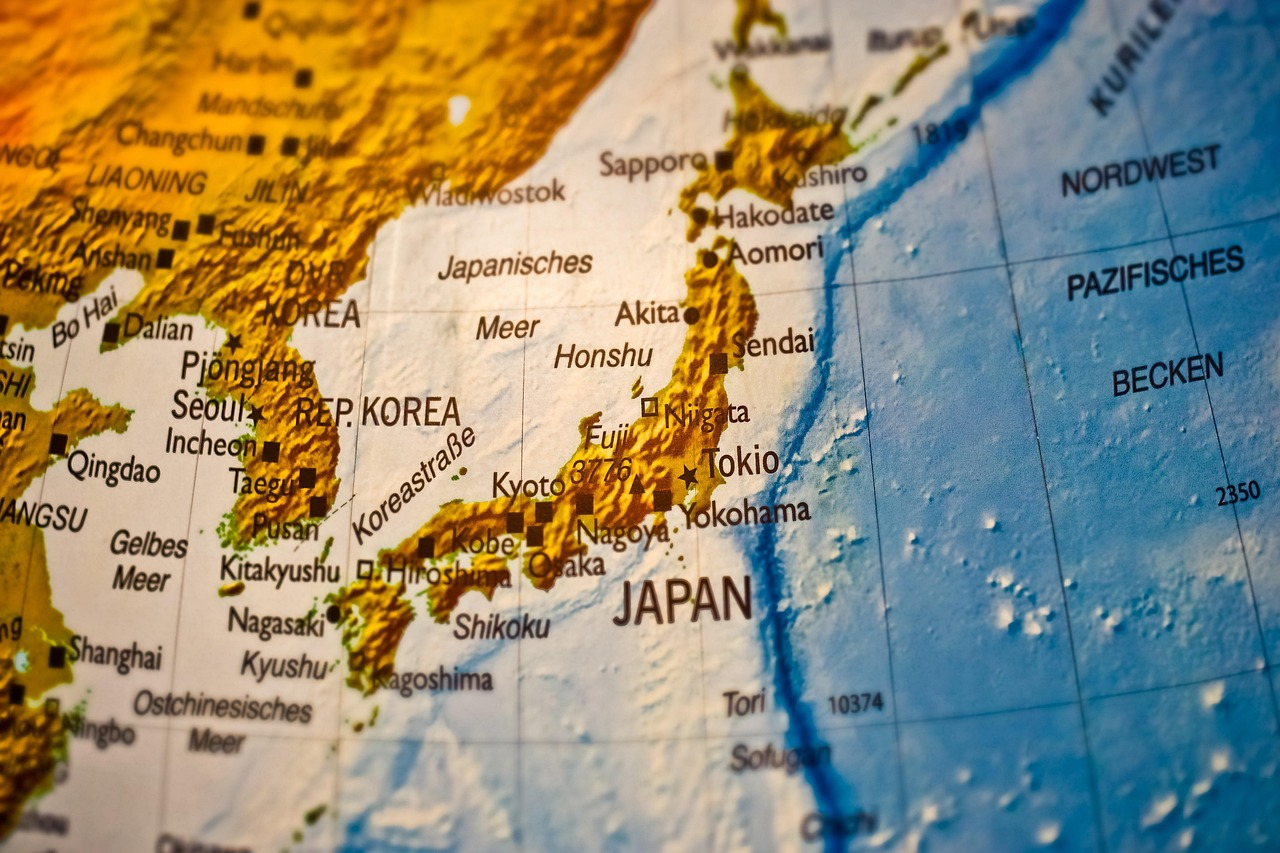
The missile redeployment occurs against a backdrop of other Korean social and economic challenges that are testing government resilience and policy creativity. Earlier this month, Seoul announced fuel price caps designed to shield the economy from severe energy shocks resulting from the Middle East conflict. Energy security has emerged as a critical vulnerability for South Korea, which imports virtually all of its oil and natural gas from potentially unstable regions.
Meanwhile, human rights organizations have highlighted growing concerns about elderly workers facing precarious employment conditions in South Korea’s rapidly aging society. With the highest elderly poverty rate among developed nations, the country faces difficult choices about social welfare spending that compete directly with defense budget requirements. This tension between welfare and security spending will only intensify as demographic pressures mount over the coming decades.
Japan Faces Similar Concerns
Japan, which hosts approximately 50,000 US troops across numerous installations including the massive complex on Okinawa, is experiencing parallel anxieties about American strategic priorities. Two US guided-missile destroyers based in Yokosuka have been deployed to the Arabian Sea, prompting sharp questions from opposition leader Junya Ogawa about whether Japan authorized US forces to launch Middle East combat operations from Japanese territory.
“Japan has not permitted the stationing of US forces so they can sortie from those bases to fire missiles towards the Middle East,” Ogawa told members of parliament in pointed remarks that revealed growing frustration with America’s unilateral decision-making on security matters affecting Japanese sovereignty. The constitutional and political sensitivities surrounding Japan’s military cooperation with the United States remain profound despite decades of alliance management.
Looking Ahead: Defense Independence
Conservative South Korean media outlets like the JoongAng Daily have called for accelerated development of indigenous defense capabilities that would reduce reliance on American weapons systems and security guarantees. The newspaper urged the government to “ensure that any redeployed assets return promptly once their missions end, minimising potential gaps in deterrence against North Korea,” while simultaneously advocating for faster development of domestically produced missile defense technologies.
South Korea’s defense industry has made remarkable strides in recent years, with companies like Hanwha Aerospace and Korea Aerospace Industries developing sophisticated weapons platforms that compete globally. The country has become a major arms exporter, selling tanks to Poland, fighter aircraft to Southeast Asian nations, and artillery systems to countries across multiple continents. This industrial base provides a foundation for greater military autonomy if political leaders choose to pursue that path.
As Korea current events unfold, the THAAD redeployment represents more than a simple military logistics decision. It symbolizes the complex balancing act South Korea must perform between maintaining its alliance with Washington while developing autonomous security capabilities in an increasingly uncertain regional environment where great power competition intensifies daily.
What This Means for Korean Security Policy
The coming months will test South Korea’s defense readiness and diplomatic agility in unprecedented ways. With North Korea’s nuclear program remaining a persistent existential threat and the US potentially distracted by protracted Middle Eastern conflicts, Seoul may need to rely more heavily on its own military modernization efforts and regional security partnerships with nations sharing similar concerns about Chinese assertiveness and North Korean provocations.
Trilateral security cooperation between South Korea, Japan, and the United States has strengthened considerably over the past several years, driven by shared threat perceptions and Washington’s encouragement. The recent Camp David summit formalized intelligence-sharing arrangements and established regular consultation mechanisms that enhance collective response capabilities. However, historical tensions between Seoul and Tokyo continue to complicate deeper integration, requiring constant diplomatic management.
Public Opinion and Political Dynamics
South Korean public opinion on these security issues remains divided along predictable political lines. Conservative voters generally favor stronger military ties with the United States and more aggressive defense postures toward North Korea, while progressive voters prefer diplomatic engagement with Pyongyang and express greater skepticism about American intentions. President Lee’s liberal government must navigate these divisions carefully while maintaining national unity on fundamental security questions.
For those following Korean news and current events, this development underscores the peninsula’s strategic vulnerability and the ongoing evolution of US-Korea defense relations in 2026. The situation demands close attention from policymakers, business leaders, and citizens who recognize that security decisions made today will shape the region’s stability for generations to come.
Stay informed about Korea current events and regional developments. Subscribe to our newsletter for weekly updates on Korean politics, security, cultural trends, and economic analysis delivered directly to your inbox every Wednesday morning.