
Why Korean Tourism is Transforming in 2026
Korean tourism is experiencing a remarkable shift as travelers seek deeper cultural connections beyond the bustling streets of Seoul. The year 2026 marks a new era where authentic experiences and regional exploration define the modern Korea travel experience. From ancient temples nestled in mountain valleys to preserved traditional villages, Korea’s cultural heritage offers travelers an unforgettable journey through time.
The rise of “emotional travel” and sustainable tourism practices has encouraged visitors to explore Korea’s hidden gems. These destinations provide intimate glimpses into centuries-old traditions while supporting local communities and preserving cultural authenticity.
Beyond Seoul: Regional Cultural Hubs
While Seoul remains a vibrant gateway, the heart of Korean tourism beats strongest in regional cities like Gyeongju, Andong, and Busan. These areas offer UNESCO World Heritage Sites, traditional architecture, and local experiences that showcase Korea’s rich historical tapestry. Regional Korean tourism allows travelers to escape crowded tourist zones and discover the soul of Korean culture.
Sustainable and Authentic Travel Experiences
Modern Korean tourism emphasizes “local re-creation” – exploring everyday markets, historical districts, and cultural practices that thrive away from commercialized areas. This approach aligns with global sustainable travel trends while offering visitors genuine connections with Korean heritage and contemporary life.
Must-Visit Korean Cultural Heritage Sites
Gyeongju: The Museum Without Walls
Often called Korea’s open-air museum, Gyeongju served as the capital of the ancient Silla Kingdom for nearly 1,000 years. The city contains an extraordinary concentration of archaeological treasures, including royal burial mounds at Tumuli Park, ancient observatories, and palaces. Every corner of Gyeongju tells stories of Korea’s golden age of Buddhism and artistic achievement.
Bulguksa Temple and Seokguram Grotto
This UNESCO World Heritage Site represents the pinnacle of Silla Buddhist art and architecture. Bulguksa Temple, built during King Beopheung’s reign (514-540), features stunning stone pagodas, bronze Buddha statues, and colorful lantern displays that illuminate Korea’s spiritual heritage. The nearby Seokguram Grotto houses a magnificent granite Buddha overlooking the East Sea – a masterpiece of 8th-century sculpture.
Visitors to Bulguksa can witness traditional prayer stone stacks, explore the Daeungjeon Hall with its golden Sakyamuni Buddha, and enjoy seasonal displays including persimmon trees in autumn. The temple complex demonstrates how Korean tourism preserves sacred spaces while welcoming modern travelers.
Andong Hahoe Village: Living History
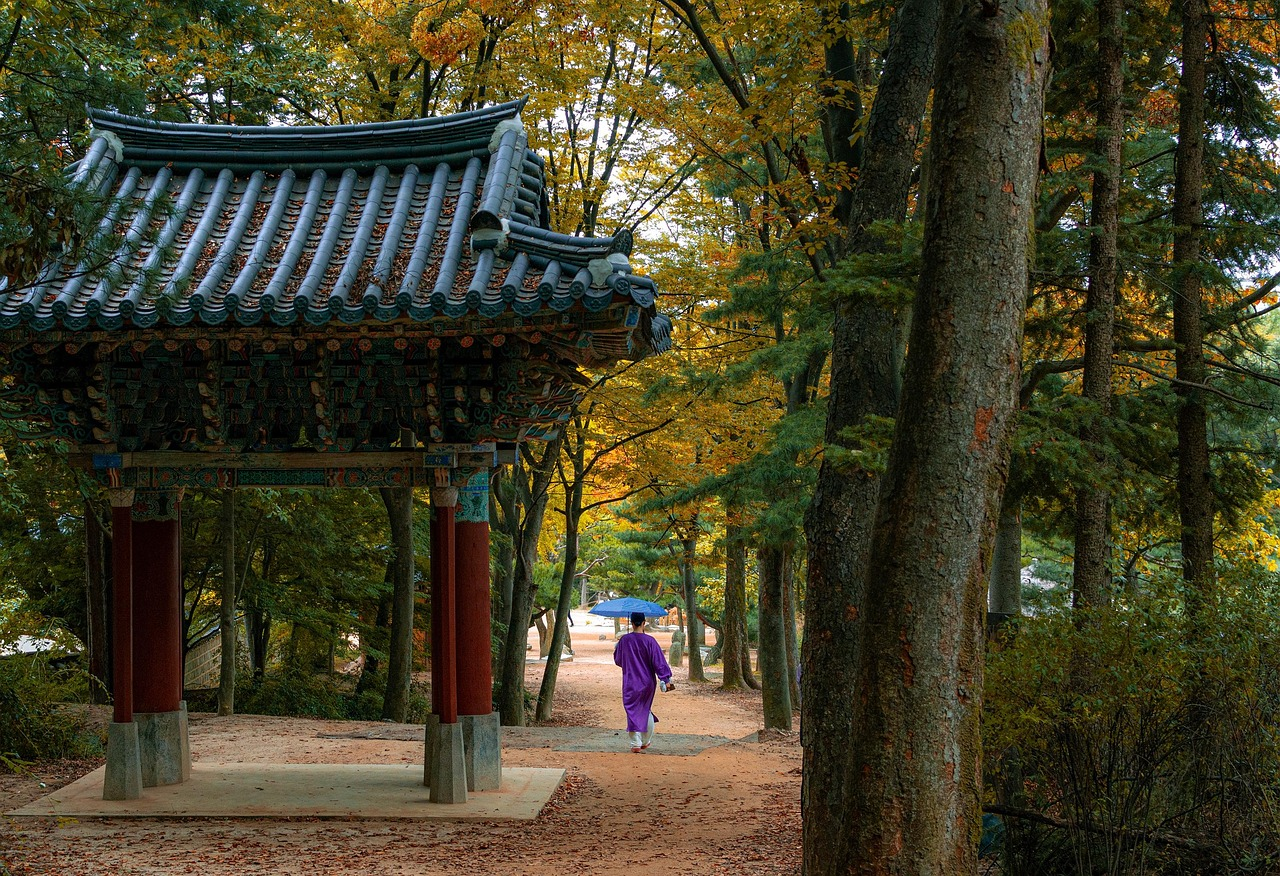
Hahoe Village preserves traditional hanok houses and Confucian culture within a UNESCO-listed setting. The village is renowned for its 1,000-year-old Hahoe Mask Dance Drama, where performers use wooden masks to tell folk stories. Walking through Hahoe’s winding paths offers an authentic window into yangban (aristocratic) life during Korea’s Joseon Dynasty.
DMZ Tours: Understanding Korean History
Guided DMZ tours provide sobering insights into the Korean Peninsula’s complex modern history. Visitors explore the Third Infiltration Tunnel, observe North Korea from Dora Observatory, and learn about the ongoing division. These tours add crucial historical context to any Korean tourism itinerary, connecting past conflicts with present-day realities.
Planning Your Korean Tourism Adventure
Best Time to Visit Korea’s Cultural Sites
Spring (April-May) and autumn (September-November) offer ideal conditions for exploring Korean cultural heritage sites. These seasons feature comfortable temperatures, vibrant cherry blossoms or autumn foliage, and fewer crowds than peak summer months. Many temples and traditional sites host seasonal festivals that enhance the Korea travel experience.
Getting Around Regional Korea
Korea’s efficient transportation network makes regional tourism remarkably accessible. The KTX high-speed train connects Seoul to Gyeongju in just over two hours, while intercity buses serve smaller destinations like Andong. Many cultural sites operate English-language guided tours, and mobile apps provide real-time translation and navigation assistance.
Enhancing Your Cultural Journey
Consider staying in traditional hanok guesthouses, participating in temple stay programs, or taking cooking classes that explore regional cuisine. These immersive experiences deepen your connection to Korean culture while supporting local tourism initiatives. Don’t miss exploring traditional markets where vendors sell everything from handmade crafts to regional specialties.
For more insider tips on exploring Korea’s hidden cultural treasures and planning your perfect itinerary, subscribe to our Korea travel newsletter. We share weekly updates on cultural events, seasonal travel guides, and exclusive insights into authentic Korean experiences that go beyond typical tourist attractions.