
Market Overview: Steep Decline on Oil Shock Concerns
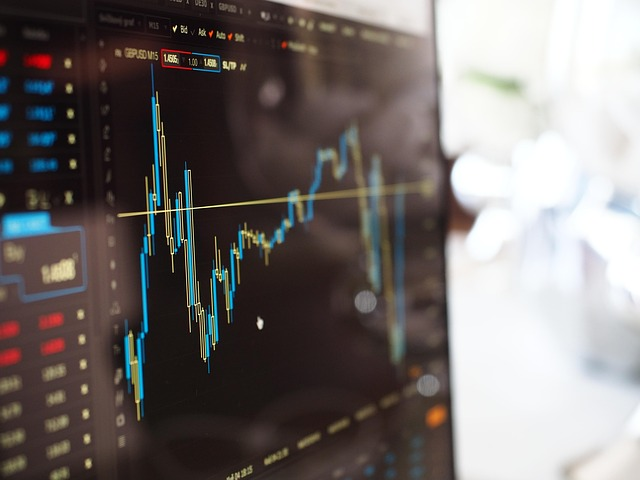
The Korean stock market experienced significant turbulence on Monday, March 9th, 2026, as mounting concerns over a potential oil shock sent investors fleeing to safety. The benchmark KOSPI plunged 6 percent to close at 5,251.87, while the tech-heavy KOSDAQ dropped 4.5 percent to 1,102.28. The decline marks one of the steepest single-day losses in recent months, with the KOSPI briefly dipping below the psychologically important 5,100 level during intraday trading.
The sell-off was driven primarily by escalating tensions in the Middle East, where disruption fears have sent oil prices soaring more than 50 percent since the beginning of 2026. Crude oil prices, which started the year around $60 per barrel, are now threatening to breach the $100 mark within days, according to Goldman Sachs analysts. This dramatic surge has triggered inflation concerns and simultaneous growth downgrades across global markets, creating a challenging environment for equity investors worldwide.
Market analysts note that the speed and magnitude of the decline caught many investors off guard. The Korean market had been showing resilience in early 2026, with the KOSPI trading near its recent highs above 5,600 in late February. However, the rapid escalation of geopolitical tensions and their impact on global energy markets has fundamentally altered the investment landscape in a matter of weeks.
Technology Sector Bears the Brunt of Selling Pressure
The technology and semiconductor sector, which has been a primary driver of Korean stock market gains in recent years, suffered the heaviest losses during Monday’s trading session. Samsung Electronics, South Korea’s largest company by market capitalization, tumbled 9.1 percent, while SK Hynix fell 9.5 percent. These two chip giants account for a significant portion of the KOSPI’s total market value, and their decline amplified the broader market downturn.
The semiconductor industry faces unique challenges in the current environment. Higher energy costs directly impact manufacturing operations, as chip fabrication plants are among the most energy-intensive industrial facilities in existence. Additionally, concerns about a potential global economic slowdown triggered by high oil prices have raised questions about future demand for semiconductors across various end markets, including smartphones, personal computers, data centers, and automotive applications.
Industry experts point out that the Korean semiconductor sector had been enjoying strong momentum through 2025 and into early 2026, driven by robust demand for artificial intelligence chips and memory products. However, the current macro uncertainty has prompted investors to reassess their optimistic growth projections, leading to profit-taking and position reductions across the sector.
Auto and Energy Sectors Also Hit Hard
Beyond semiconductors, the automotive and energy sectors also posted substantial losses during Monday’s trading session. Hyundai Motor dropped 9.8 percent as investors worried about the impact of rising oil prices on consumer demand for vehicles. Historically, sharp increases in fuel costs have led to reduced automobile sales, particularly for larger vehicles and those with lower fuel efficiency. This dynamic poses a significant risk to automakers’ near-term profitability and market share.
HD Hyundai Energy declined 7 percent, reflecting concerns about the impact of volatile energy markets on the company’s operations and project economics. Hanwha Aerospace fell 3 percent, with defense contractors facing their own set of challenges related to supply chain costs and component pricing in an environment of elevated energy prices.
The broad-based nature of the sell-off indicates deep concerns about macroeconomic conditions rather than company-specific issues. When investors lose confidence in the overall economic outlook, they typically reduce exposure across multiple sectors simultaneously, as was clearly evident in Monday’s trading pattern. This type of risk-off sentiment can persist for extended periods, particularly when the underlying catalyst—in this case, geopolitical tensions and energy market disruption—remains unresolved.
Trading Volume and Market Dynamics
Trading volume on the Korea Exchange surged significantly during Monday’s session as investors rushed to reduce their equity exposure. The heightened activity reflected widespread risk aversion, with institutional and retail investors alike seeking to lock in profits or cut losses. While circuit breakers, which are designed to pause trading during extreme volatility, were not triggered on Monday, they had been activated earlier in the month when markets experienced sharp rebounds following positive news from U.S. markets.
The Korea Exchange implemented enhanced circuit breaker mechanisms following previous market crises, and these safeguards have generally performed well in preventing panic-driven crashes. However, Monday’s orderly decline—despite its magnitude—suggests that investors were making calculated decisions to reduce exposure rather than engaging in panic selling. This distinction is important because it implies that market participants retain some degree of confidence in underlying valuations, even as they adjust their portfolios for heightened risk.
Foreign investors were notable sellers during the session, continuing a pattern that has emerged over the past several weeks. When global risk sentiment deteriorates, foreign capital tends to flow back to perceived safe-haven markets, particularly the United States dollar and U.S. Treasury securities. This dynamic can create additional downward pressure on emerging market equities, including Korean stocks, regardless of their fundamental merits.
Global Market Context and Interconnections
The Korean stock market’s decline did not occur in isolation. Global equity markets have been under pressure as the oil shock threatens to derail the economic recovery that had been gaining momentum through late 2025 and early 2026. Wall Street closed lower on Friday, and Asian markets followed suit on Monday, demonstrating the high degree of interconnection among global financial markets in the modern era.
The correlation between oil price spikes and market selloffs is well-documented historically. Economic research has shown that nearly every major oil shock episode has catalyzed a recession and significant equity market decline. The mechanism is straightforward: higher energy costs act as a tax on consumers and businesses, reducing discretionary spending and profit margins simultaneously. This dynamic tends to slow economic growth, which in turn reduces corporate earnings and justifies lower stock valuations.
What makes the current situation particularly concerning is the speed at which oil prices have risen. A gradual increase allows businesses and consumers time to adjust their behavior and make efficiency improvements. However, a sharp spike—such as the 50 percent increase witnessed in the first quarter of 2026—provides little opportunity for adaptation and can trigger more severe economic dislocations.
Central Bank Policy Implications
The oil shock presents a particularly difficult challenge for central banks, including the Bank of Korea. On one hand, higher energy prices contribute directly to consumer inflation through increased costs for gasoline, heating, and electricity. This would normally argue for tighter monetary policy to keep inflation expectations anchored. On the other hand, the economic growth impact of higher energy costs suggests that accommodative policy may be necessary to prevent a sharp downturn.
This scenario—simultaneous inflation and growth concerns—is reminiscent of the stagflation episodes of the 1970s and early 1980s, when central banks struggled to balance conflicting policy objectives. While most economists believe that modern central banking has improved significantly since that era, the current situation will test policymakers’ ability to navigate complex tradeoffs.
For the Bank of Korea specifically, the challenge is compounded by South Korea’s status as a major energy importer. Unlike countries with substantial domestic energy production, Korea has limited ability to cushion the economic impact of higher global energy prices. This structural vulnerability means that Korean policymakers must be particularly attentive to maintaining financial stability and supporting economic growth during periods of energy market stress.
Sector Analysis: Winners and Losers
While most sectors declined on Monday, some areas of the market held up relatively better than others. Defensive sectors such as utilities and consumer staples saw smaller declines, as investors sought refuge in businesses with stable cash flows and essential products. Telecommunications stocks also showed relative resilience, reflecting their status as consistent dividend payers with predictable earnings streams.
Conversely, cyclical sectors—those most sensitive to economic growth expectations—suffered the largest declines. In addition to the technology and automotive sectors already mentioned, industrial companies, materials producers, and consumer discretionary stocks all posted significant losses. This sectoral pattern is typical during periods when investors fear an economic slowdown, as cyclical businesses tend to see their earnings decline more sharply during recessions.
Looking ahead, sector rotation may present opportunities for nimble investors. If geopolitical tensions ease and energy prices stabilize, cyclical sectors could rebound sharply as fear subsides. However, if the current challenges persist or worsen, defensive positioning may continue to outperform for an extended period.
Looking Ahead: Volatility Expected to Continue
Market analysts anticipate continued volatility in the coming weeks as geopolitical tensions remain elevated and oil supply concerns persist. The Strait of Hormuz, through which a significant portion of global oil supply passes, remains a focal point of concern. Any escalation in the region could send energy prices even higher, further pressuring equity valuations across global markets.
Technical analysts note that the KOSPI’s break below the 5,300 support level opens the door to additional downside, with the next major support zone around 5,000. However, oversold conditions—as measured by various momentum indicators—suggest that a near-term bounce is possible, particularly if there is any positive news on the geopolitical or energy market fronts.
Investors are closely monitoring central bank responses, particularly whether inflationary pressures from higher oil prices will force policymakers to maintain tighter monetary conditions longer than previously expected. For the Korean economy, which is heavily dependent on energy imports, sustained high oil prices pose both inflationary and growth challenges that could take months or even quarters to fully resolve.
Investment Strategy in Uncertain Times
During periods of heightened market volatility, maintaining a diversified portfolio and focusing on long-term fundamentals becomes crucial. While short-term fluctuations can be unsettling, the Korean stock market has demonstrated resilience through previous crises, including the 1997 Asian Financial Crisis, the 2008 Global Financial Crisis, and the 2020 COVID-19 pandemic. In each case, patient long-term investors who maintained discipline were eventually rewarded as markets recovered and moved to new highs.
That said, it is important to acknowledge that each crisis is unique, and past performance does not guarantee future results. The current situation combines geopolitical risk, energy market disruption, and potential economic slowdown—a challenging combination that requires careful navigation. Investors should consider their individual risk tolerance, time horizon, and financial goals when making portfolio decisions.
For those with longer investment horizons, market downturns can present opportunities to acquire quality companies at more attractive valuations. Some of South Korea’s leading corporations—including global technology leaders and world-class manufacturers—may be trading at prices that will look attractive in retrospect once the current uncertainties resolve. However, attempting to perfectly time market bottoms is notoriously difficult, and a gradual, disciplined approach to deploying capital is typically more successful than trying to make large, all-or-nothing bets.
Stay informed about the latest developments in Korean markets and global economic trends. Understanding the factors driving market movements can help you make more informed investment decisions and maintain perspective during volatile periods. Subscribe to our newsletter for daily insights and analysis delivered directly to your inbox, helping you stay ahead of market trends and important developments affecting Korean equities.
Additional Resources: For real-time market data and official announcements, visit the Korea Exchange website. For broader market analysis and economic news, KED Global provides comprehensive coverage of Korean business and financial markets. These resources can help you stay informed as the current market situation continues to evolve.