
Korean AI chips are reshaping the global semiconductor landscape in 2026, with Samsung Electronics and SK Hynix dominating the high-bandwidth memory market. The introduction of HBM4 technology marks a watershed moment for Korean semiconductor manufacturers, who now command unprecedented pricing power in the artificial intelligence hardware sector.
Samsung recently announced plans to price its next-generation HBM4 chips at approximately $700 per unit, representing a 20-30% premium over previous HBM3E models. This aggressive pricing strategy reflects the company’s confidence in its technological leadership and the surging demand for AI-optimized memory solutions.
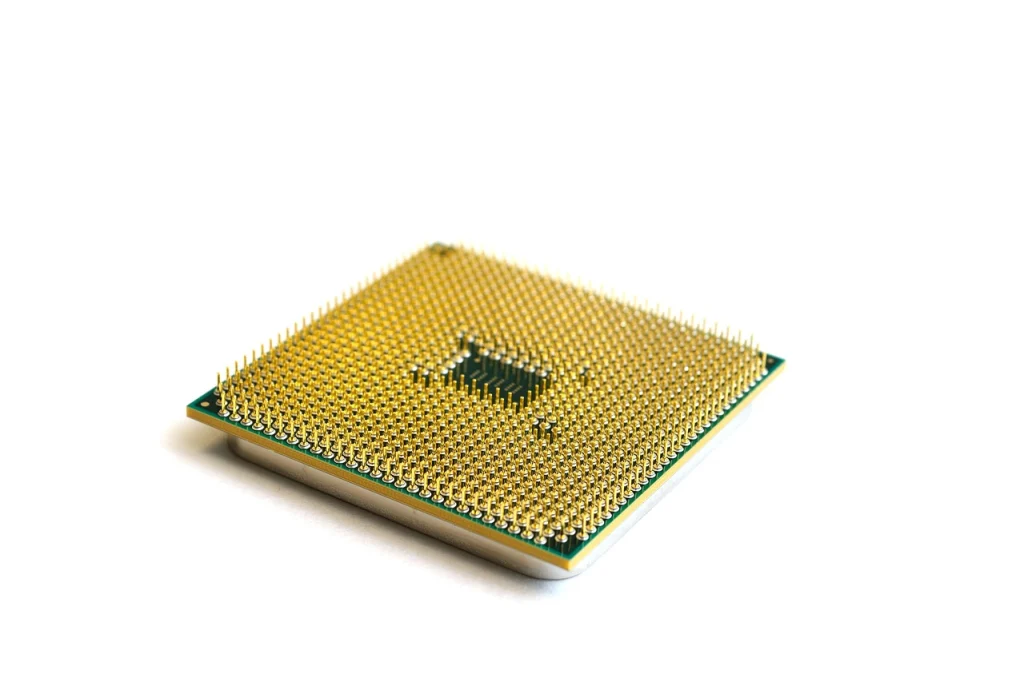
Why Korean AI Chips Dominate the Market
Advanced Manufacturing Capabilities
Korean semiconductor companies have invested billions in cutting-edge fabrication facilities. Samsung and SK Hynix are accelerating production at their Yongin and Pyeongtaek fabs, specifically targeting high-performance memory for artificial intelligence applications. According to The Korea Herald, these facilities represent the most advanced memory manufacturing infrastructure globally.
Technological Innovation in Packaging
The shift toward hybrid bonding technology has become a critical differentiator for Korean AI chips. Samsung and Hanwha are pioneering advanced packaging methods essential for next-generation AI accelerators. This innovation allows Korean manufacturers to stack memory layers more efficiently, delivering superior bandwidth and energy efficiency compared to traditional approaches.
Strategic Market Positioning
SK Hynix previously supplied HBM4 chips to Nvidia in the mid-$500 range but is now repositioning closer to Samsung’s premium pricing. Bloomberg Industry Research analyst Masahiro Wakasugi projects that Samsung’s $700 HBM4 pricing will deliver operating profit margins between 50-60%, demonstrating the exceptional profitability of Korean semiconductor leadership.
The Physical AI Transition and Korean Innovation

From Generative to Physical AI
During the Semicon Korea 2026 conference, Samsung Electronics CTO Song Jai-hyuk emphasized that recent advances in artificial intelligence have accelerated the transition from generative AI to physical AI. This evolution requires fundamentally different memory architectures, where Korean AI chips excel through superior bandwidth and latency characteristics.
Next-Generation NAND Technology
Beyond HBM4 memory, Samsung is preparing to unveil 400-layer vertical NAND flash chips by late 2026. This quantum leap in storage density will support data-intensive AI applications and server infrastructure, further cementing Korea’s position as the epicenter of AI hardware innovation. Learn more about Korean technology trends shaping the future.
Memory Solutions for Mobile AI
Samsung’s partnership with Qualcomm on LPDDR6X memory demonstrates the breadth of Korean semiconductor innovation. While mass production of LPDDR6 is scheduled for the second half of 2026, the availability of the 6X variant allows accelerator architects to validate next-generation mobile AI chips ahead of schedule.
Competitive Landscape and Market Challenges
Chinese Competition in Legacy Markets
While Korean AI chips dominate premium high-bandwidth memory segments, Chinese manufacturers like CXMT are flooding legacy DRAM markets with chips priced at roughly half the standard rate. This two-tier competition landscape requires Korean companies to maintain technological leadership in advanced nodes while managing pressure in commodity segments.
European Collaboration Initiatives
The European Union is actively strengthening semiconductor cooperation with Korea. According to Korea.net, EU Ambassador to Korea expressed commitment to deepening technological partnerships that strengthen global supply chains. This transatlantic collaboration provides Korean AI chip manufacturers with expanded market access and research synergies.
Investment Implications for Korean Semiconductor Stocks
Samsung Electronics shares surged 5.4% to record highs following the HBM4 pricing announcement, reflecting investor confidence in Korean semiconductor profitability. The combination of premium pricing power, technological leadership, and expanding AI demand creates a compelling investment narrative for Korean chip manufacturers through 2026 and beyond.
David Tepper’s Appaloosa Management significantly increased positions in Korean technology stocks during Q4, viewing them as AI-driven plays with exceptional upside potential. This institutional validation underscores the strategic importance of Korean AI chips in global technology portfolios.
The Future of Korean AI Chip Leadership
The confluence of advanced manufacturing, innovative packaging technologies, and strategic market positioning ensures Korean AI chips will remain central to artificial intelligence infrastructure development. As physical AI applications proliferate across robotics, autonomous vehicles, and intelligent systems, demand for high-bandwidth memory solutions will only intensify.
Korean semiconductor companies are not merely riding the AI wave—they are actively shaping its trajectory through technological innovation and strategic foresight. For investors, technologists, and industry observers, understanding Korean AI chip dynamics is essential to anticipating broader technology trends.
Want to stay updated on Korean technology innovation? Subscribe to our newsletter for weekly insights on Korean tech, culture, and market trends shaping the global landscape.