
The Global Rise of Korean Food Trends in 2026
Korean food trends have evolved from a niche culinary interest to a global phenomenon that’s reshaping dining tables worldwide. From bustling Seoul street markets to upscale restaurants in London and New York, the distinctive flavors of Korean cuisine are capturing hearts and palates everywhere. This cultural food movement goes far beyond the popularity of K-pop and Korean dramas; it represents a genuine appreciation for centuries-old cooking traditions meeting modern innovation.
Traditional Foundations Meeting Modern Innovation
At the core of Korean food trends lies the perfect balance between preserving traditional recipes and embracing contemporary culinary techniques. Classic dishes like bibimbap, bulgogi, and kimchi have become household names internationally, yet they’re being reimagined in exciting new ways. Korean fried chicken, with its ultra-crispy coating and sweet-spicy glaze, has become a global street food sensation rivaling traditional American and British versions.
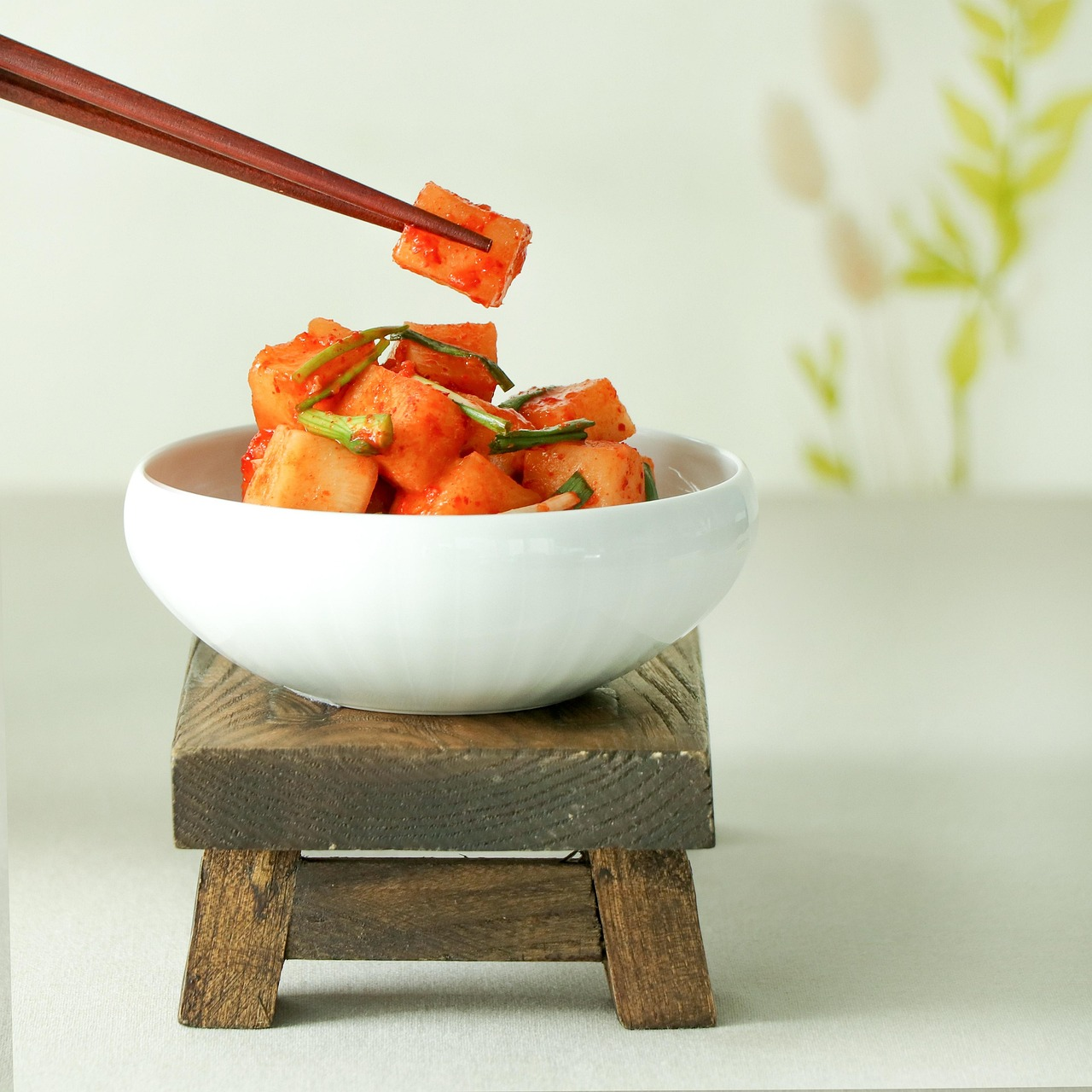
The fermentation techniques that give Korean food its distinctive depth are now being studied and adopted by chefs worldwide. Kimchi, the iconic fermented vegetable dish, appears not just as a side dish but as an ingredient in tacos, burgers, and even pasta. This cross-cultural fusion demonstrates how Korean food trends are influencing broader culinary innovation.
The Power Ingredients Driving the Korean Food Wave
Several key ingredients have emerged as the ambassadors of Korean cuisine to the world. Gochujang, the fermented red chili paste, has become a pantry staple in kitchens far beyond Korea, adding complex heat and umami to everything from marinades to mayonnaise. Similarly, gochugaru (Korean red pepper flakes) provides a unique fruity heat that’s distinct from other chili varieties.
These ingredients aren’t just trending because they’re exotic; they offer genuine flavor complexity that enhances both traditional Korean dishes and international recipes. The growing availability of authentic Korean ingredients in mainstream supermarkets has made it easier than ever for home cooks to explore these flavors.
Street Food Culture Goes Premium
One of the most fascinating Korean food trends is the elevation of street food classics to premium dining experiences. Tteokbokki (spicy rice cakes), once primarily a budget-friendly snack, now appears on fine dining menus with gourmet presentations. Korean corn dogs, with their unique potato coating and creative fillings, have spawned countless dedicated shops worldwide.
This democratization of Korean cuisine means that both casual diners and food enthusiasts can experience authentic flavors at various price points. The rise of ready-meal formats featuring Korean recipes has also made these dishes accessible to time-pressed consumers who still crave authentic taste.
Social Media and the Visual Appeal of Korean Food
The photogenic nature of Korean dishes has undoubtedly contributed to their viral spread on social platforms. The vibrant colors of a properly arranged bibimbap bowl, the dramatic cheese pull of Korean corn dogs, and the satisfying sizzle of Korean BBQ all create shareable moments that fuel interest and experimentation.
Food bloggers and influencers have played a crucial role in documenting Korean food culture, from traditional family recipes to trendy cafe creations in Seoul’s hip neighborhoods. This visual storytelling helps demystify Korean cooking techniques and encourages people to try making these dishes at home.
How to Explore Korean Food Trends Yourself
Start with the Essentials
For those new to Korean cuisine, beginning with foundational dishes offers the best introduction. Try making kimchi fried rice at home, which requires minimal ingredients but delivers authentic flavors. Visit a Korean restaurant to experience properly prepared bibimbap, where mixing the ingredients yourself becomes part of the culinary ritual.
Stock your pantry with key ingredients like gochujang and sesame oil to experiment with Korean flavors in your everyday cooking. Many traditional Korean recipes are surprisingly simple once you have the right components.
Embrace the Communal Dining Experience
Korean food culture emphasizes sharing and community, with meals typically featuring multiple side dishes (banchan) and interactive cooking methods like Korean BBQ. This social aspect of dining represents more than just eating; it’s about connection and conversation over food.
Understanding this cultural context enriches the appreciation of Korean cuisine beyond just taste. Whether you’re cooking at home or dining out, approaching Korean food with this mindset transforms a meal into an experience.
The Future of Korean Cuisine
As Korean food trends continue evolving, we’re seeing increased innovation while respecting traditional methods. Plant-based versions of classic Korean dishes are emerging, catering to dietary preferences while maintaining authentic flavor profiles. The global spread of Korean cuisine has also led to interesting regional adaptations, creating new fusion traditions.
The sustainability aspects of Korean cooking, particularly fermentation and minimal food waste practices, align well with contemporary food values. These time-tested techniques offer lessons for modern sustainable cooking.
Want to stay updated on the latest developments in Korean food and culture? Subscribe to our newsletter for weekly insights, authentic recipes, and cultural deep-dives that go beyond the trends to explore the rich traditions of Korean cuisine.