
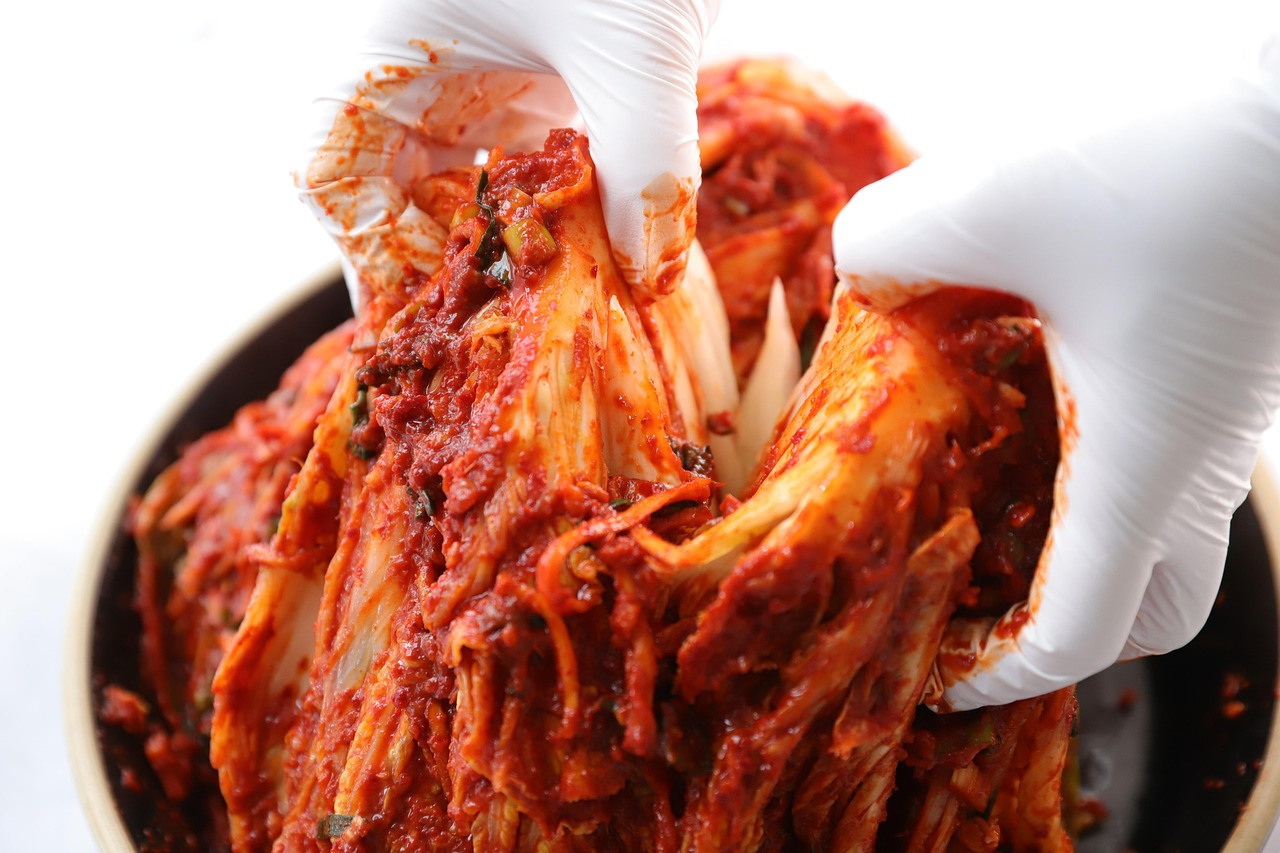
 bold flavors in 2026 food trends” class=”wp-image-475″ width=”800″ />
The Rise of Fermentation in Modern Korean Cuisine
Korean food trends in 2026 are dominated by one ancient technique: fermentation. From kimchi to gochujang, these traditional flavors are reshaping global dining in unexpected ways. The kimchi market alone is projected to reach an 8.1% compound annual growth rate through 2026, reflecting worldwide appetite for bold, probiotic-rich foods.
Aged Pork Belly Reaches New Heights
Seoul’s top restaurants are pushing the boundaries of pork aging. Premium establishments like Gimsukseoung in trendy Sinsa-dong now serve 22-day aged samgyeopsal that transforms the texture and flavor profile entirely. Some high-end venues age pork belly for 360 to 720 hours, with select restaurants encasing cuts in hardened beeswax blocks cracked tableside.
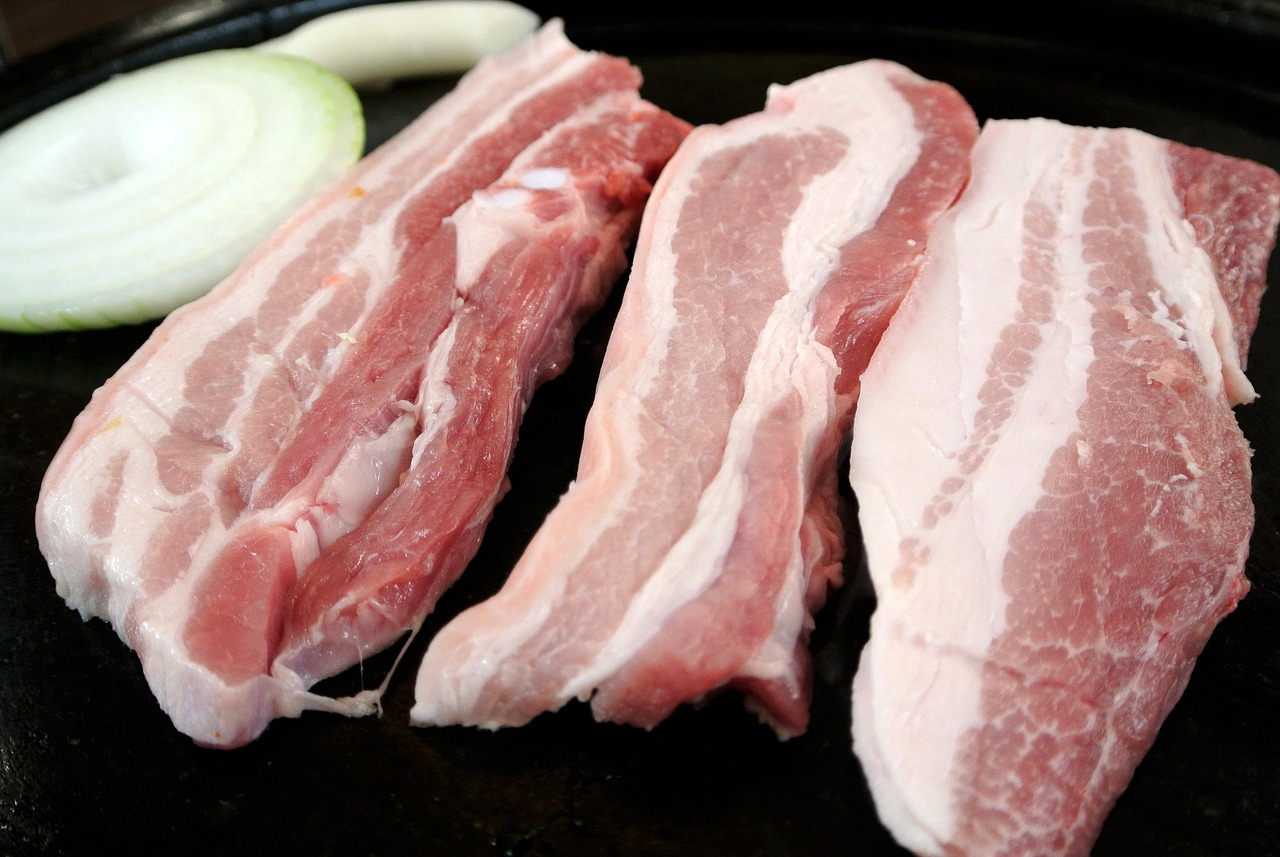
This aging process creates unprecedented tenderness while concentrating natural umami flavors. The technique mirrors dry-aged beef practices but applies Korean culinary wisdom to create a distinctly local premium product.
creates unprecedented tenderness while concentrating natural umami flavors. The technique mirrors dry-aged beef practices but applies Korean culinary wisdom to create a distinctly local premium product.
Kimchi Crosses Culinary Borders
Traditional kimchi is no longer confined to Korean tables. International chefs are incorporating this fermented staple into fusion dishes like stir-fried kimchi egg gimbap and kimchi carbonara. The fermentation process provides natural probiotics and complex flavor profiles that complement diverse cuisines.
Major food corporations are taking note. Daesang recently showcased Korean fermented flavors at Japan’s largest food trade show, blending gochujang into everyday Japanese dishes. This cross-cultural adaptation demonstrates how Korean food trends are influencing regional Asian markets first before spreading globally.
Street Food Becomes Strategic Business
Korean street food has evolved beyond social media novelty into a scalable business model for quick-service restaurants worldwide. Classic dishes like Korean fried chicken, tteokbokki, and Korean corn dogs now appear on delivery platforms from Los Angeles to London.
The appeal lies in bold flavors, visual presentation, and portion sizes perfect for takeout. Food service operators recognize these menu items drive customer engagement while maintaining reasonable food costs and prep times.
Gochujang Emerges as Universal Condiment
The fermented chili paste gochujang is experiencing mainstream adoption across multiple cuisines. Chefs appreciate its balance of heat, sweetness, and umami that enhances everything from burgers to pasta sauces. Unlike single-note hot sauces, gochujang provides layered complexity from months of fermentation.
Retail data shows gochujang sales climbing in Western supermarkets as home cooks discover its versatility. The paste works equally well as a marinade base, stir-fry sauce, or flavor enhancer in soups and stews.
Premium Korean BBQ Redefines Dining Experience
High-end Korean barbecue restaurants are elevating the traditional experience with theatrical presentations and premium ingredients. Tableside service includes expert grill management, custom-aged meats, and carefully curated banchan selections that change seasonally.
Restaurants source heritage breed pork from Jeju Island and showcase regional beef varieties with documented provenance. This farm-to-table approach aligns with global dining trends while maintaining distinctly Korean hospitality and cooking methods.
The Future of Korean Food Innovation
These Korean food trends reflect a broader movement toward fermentation-based cooking, ingredient transparency, and bold flavor profiles. As global palates become more adventurous, traditional Korean techniques offer both health benefits and culinary excitement.
Whether you’re exploring Seoul’s latest restaurant openings or experimenting with gochujang at home, 2026 marks a pivotal year for Korean cuisine’s global influence. The fusion of ancient fermentation wisdom with modern culinary innovation creates endless possibilities for food lovers worldwide.
Want more insights on Korean culture and food? Subscribe to our newsletter for weekly updates on the latest trends from Seoul and beyond.