
Korean food trends continue to captivate global audiences, and at the heart of this culinary revolution lies an ancient practice: fermentation. These time-honored techniques have transformed simple vegetables into nutrient-rich superfoods that offer remarkable health benefits while delivering complex, satisfying flavors.
The Ancient Art of Korean Fermentation
Korean fermentation has roots stretching back thousands of years, born from practical necessity and refined into sophisticated culinary art. Traditional Korean households maintained dedicated earthenware jars called onggi, where kimchi, doenjang (fermented soybean paste), and gochujang (red chili paste) would slowly develop their signature depth and complexity.
The fermentation process relies on naturally occurring bacteria, primarily Lactobacillus species, which convert sugars into lactic acid. This creates an acidic environment that preserves food while generating beneficial probiotics, vitamins, and unique flavor compounds that cannot be replicated through other cooking methods.
Health Benefits of Korean Fermented Foods
Probiotic Power for Digestive Health
Fermented Korean foods are probiotic powerhouses. A single serving of kimchi can contain billions of beneficial bacteria that support gut health, improve digestion, and strengthen the immune system. Research from Seoul National University found that regular kimchi consumption significantly improved gut microbiome diversity in study participants.
Enhanced Nutritional Value
The fermentation process actually increases the bioavailability of nutrients. Vitamins B and K multiply during fermentation, while the breakdown of plant cell walls makes minerals like iron and calcium more easily absorbed by the body. This nutritional enhancement makes fermented foods more valuable than their fresh counterparts.
Anti-Inflammatory and Antioxidant Properties
Korean fermented foods contain powerful antioxidants and anti-inflammatory compounds. Studies published in the Journal of Medicinal Food demonstrate that kimchi consumption reduces markers of inflammation and may help prevent chronic diseases. The capsaicin in gochujang and the isoflavones in doenjang provide additional protective benefits.
Essential Korean Fermented Foods to Try
Kimchi: The Fermented Food Icon
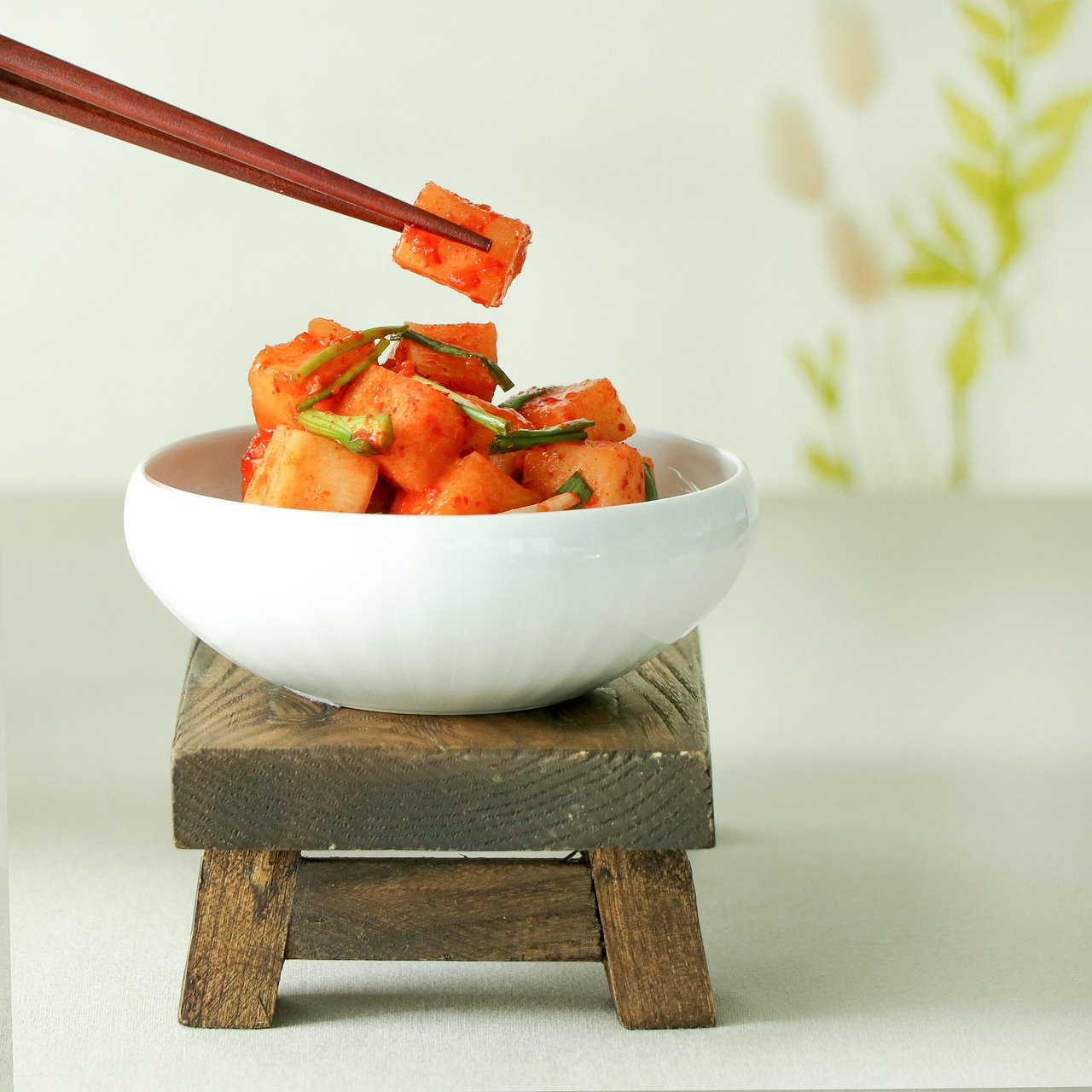
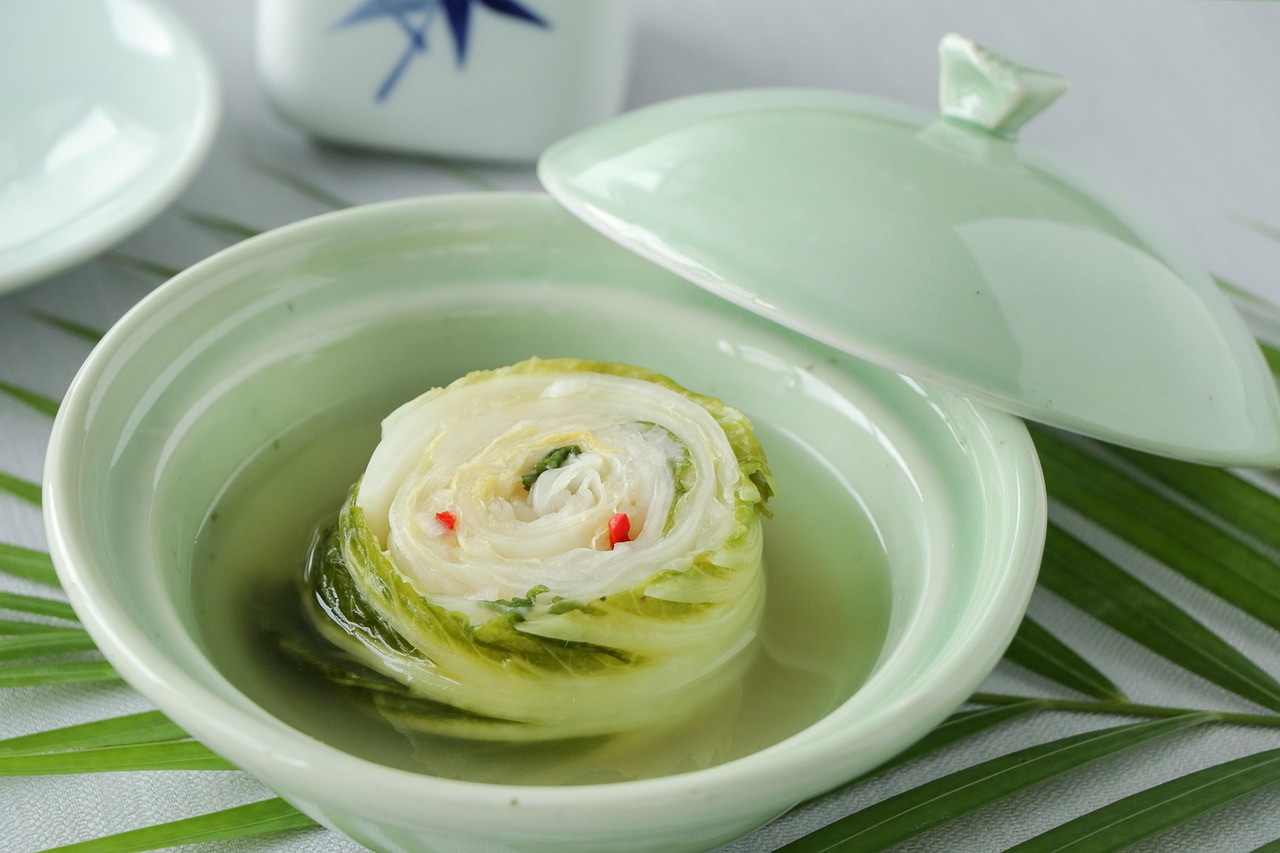
Kimchi remains the most recognized Korean fermented food globally. Beyond traditional napa cabbage kimchi (baechu kimchi), hundreds of regional varieties exist. Kkakdugi (cubed radish kimchi) offers a crunchy texture, while white kimchi (baek kimchi) provides gentler flavors without the characteristic red pepper.
Doenjang: Korean Fermented Soybean Paste
Doenjang undergoes months of fermentation, developing a deep umami flavor that forms the foundation of Korean stews and soups. Rich in protein and probiotics, this paste represents one of Korea’s most ancient fermented foods, with some families maintaining starter cultures passed down through generations.
Jeotgal: Fermented Seafood
These intensely flavored fermented fish and shellfish products add depth to kimchi recipes and serve as powerful flavor enhancers. Saeujeot (fermented shrimp) and myeolchijeot (fermented anchovy) deliver concentrated umami that elevates any dish.
Embracing Korean Food Trends in Your Kitchen
Starting your fermentation journey doesn’t require specialized equipment. A simple jar, quality sea salt, and fresh vegetables are sufficient for basic kimchi. Many Korean markets now offer starter cultures and pre-made fermentation bases that simplify the process for beginners.
As Korean food trends continue to shape global cuisine, fermented foods stand out for their unique combination of health benefits, sustainability, and remarkable flavors. Whether you’re seeking more Korean food insights or ready to explore traditional recipes, fermented foods offer an accessible entry point into authentic Korean culinary traditions.
The rise of Korean fermented foods represents more than a passing trend. It reflects growing awareness of gut health, appreciation for traditional food wisdom, and desire for bold, complex flavors. By incorporating these probiotic-rich foods into your diet, you’re connecting with centuries of Korean culinary heritage while supporting your health in measurable ways.
Ready to explore more Korean cuisine secrets? Subscribe to our newsletter for weekly insights into Korean food, culture, and traditions delivered straight to your inbox.