
As 2026 unfolds, Korean culture is undergoing a profound transformation. The Ministry of Culture’s latest report reveals six major trends reshaping how Koreans live, work, and connect with each other. These insights, drawn from analyzing 538 million online data points, paint a picture of a society moving from post-crisis recovery to deliberate adaptation.
The Human-Centered Turn in Korea’s AI Era
Artificial intelligence has become deeply embedded in Korean daily life, but the conversation is shifting. Online mentions of AI rose 44 percent year-over-year, with related policy discussions surging by 147 percent. Koreans aren’t just asking how to use AI—they’re debating how to preserve human values alongside technological advancement.
This represents a critical inflection point in Korean culture. Security concerns jumped 220 percent, and regulation discussions increased 109 percent, reflecting growing awareness that technology must serve humanity, not replace it. The trend signals Korea’s maturing relationship with innovation, prioritizing ethical oversight over uncritical adoption.
Real-World Implications
From workplaces implementing AI governance frameworks to educational institutions redesigning curricula around human-AI collaboration, this trend is reshaping Korean institutions. Companies are increasingly valued not just for technological prowess, but for their commitment to human-centered design principles.
The Rise of Hyper-Personalization and Individual Identity
Korean society is witnessing an accelerating shift toward individualism. Mentions of “being myself” increased 10 percent, accompanied by rising interest in keywords like “individuality,” “identity,” and “self-determination.” This marks a departure from traditional collectivist norms that have long defined Korean culture.
The trend reflects younger generations prioritizing personal values over societal expectations. Life decisions—from career choices to relationship structures—are increasingly evaluated through the lens of personal fulfillment rather than social conformity.
Cultural Evolution in Action
This individualization doesn’t mean the erosion of community; rather, it represents the coexistence of diverse lifestyles. Korean culture is expanding to accommodate multiple paths to success and happiness, moving beyond a single standard model.
Korea’s Wellness Revolution: Beyond Medical Treatment
Wellness mentions jumped 16 percent in 2025, with sharp increases in related terms like “daily life,” “old age,” and “slow aging.” Koreans are redefining health as a lifelong journey encompassing sleep quality, mental well-being, and aging preparation.
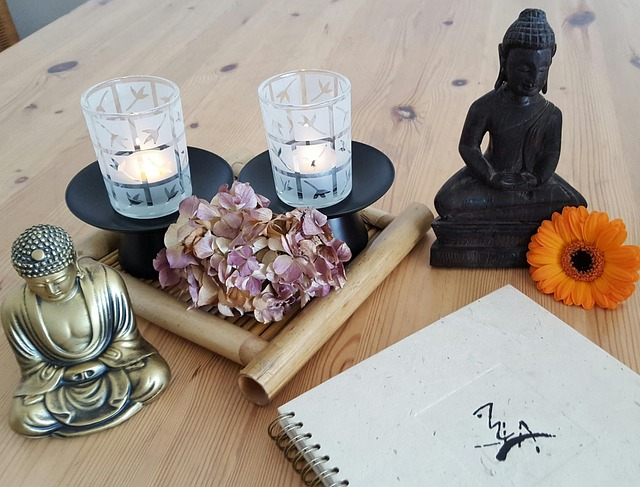
This holistic approach treats wellness not as a luxury but as a fundamental social condition. From workplace wellness programs to senior-friendly urban design, Korean institutions are responding to public demand for environments that support comprehensive health management.
The Aging Society Factor
With one of the world’s fastest-aging populations, Korea’s wellness focus carries urgency. The trend reflects proactive adaptation to demographic reality, with society-wide investment in systems that enable healthy, active aging.
Cost-Effectiveness: The New Consumer Mindset
Consumption mentions rose 13 percent, with “cost-effectiveness” emerging as the dominant theme. This doesn’t reflect economic hardship alone—it represents a philosophical shift toward rational spending and alternative consumption models.
Koreans are prioritizing balance and efficiency, making practicality routine in purchasing decisions. The sharing economy, subscription services, and quality-over-quantity philosophies are gaining mainstream acceptance.
Smart Spending Culture
This trend aligns with environmental consciousness and minimalism, creating a consumer culture that values sustainability and thoughtful resource use. Korean culture is redefining what it means to live well—emphasizing experiences and utility over accumulation.
K-Culture Pride and the ‘Feelconomy’
K-culture mentions surged 31 percent, with “KPop Demon Hunters” and “hanbok” ranking as top search terms. What’s remarkable is how cultural consumption is translating into economic activity—a phenomenon dubbed the “feelconomy.”
Emotional engagement built online is converting into real-world spending on exhibitions, performances, tourism, and merchandise. Fan-driven, participatory cultural consumption has become a significant economic driver, demonstrating how Korean culture creates value through emotional resonance.
For more insights into Korean cultural trends, subscribe to our newsletter for weekly updates on Korean society, technology, and lifestyle.
Global Cultural Influence
This trend extends beyond borders. Korean culture’s global expansion is fueled not just by content quality but by the emotional communities it builds. The feelconomy represents a new model for cultural export—one based on participation and identity rather than passive consumption.
New Forms of Coexistence Through Emotional Empathy
Mentions related to relationships and empathy rose 20 percent, with emotionally charged terms like “recovery,” “emotion,” and “communication” standing out. Koreans are increasingly finding support in small communities built around shared interests rather than formal institutions.
This reflects a growing emphasis on relationship structures that enable emotional recovery during crises. Success is being redefined—not by outward achievement but by the quality of connections and emotional stability.
Community Reimagined
From online interest groups to neighborhood-based mutual aid networks, Korean society is experimenting with new forms of belonging. These communities offer flexibility and emotional support that traditional institutions often cannot provide.
What These Trends Mean for Korean Culture’s Future
The overarching theme connecting these six trends is adaptation. Korean society isn’t simply recovering from recent challenges—it’s deliberately reshaping social structures, consumption patterns, and relationship models to better serve individual and collective well-being.
This represents Korean culture at an inflection point: maintaining core values while embracing change, balancing technological advancement with human-centered principles, and creating space for diverse ways of living. The Korea of 2026 is one actively designing its future rather than passively responding to change.
As these trends continue evolving, they offer valuable insights not just for understanding Korean society but for observing how modern cultures navigate the tensions between tradition and innovation, individualism and community, efficiency and meaning.
Stay informed about Korean culture and society trends by joining our newsletter community.
Sources: Korea Herald, Ministry of Culture Sports and Tourism