
Kimchi Goes Global: 93 Countries and Counting
Korean cuisine is experiencing an unprecedented surge in global popularity, with kimchi leading the charge. In 2025, this iconic fermented Korean food reached a historic milestone, being exported to a record-breaking 93 countries. What was once considered an acquired taste is now celebrated worldwide as both a culinary delight and a superfood.
According to the Korea Food Research Institute (KFRI), 71% of Korean consumers consider fermented foods an essential part of a healthy diet. This sentiment is rapidly spreading across borders, with international markets embracing kimchi not just for its unique flavor profile, but for its remarkable health benefits.
The Fermented Food Revolution
Nutritionist Emer Lowry notes that fermented foods, particularly kimchi, have become mainstream in Western markets. UK retailer Waitrose reported a 70% surge in searches for “Korean BBQ,” while kimchi ranks among their fastest-growing international products. This shift reflects a broader global trend toward probiotic-rich foods and gut health awareness.
From Traditional to Trendy
Traditional Korean ingredients once dismissed as old-fashioned are being rebranded as superfoods. Younger generations are rediscovering their grandparents’ diet, but with modern packaging and marketing strategies that appeal to health-conscious global consumers.
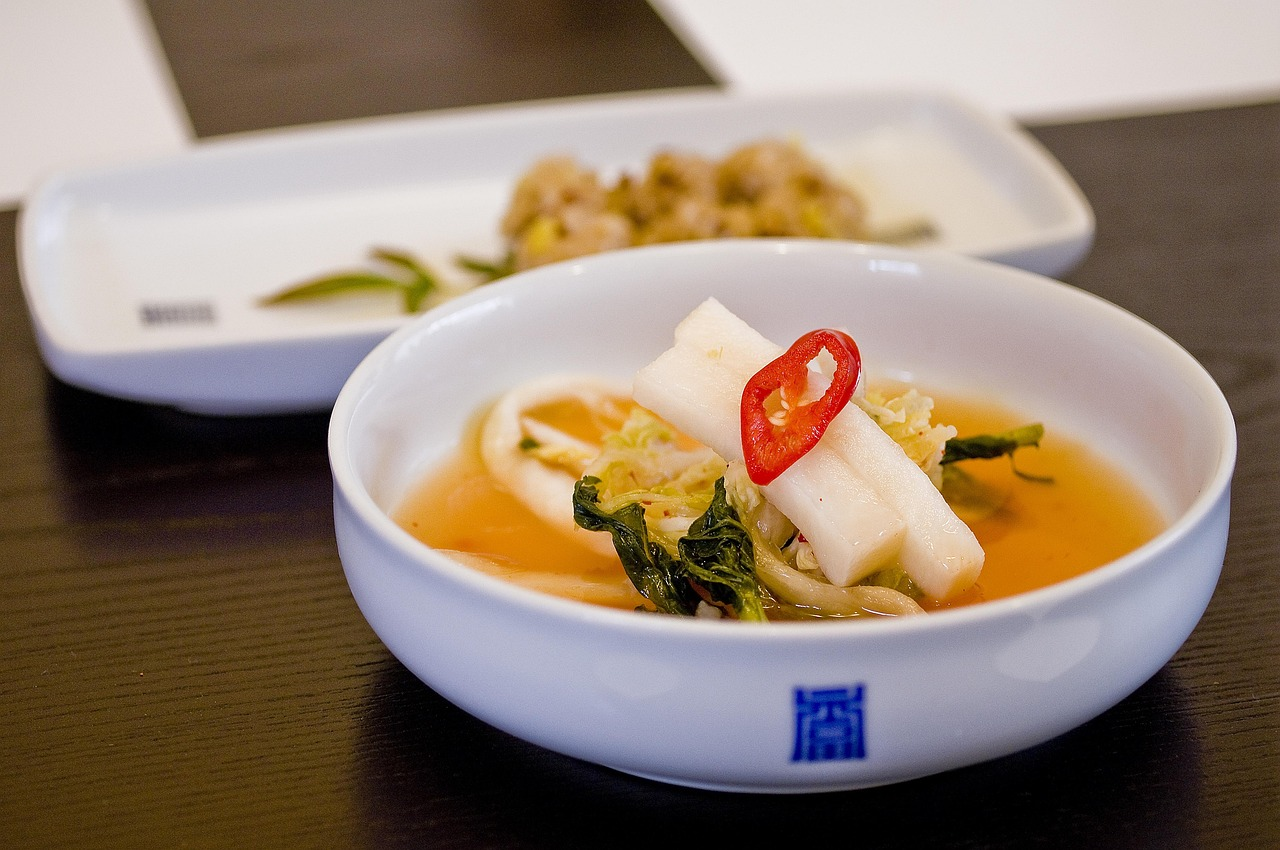
Korean Food Trends Shaping 2026
The Korean cuisine outlook for 2026 reveals several exciting developments for global food and beverage brands:
Technique-Led Innovation
Korean fermentation techniques are being applied to non-traditional ingredients, creating fusion products that blend Eastern tradition with Western tastes. Kimchi-flavored snacks, gochujang hot sauces, and doenjang-infused spreads are appearing in mainstream supermarkets worldwide.
Premium Ready-Meal Formats
Convenience meets authenticity as premium Korean ready meals gain traction. These products offer restaurant-quality Korean food experiences in formats accessible to time-pressed consumers, from bibimbap meal kits to instant Korean stews.
Street Food Goes Global
Korean street food classics like tteokbokki, Korean fried chicken, and kimbap are scaling globally. What started as K-pop-driven curiosity has evolved into sustained demand, with dedicated Korean street food chains opening across North America and Europe.
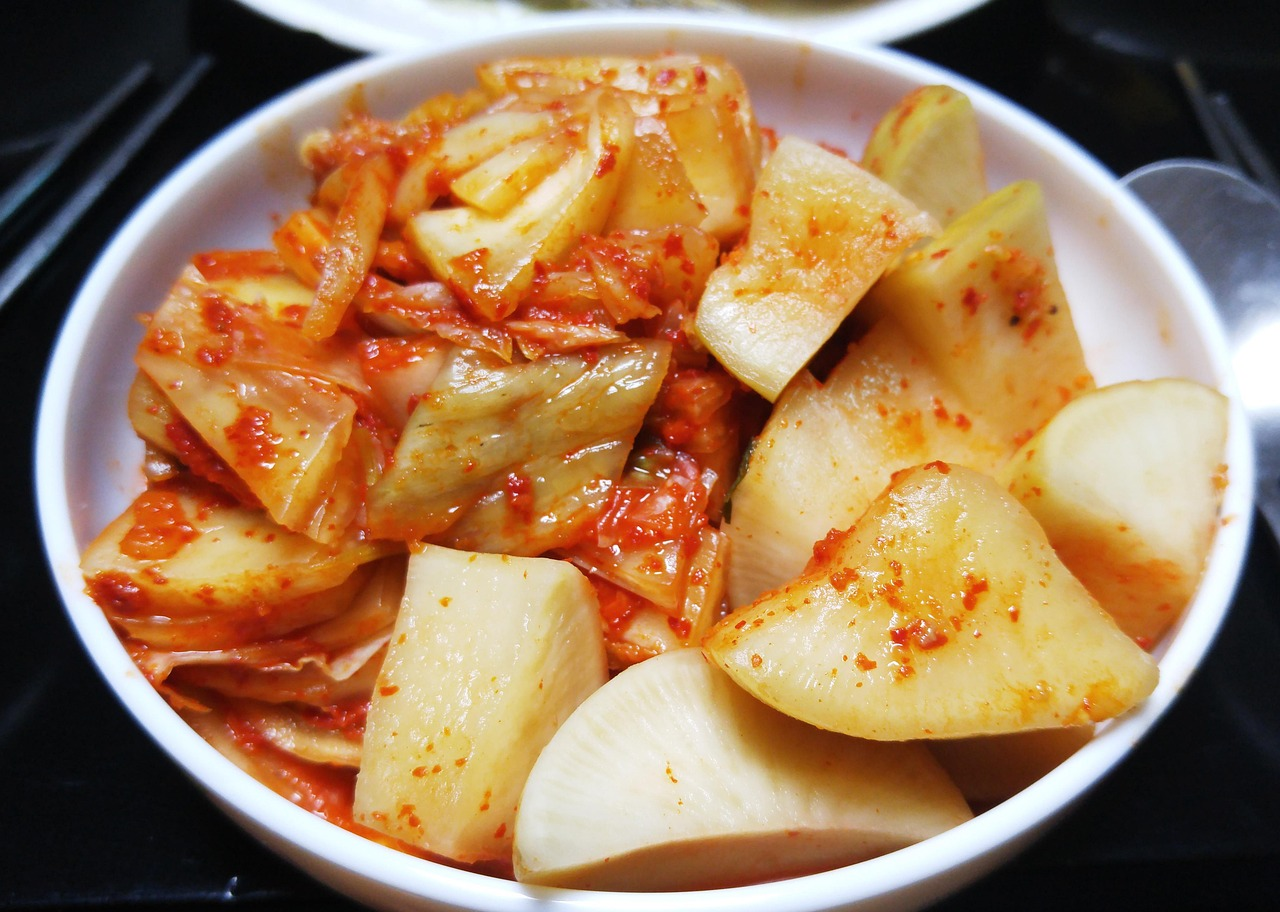
Health Benefits Driving Adoption
The global embrace of Korean fermented foods isn’t just about taste. Scientific research continues to validate the health claims associated with kimchi and other traditional Korean foods:
- Probiotic powerhouse: Natural gut health support from beneficial bacteria
- Nutrient-dense: Rich in vitamins A, B, and C, along with essential minerals
- Low-calorie: Perfect for health-conscious consumers and weight management
- Antioxidant properties: May support immune function and reduce inflammation
- Vegan-friendly: Naturally plant-based with complex flavor profiles
Cross-Category Product Development
Korean flavors are expanding beyond traditional applications. Food manufacturers are incorporating gochugaru, kimchi powder, and Korean soy sauces into everything from potato chips to craft beer. This cross-category innovation reflects Korean cuisine’s versatility and global appeal.
The Superfood Narrative
Traditional foods like ginseng, kimchi, and doenjang are being marketed as superfoods with scientific backing. This positioning resonates particularly well with millennial and Gen Z consumers seeking functional foods that combine health benefits with exciting flavors.
Market Growth and Future Outlook
The kimchi market alone shows impressive growth projections, driven by increasing awareness of fermented foods’ health benefits. Baechu kimchi (napa cabbage kimchi) leads in popularity due to its versatility in culinary applications and rich nutritional profile.
North America and Europe represent the fastest-growing markets, with kimchi increasingly positioned as both a health food and a vegan option. The growing global trend toward fermented and probiotic foods creates a perfect environment for continued Korean food expansion.
Innovation in Tradition
Korean food companies are balancing tradition with innovation, creating products that honor centuries-old fermentation techniques while meeting modern consumer expectations. From shelf-stable kimchi varieties to fusion condiments, the industry demonstrates remarkable adaptability.
As Korean cuisine continues its global ascent, fermented foods remain at the heart of this culinary revolution. Whether you’re a longtime kimchi enthusiast or a curious newcomer, the diverse world of Korean fermented foods offers endless opportunities for exploration and discovery.
Discover more about Korean food trends and traditional recipes. Follow our newsletter for weekly updates on Korean cuisine, cooking techniques, and the latest food trends from Korea.