
Discovering Authentic Korean Tourism Beyond the Tourist Trail
While Seoul and Busan dominate most Korea travel itineraries, the country’s hidden treasures offer experiences that capture the authentic spirit of Korean tourism. These lesser-known destinations combine natural beauty, cultural heritage, and peaceful atmospheres that mainstream tourist spots often lack.
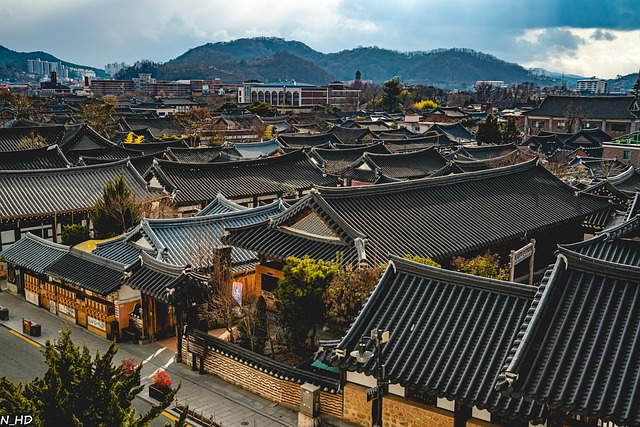
Jeonju Hanok Village: Living History
Unlike commercialized historical sites, Jeonju’s hanok village maintains its residential character while welcoming visitors. Over 800 traditional Korean houses line narrow streets where locals still live according to centuries-old customs. The area gained recognition as a center for Korean tourism that preserves culinary traditions, particularly bibimbap, which originated here.
Andong Hahoe Folk Village: UNESCO Heritage
This UNESCO World Heritage site represents Korean tourism at its most authentic. Clan descendants have inhabited these traditional houses for six centuries, maintaining ancestral rituals and architecture. The village performs traditional mask dances on weekends, offering visitors insight into Korea’s shamanistic past without the sanitized presentation of tourist shows.
Mountain Temples: Spiritual Retreats Off the Beaten Path
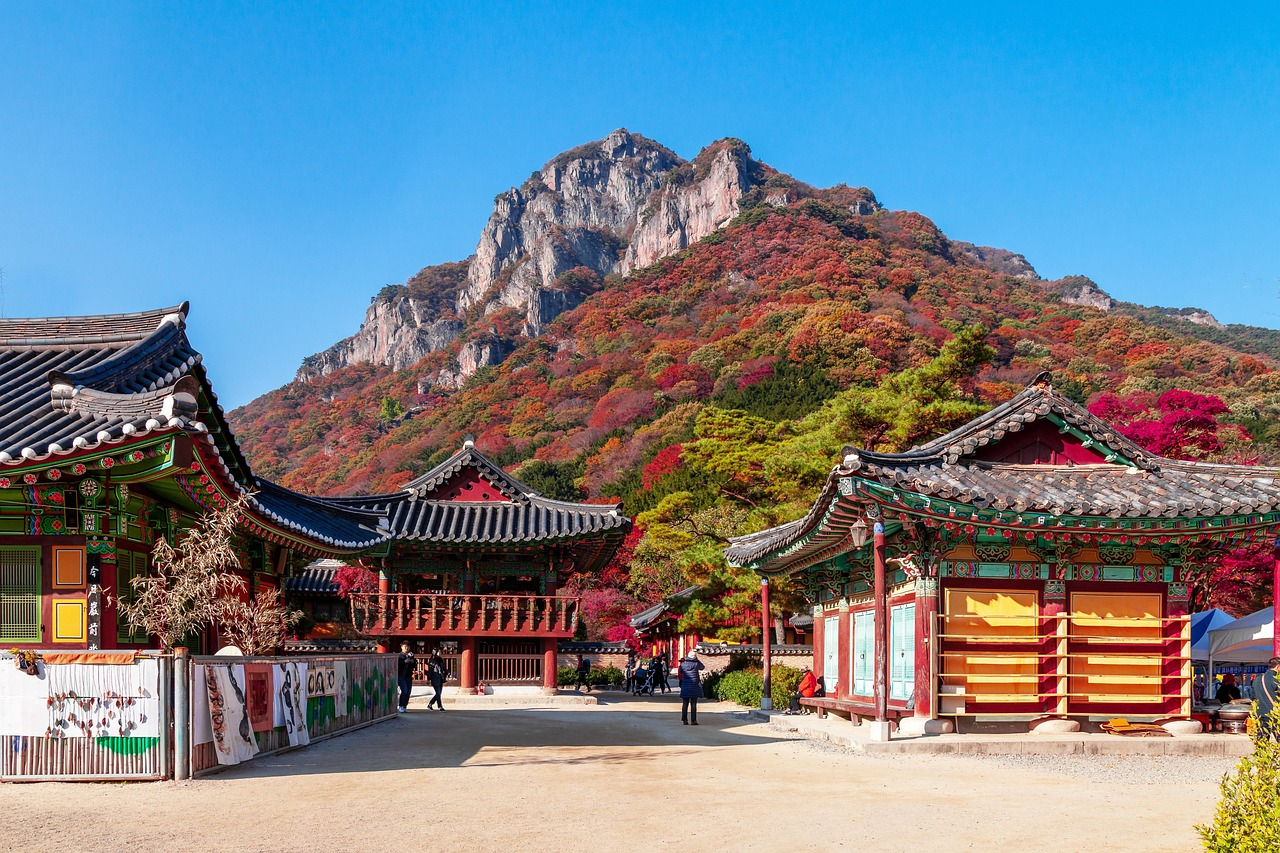
Baekyangsa Temple: Hidden in Naejangsan
Deep within Naejangsan National Park, Baekyangsa temple represents Korean tourism’s spiritual dimension. The approach through maple forests transforms seasonally, with autumn colors attracting photographers and meditation practitioners. Temple stay programs allow visitors to experience monastic life, including 3 AM chanting sessions and communal meals.
Haeinsa Temple: Guardian of Buddhist Scriptures
Home to the Tripitaka Koreana, 81,258 wooden printing blocks dating to 1251 CE, Haeinsa offers Korean tourism with historical depth. The temple’s location on Gayasan Mountain provides hiking opportunities alongside cultural exploration, combining physical activity with spiritual reflection.
Coastal Gems: Islands and Fishing Villages
Ulleungdo Island: Volcanic Wonder
Accessible only by ferry in calm weather, Ulleungdo remains one of Korean tourism’s best-kept secrets. The volcanic island features dramatic cliffs, squid fishing traditions, and a microclimate supporting unique plant species. Limited accommodation preserves the island’s untouched character, attracting adventurous travelers seeking solitude.
Tongyeong: Maritime Heritage
This coastal city balances historical significance as Admiral Yi Sun-sin’s naval headquarters with contemporary oyster farming culture. Cable car access to Mireuksan Mountain provides panoramic views of 151 surrounding islands, making it ideal for Korean tourism focused on maritime landscapes and seafood experiences.
Cultural Immersion Beyond Tourist Scripts
Traditional Food Experiences
Authentic Korean tourism extends beyond sightseeing into culinary traditions. Jeonju’s makgeolli alleys serve rice wine brewed using centuries-old methods, paired with pajeon savory pancakes. Local guides lead market tours explaining seasonal ingredients and fermentation techniques that define Korean cuisine. These experiences provide context missing from Seoul’s commercialized food tours.
Artisan Villages and Craft Traditions
Icheon, Korea’s pottery capital, maintains kiln traditions dating to the Joseon Dynasty. Visitors can observe master potters throwing celadon pieces or participate in workshops creating functional ceramics. The area’s concentration of pottery studios and museums illustrates how Korean tourism can support traditional crafts while educating visitors about material culture and artistic heritage.
Planning Your Hidden Korea Journey
These destinations require more planning than mainstream Korean tourism spots. Public transportation reaches most locations, though rental cars offer greater flexibility for rural areas. Spring cherry blossoms and autumn foliage provide spectacular backdrops, with autumn particularly transformative at mountain temples. Summer monsoon season affects ferry schedules to islands like Ulleungdo, making weather contingency plans essential.
Advance booking for temple stays and traditional hanok guesthouses is crucial during peak seasons, particularly autumn weekends when Korean domestic tourists visit countryside locations. English signage remains limited outside major tourist areas, making translation apps or basic Korean phrases helpful for independent travelers exploring authentic Korean tourism experiences.
Ready to explore Korea beyond the guidebook? Subscribe to our newsletter for weekly insider tips on authentic Korean travel experiences, seasonal recommendations, and cultural insights that transform ordinary trips into meaningful journeys.