
Beyond Seoul: Discovering Korea’s Hidden Cultural Gems
While Seoul captivates millions of visitors annually with its dynamic blend of modern skyscrapers and ancient palaces, Korea’s most enchanting experiences often lie in its lesser-known cultural destinations scattered across the peninsula. From hillside art villages to dramatic coastal temples, from UNESCO-protected traditional towns to culinary capitals, these hidden treasures offer authentic glimpses into Korean heritage and contemporary creativity that typical tourist itineraries frequently overlook.
The Korean tourism landscape has evolved significantly over recent decades, yet many travelers still concentrate their visits around major metropolitan areas, missing the country’s rich cultural tapestry. These hidden gems provide opportunities to experience Korea at a deeper level, connecting with local communities, understanding historical traditions, and witnessing how ancient customs blend seamlessly with modern Korean identity.
Gamcheon Culture Village: Busan’s Colorful Hillside Canvas
Perched precariously on the coastal slopes of Busan, Gamcheon Culture Village transforms a former refugee settlement into a living, breathing canvas of contemporary art and preserved history. Often called the “Korean Santorini” or “Machu Picchu of Busan,” this vibrant neighborhood features pastel-colored houses cascading down steep hillsides, adorned with murals and sculptures created by both renowned and emerging local artists.
The village’s remarkable story begins in the 1950s when refugees fleeing the Korean War established makeshift homes on these hillsides. What started as a poverty-stricken shantytown has transformed into one of Korea’s most photographed cultural destinations, thanks to urban regeneration projects that began in 2009. Local artists, community leaders, and residents collaborated to preserve the area’s historical character while injecting new creative energy.
Walking through Gamcheon’s maze-like narrow alleys feels like stepping into an outdoor gallery where every corner reveals new art installations, quirky themed cafes, and panoramic ocean views. The famous “Little Prince” statue overlooks the entire village, while colorful staircases lead visitors through different art zones. Small museums showcase the area’s history, and artist studios invite travelers to watch creative processes firsthand. The village demonstrates Korea’s remarkable ability to preserve cultural memory while embracing modern artistic expression.
Haedong Yonggungsa Temple: Where Ocean Meets Spirituality
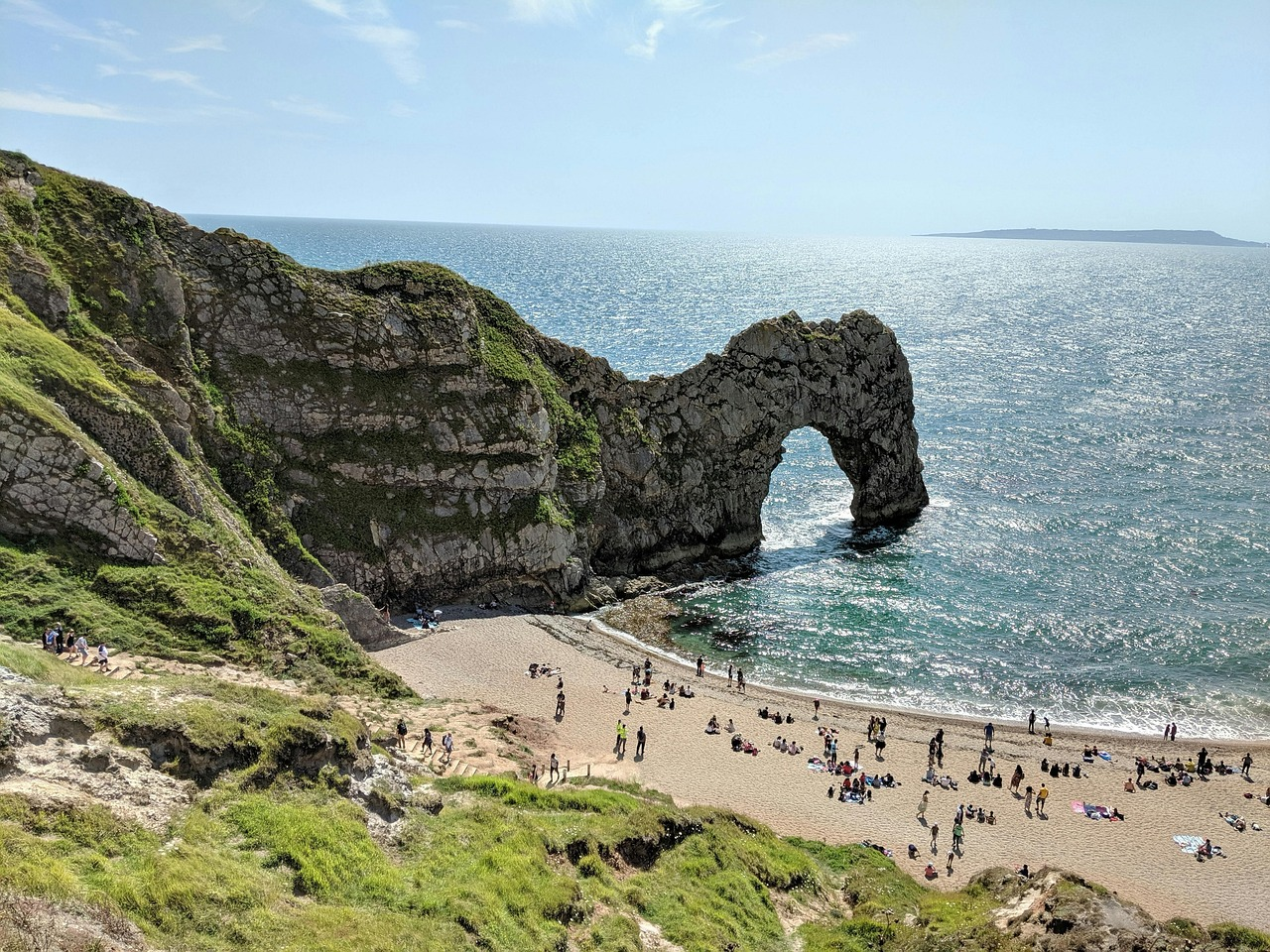
Unlike most Korean Buddhist temples traditionally nestled in mountain valleys following feng shui principles, Haedong Yonggungsa sits dramatically perched on coastal cliffs just northeast of Busan. Built in 1376 during the Goryeo Dynasty, this exceptional temple offers a rare combination of profound spiritual atmosphere and breathtaking seaside scenery that visitors find nowhere else in Korea.
The temple’s unique coastal location stems from a fascinating legend. According to tradition, a renowned Buddhist monk received a divine message in a dream instructing him to build a temple by the sea to bring peace and prosperity to the nation. The resulting structure has withstood centuries of storms, wars, and changes, maintaining its spiritual significance for Korean Buddhists while becoming an architectural marvel.
Visitors descend 108 stone steps—representing the 108 worldly desires in Buddhist philosophy that humans must overcome to achieve enlightenment—before reaching the temple complex. The sound of waves crashing dramatically against ancient rocks mingles harmoniously with resonant temple bells, creating an unforgettable multisensory experience. Early morning visits reward dedicated travelers with stunning sunrise views over the East Sea, when monks conduct morning chanting ceremonies with the ocean as their backdrop.
The temple grounds feature multiple worship halls, a traditional three-story pagoda, and intricately carved guardian statues that have watched over the site for generations. A golden pig statue near the entrance attracts visitors seeking good fortune, following Korean traditions around lunar year zodiac animals. The combination of spiritual depth, historical significance, and natural beauty makes Haedong Yonggungsa an essential destination for understanding Korean religious culture.
Traditional Villages Preserving Korean Heritage
Andong Hahoe Village: Living Museum of Joseon Dynasty Life
This UNESCO World Heritage site maintains authentic traditional Korean architecture and lifestyle practices that date back over 600 years. Hahoe Village represents Korea’s best-preserved example of a traditional clan-based community, where yangban (aristocratic class) families lived according to strict Confucian principles that shaped Korean society throughout the Joseon Dynasty.
The village layout follows traditional feng shui principles, with hanok houses featuring elegantly curved tile roofs arranged thoughtfully around a central courtyard. The Nakdong River encircles the village in a natural protective embrace, creating the “lotus blossom floating on water” formation that gave Hahoe its name. Ancient zelkova trees, some over 600 years old, stand as silent witnesses to centuries of Korean history.
Unlike static museum reconstructions found elsewhere, Hahoe Village remains a vibrant living community where approximately 240 residents maintain ancestral traditions in their daily lives. Descendants of the founding Ryu clan still inhabit their family homes, practicing traditional ceremonies and maintaining historical customs. Visitors can observe authentic Korean lifestyle practices, watch captivating mask dance performances that originated in this village, participate in traditional tea ceremonies conducted in historic pavilions, and even arrange overnight stays in beautifully maintained hanok guesthouses to fully experience historical Korean domestic life.
The village operates a living history program where visitors can try traditional Korean clothing (hanbok), learn about Confucian philosophy that governed daily life, and understand the sophisticated social structures that characterized Joseon Dynasty society. Educational programs explain traditional Korean architecture principles, agricultural practices, and the philosophical underpinnings of Korean cultural identity.
Jeonju Hanok Village: Culinary Capital and Cultural Fusion Hub
Home to over 800 meticulously preserved traditional hanok structures, Jeonju masterfully blends historical preservation with vibrant contemporary culture. The village serves as Korea’s undisputed culinary capital, birthplace of bibimbap (Korea’s famous mixed rice dish), and an active showcase of traditional crafts including hanji papermaking, traditional Korean calligraphy, and fan-making techniques passed down through generations.
Jeonju’s historical significance extends beyond food. The city served as the ancestral home of the Joseon Dynasty royal family, lending it special cultural importance in Korean history. This royal connection influenced the area’s development of refined court cuisine traditions, sophisticated artistic practices, and distinctive architectural styles that set Jeonju apart from other Korean cities.
Strolling through Jeonju’s atmospheric streets reveals fascinating layers of Korean identity in constant dialogue. Elderly master craftspeople demonstrate centuries-old techniques in traditional workshops, while young artisans create innovative fusion works that honor heritage while pushing creative boundaries. The neighborhood’s legendary food scene offers everything from meticulously prepared royal court cuisine served in traditional settings to boundary-pushing innovative street food that attracts Korean food enthusiasts from across the nation.
Visitors can participate in hands-on cultural experiences including hanji papermaking workshops, traditional Korean tea ceremonies, hanbok wearing and photography sessions in historic settings, and cooking classes teaching authentic bibimbap preparation techniques. The village transforms into a magical landscape after sunset when traditional lanterns illuminate hanok rooflines, creating perfect conditions for evening walks and photography.
Planning Your Korean Cultural Journey
Best Times to Visit Cultural Sites
Spring (April through May) and autumn (September through October) provide ideal weather conditions for exploring outdoor cultural sites across Korea. Spring cherry blossoms enhance temple visits with spectacular pink canopies, while autumn foliage creates stunning colorful backdrops for traditional village photography and mountain temple excursions.
Consider strategically timing visits around major traditional festivals for enhanced cultural immersion: the Andong Mask Dance Festival in autumn showcases traditional Korean performing arts, while Jeonju’s International Bibimbap Festival in October offers comprehensive culinary experiences beyond typical restaurant dining. These events provide deeper context and memorable experiences that enhance understanding of Korean cultural traditions.
Getting There and Practical Travel Tips
Korea’s exceptionally efficient public transportation system makes reaching these destinations straightforward even for international visitors. KTX high-speed trains connect Seoul to Busan in under three hours, offering comfortable travel with stunning countryside views. Regional bus networks serve smaller cultural villages efficiently, with English-language announcements and digital displays helping international travelers navigate confidently.
Many cultural sites now offer comprehensive English-language guided tours providing essential historical context that deepens appreciation of what you’re experiencing. Purchasing a Korea Travel Card (T-money or Cashbee) simplifies transportation payments across the entire country while offering small discounts. Most tourist information centers at major train stations provide free maps, cultural guides, and helpful staff who can assist with travel planning.
For deeper exploration of Korean culture, hidden travel gems, and insider tips from local perspectives, subscribe to our newsletter for weekly updates featuring seasonal travel recommendations, cultural insights, food discoveries, and practical advice for experiencing Korea beyond standard tourist routes.
Cultural Etiquette and Respectful Travel
When visiting traditional villages and active temples, respectful behavior ensures positive experiences for both travelers and local communities. Dress modestly at religious sites, removing shoes before entering temple worship halls. In living villages like Hahoe, remember that you’re visiting people’s actual homes—maintain appropriate noise levels and respect private property boundaries.
Photography is generally welcomed at cultural sites, but always ask permission before photographing people, especially elderly residents and monks. Some temple worship halls restrict photography during ceremonies. Learning basic Korean greetings and thank-you phrases demonstrates cultural respect that locals genuinely appreciate.
These carefully preserved cultural destinations reveal Korea’s rich historical tapestry and living traditions beyond metropolitan centers. Whether exploring artistic hillside villages, contemplating beside ancient seaside temples, or experiencing authentic traditional village life, these hidden treasures offer profound connections to Korean heritage and contemporary creativity that conventional tourist routes often miss entirely. They remind us that Korean tourism encompasses far more than K-pop and Seoul shopping districts—it’s a journey through centuries of cultural evolution, artistic expression, and communities maintaining meaningful connections to their ancestral heritage while actively shaping Korea’s creative future.