
Discover Korea’s Hidden Gems: 9 New Tourist Destinations
While Seoul and Busan continue to attract millions of visitors annually, Korea’s tourism landscape is expanding beyond the usual hotspots. The Korea Tourism Organization recently unveiled nine remarkable hidden gems that promise authentic cultural experiences away from the crowds. These carefully selected destinations represent the future of Korean tourism, offering unique attractions that blend natural beauty, cultural heritage, and modern entertainment.
The designation of these “Small but Strong Potential Tourist Destinations” marks a significant shift in how Korea approaches tourism development. Rather than focusing solely on major metropolitan areas, the government is actively promoting regional destinations that showcase the country’s diverse cultural and natural assets. This strategy not only distributes tourism benefits more evenly across the nation but also provides travelers with opportunities to experience authentic Korean life beyond the cosmopolitan veneer of major cities.
Exploring Korea’s Newly Designated Small but Strong Destinations
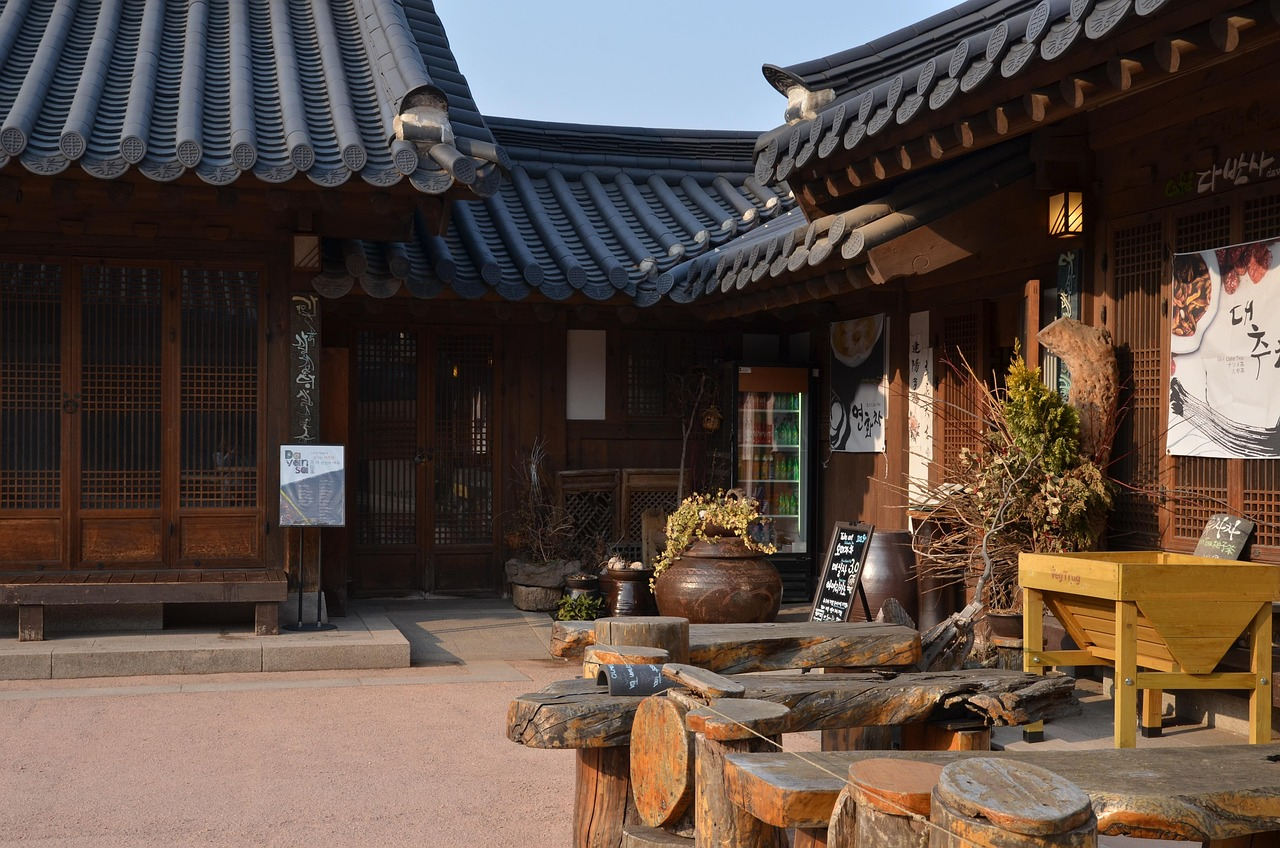
The Ministry of Culture, Sports and Tourism has identified locations with unique appeal that could transform into major attractions. These destinations were chosen for their distinctive character and potential to offer travelers something truly different from mainstream Korean travel experiences. Each location underwent rigorous evaluation based on cultural significance, accessibility, development potential, and ability to provide memorable visitor experiences.
What makes these destinations particularly compelling is their diversity. From historical streets that transport visitors to Korea’s modernization era to cutting-edge science museums and pristine natural landscapes, these nine locations collectively represent the full spectrum of what Korean tourism can offer. They cater to different traveler demographics, from families seeking educational experiences to adventure enthusiasts and cultural heritage lovers.
Heritage and History: Ganggyeong Modern History Street
Located in Nonsan, South Chungcheong Province, Ganggyeong Modern History Street takes visitors through Korea’s fascinating modern era. This preserved historical district showcases architecture and cultural elements from the late 19th and early 20th centuries, providing a window into Korea’s transformative period. Walking through these streets feels like stepping back in time, with well-preserved buildings that tell stories of Korea’s journey toward modernization.
Ganggyeong was once a thriving port town along the Geum River, serving as a crucial commercial hub during Korea’s transition period. The preserved buildings include former banks, trading houses, and residential structures that reflect the architectural fusion of traditional Korean and early modern influences. Visitors can explore traditional hanok houses alongside early 20th-century brick buildings, creating a unique visual timeline of Korea’s architectural evolution.
The district also hosts several museums and cultural centers that provide context for the historical significance of the area. Local guides offer walking tours that explain the role Ganggyeong played in Korea’s rice trade and commercial development. The street comes alive during festivals when traditional markets are recreated, allowing visitors to experience the atmosphere of historical Korean commerce.
Nature and Adventure: Geochang Forest Leisure Sports Park
For outdoor enthusiasts, Geochang Forest Leisure Sports Park in South Gyeongsang Province offers a perfect blend of nature and recreation. This destination caters to families and adventure seekers alike, with activities ranging from forest trails to sports facilities nestled within pristine natural surroundings. The park demonstrates how Korean tourism is evolving to meet diverse traveler interests while maintaining environmental sustainability.
The park spans vast forested areas that showcase Korea’s mountainous terrain and rich biodiversity. Visitors can engage in various activities including hiking, mountain biking, camping, and team sports. The facility includes well-maintained trails suitable for different fitness levels, from gentle nature walks to challenging mountain paths that reward hikers with spectacular valley views.
What sets Geochang apart is its integration of sports infrastructure with natural settings. The park features outdoor sports facilities that allow visitors to combine physical activities with nature immersion. Families particularly appreciate the safe, well-designed spaces where children can explore nature while parents enjoy recreational activities. The park also offers seasonal programs including winter sports and spring flower festivals that attract visitors year-round.
Cultural Treasures: Manhyujeong Pavilion and Sille Village
Manhyujeong Pavilion in Andong, North Gyeongsang Province, stands as a testament to traditional Korean architecture and philosophy. This historic pavilion offers visitors a glimpse into the Confucian scholar culture that shaped Korean society for centuries. The structure itself exemplifies the principles of harmony with nature that guided traditional Korean architecture, with its positioning carefully chosen to maximize views of surrounding landscapes while maintaining philosophical balance.
Andong is already renowned for preserving Korean cultural heritage, with Hahoe Village being a UNESCO World Heritage Site. Manhyujeong Pavilion adds another dimension to the region’s cultural offerings. Visitors can learn about the scholarly traditions of Korea’s Joseon Dynasty, when learned men would retreat to such pavilions for study, meditation, and artistic pursuits. The pavilion’s architecture demonstrates the sophisticated understanding of aesthetics and functionality that characterized traditional Korean building design.
Meanwhile, Sille Village in Chuncheon, Gangwon Province, preserves traditional rural Korean life in a way that allows visitors to experience authentic village culture that has remained largely unchanged for generations. Unlike reconstructed folk villages, Sille maintains its status as a living community where residents continue traditional practices. Visitors can observe traditional farming methods, participate in handicraft workshops, and taste authentic rural Korean cuisine prepared using generations-old recipes.
The village’s location in Gangwon Province, known for its natural beauty and cleaner environment, makes it an ideal destination for those seeking to escape urban pressures. The village offers homestay programs where visitors can live with local families, providing immersive cultural experiences that foster genuine understanding of Korean rural traditions. Seasonal activities include rice planting in spring, harvesting in autumn, and traditional winter food preservation practices.
Educational Experiences: Marine Ecology Science Museum
The Marine Ecology Science Museum in Siheung, Gyeonggi Province, represents Korea’s commitment to environmental education and sustainable tourism. This modern facility offers interactive exhibits about marine ecosystems, making it an ideal destination for families and anyone interested in Korea’s rich coastal biodiversity. The museum’s location in Siheung, near the Yellow Sea coastal areas, provides opportunities to complement indoor learning with outdoor ecological experiences.
The museum features state-of-the-art exhibits that explain Korea’s marine environments, from the Yellow Sea’s unique tidal flats to the diverse ecosystems of the East Sea. Interactive displays allow visitors to understand complex ecological concepts through hands-on experiences. The facility includes aquarium sections featuring Korean marine species, touch pools for children, and virtual reality experiences that simulate underwater environments.
Educational programs at the museum cater to different age groups and interests. School groups can participate in guided tours tailored to curriculum requirements, while family programs offer activities that engage both children and adults. The museum also conducts research and conservation programs, giving visitors insight into Korea’s efforts to protect marine environments. Regular special exhibitions focus on specific topics such as ocean pollution, climate change impacts on marine life, and sustainable fishing practices.
Theme Parks and Entertainment: Wanggung Jewelry Theme Tourist Site
Iksan’s Wanggung Jewelry Theme Tourist Site and Dino Kids World combine entertainment with cultural education in an innovative approach that appeals to diverse audiences. This unique attraction connects visitors to the ancient Baekje Kingdom’s legacy while providing modern entertainment facilities that appeal to younger travelers. It’s a perfect example of how Korean tourism integrates historical narratives with contemporary experiences to create meaningful and enjoyable visitor experiences.
The Baekje Kingdom, one of the Three Kingdoms of ancient Korea, was renowned for its sophisticated culture and exquisite craftsmanship, particularly in jewelry and metalwork. The jewelry theme section educates visitors about Baekje’s artistic achievements while allowing them to appreciate recreations of historical pieces. Interactive workshops let visitors try their hand at jewelry-making using traditional techniques, creating personal souvenirs that carry educational value.
Dino Kids World adds an element of playful learning that attracts families with children. The dinosaur-themed attractions combine entertainment with paleontological education, featuring life-sized dinosaur replicas, fossil displays, and interactive exhibits about prehistoric life. The combination of historical Korean culture and dinosaur attractions might seem unusual, but it effectively caters to different family members’ interests, making it an ideal multi-generational destination.
Natural Wonders: Jeju Starlight Nuri Park and Sani Garden
Jeju Starlight Nuri Park takes advantage of the island’s relatively low light pollution to offer spectacular stargazing opportunities, combining natural beauty with astronomical education. Jeju Island’s designation as an International Dark Sky Park in certain areas has made it one of the best stargazing locations in Korea. The park provides telescopes, expert guides, and educational programs that help visitors understand celestial phenomena and appreciate Korea’s night skies.
The park’s facilities include an observatory with professional-grade equipment, outdoor viewing areas designed to minimize light interference, and indoor exhibition spaces that explain astronomical concepts. Evening programs include guided stargazing sessions, astrophotography workshops, and educational presentations about Korean traditional astronomy and its historical significance. The park also hosts special events during astronomical phenomena like meteor showers, lunar eclipses, and planetary alignments.
Beyond stargazing, the park’s daytime activities include nature trails and educational exhibits about Jeju’s unique volcanic landscape. The combination of astronomical and geological education provides a comprehensive understanding of both cosmic and terrestrial natural phenomena. The park’s design philosophy emphasizes environmental conservation and sustainable tourism practices that protect Jeju’s dark sky status.
Meanwhile, Sani Garden in Haenam, South Jeolla Province, showcases Korea’s horticultural excellence and offers seasonal floral displays that change throughout the year. Located in Korea’s southernmost mainland region, Haenam benefits from a mild climate that supports diverse plant species. The garden features carefully curated sections representing different horticultural traditions and ecological zones, from traditional Korean gardens to modern landscape designs.
Seasonal transformations make Sani Garden a destination worth visiting multiple times. Spring brings spectacular cherry blossoms and azaleas, summer features lush greenery and water gardens, autumn showcases chrysanthemums and changing foliage, and winter offers camellia blooms and artistic garden structures. The garden’s design incorporates principles of Korean traditional landscaping, emphasizing harmony with natural topography and creating contemplative spaces that encourage peaceful enjoyment of nature.
Planning Your Korean Tourism Adventure
These nine destinations represent just a fraction of what Korean tourism has to offer beyond the well-trodden paths of Seoul and Busan. Each location provides unique insights into different aspects of Korean culture, from traditional heritage to natural wonders and modern entertainment. As Korea travel continues to evolve, these hidden gems offer authentic experiences that help visitors understand the country’s depth and diversity.
When planning visits to these destinations, consider that they are distributed across different regions of Korea, offering opportunities to explore various parts of the country. Most are accessible via Korea’s efficient public transportation system, though some may require rental cars for maximum convenience. The Korea Tourism Organization provides comprehensive information about access, accommodations, and seasonal considerations for each destination.
Whether you’re interested in history, nature, culture, or entertainment, these newly designated tourist destinations provide compelling reasons to explore beyond Korea’s major cities. They exemplify the Korea Tourism Organization’s vision of sustainable, diverse tourism that benefits local communities while offering visitors unforgettable experiences. These destinations also tend to be less crowded than major tourist attractions, allowing for more relaxed and intimate experiences with Korean culture and nature.
Ready to explore Korea’s hidden treasures? Stay updated on the latest Korean travel insights, cultural discoveries, and tourism tips by subscribing to our newsletter for exclusive content about Korean culture and travel destinations.