
Korea’s cultural landscape is experiencing a fascinating transformation in 2026, where centuries-old traditions merge seamlessly with contemporary expressions. These Korean culture trends reveal how the nation is preserving its heritage while embracing global influence and modern sensibilities.
The Rise of K-Everydayism in Cultural Tourism
The Korea Tourism Organization has identified a powerful shift in how international visitors engage with Korean culture trends. K-Everydayism, part of the D.U.A.L.I.S.M. tourism framework, represents tourists’ growing desire to experience authentic daily Korean life rather than just hitting tourist landmarks.
Visitors now seek morning routines at neighborhood markets, coffee shop culture, and local hangout spots. This trend reflects a deeper appreciation for Korea’s living culture beyond the K-drama sets and palace grounds. The movement is reshaping Korean travel experiences by prioritizing genuine human connections over checklist tourism.
Traditional Artifacts Meet Modern Design
Heritage-Inspired Merchandise Revolution
One of the most visible Korean culture trends is the reimagining of traditional artifacts through contemporary design. Young Koreans and international collectors are embracing products that blend historical motifs with everyday functionality.
Popular items include magpie-and-tiger badges, towels featuring royal dragon robe patterns, and heat-sensitive cup sets inspired by Joseon Dynasty aesthetics. These aren’t mere souvenirs—they’re wearable and usable art pieces that keep cultural symbols alive in daily life.
Hanbok with Sneakers: Fashion Fusion
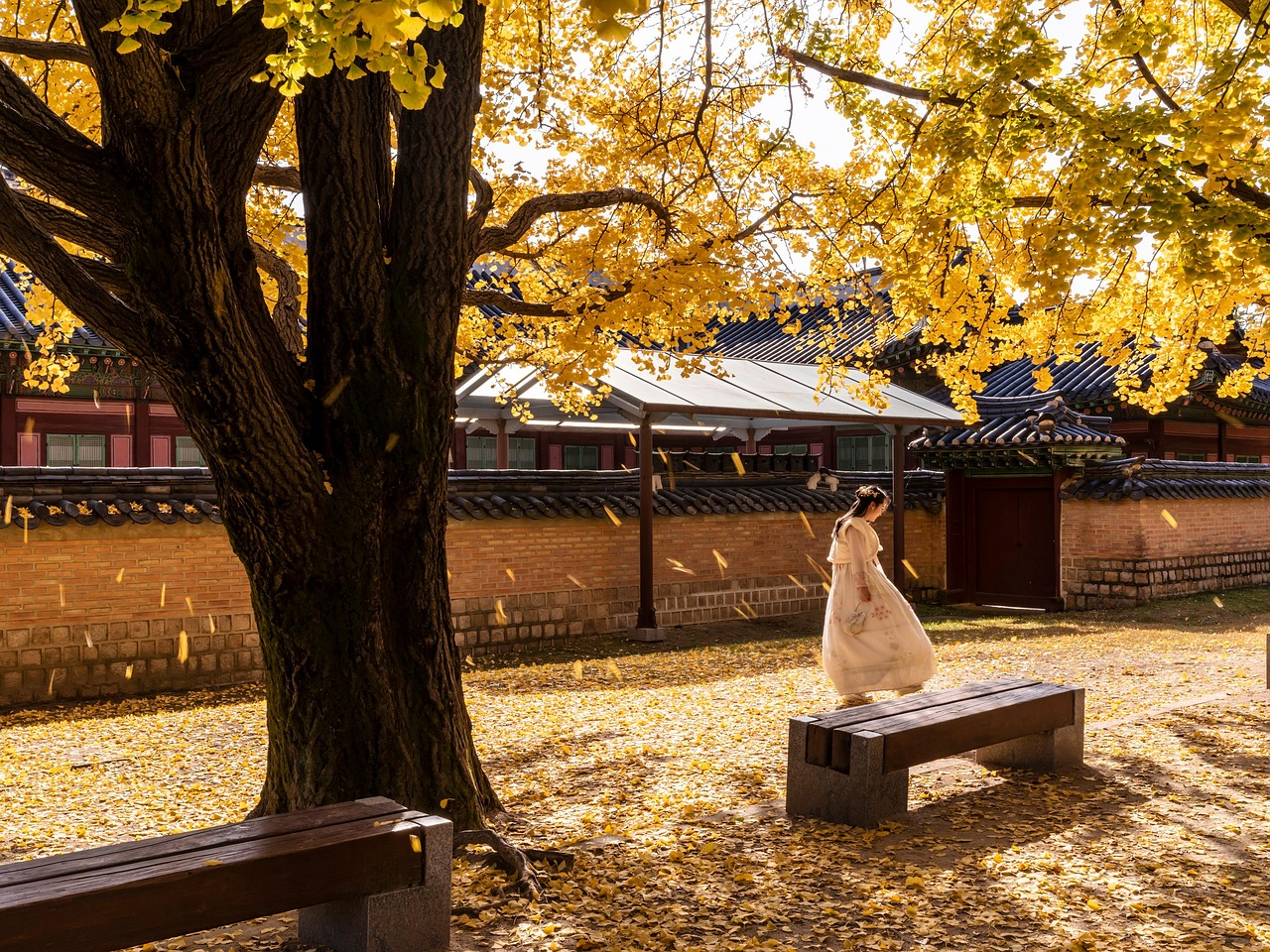
The hanbok renaissance continues to evolve, with young Koreans pairing traditional Korean dress with modern streetwear elements like sneakers and denim jackets. This fusion respects tradition while making it accessible and relevant to contemporary lifestyles.
Hanbok rental shops around Seoul’s palaces now offer both classical designs and contemporary “fusion hanbok” that incorporate modern cuts and fabrics. Some even provide AI filters for digital hanbok images, though many cultural advocates push for more real-world wearing opportunities beyond photo ops.
Inclusive Cultural Exports
Breaking Taboos Through K-Pop and K-Beauty
Korean culture trends in 2026 show increasing inclusivity. Following K-pop’s lead in embracing diverse global audiences, K-beauty brands are expanding shade ranges and marketing to wider demographic groups. This shift represents Korea’s evolution from a homogeneous cultural exporter to a more globally conscious cultural leader.
The success of groups like BTS and Blackpink has demonstrated that Korean cultural products can resonate universally, even when primarily in Korean language. This confidence has encouraged other cultural sectors to maintain authenticity while welcoming global participation.
Heritage Tourism Gets a Contemporary Upgrade
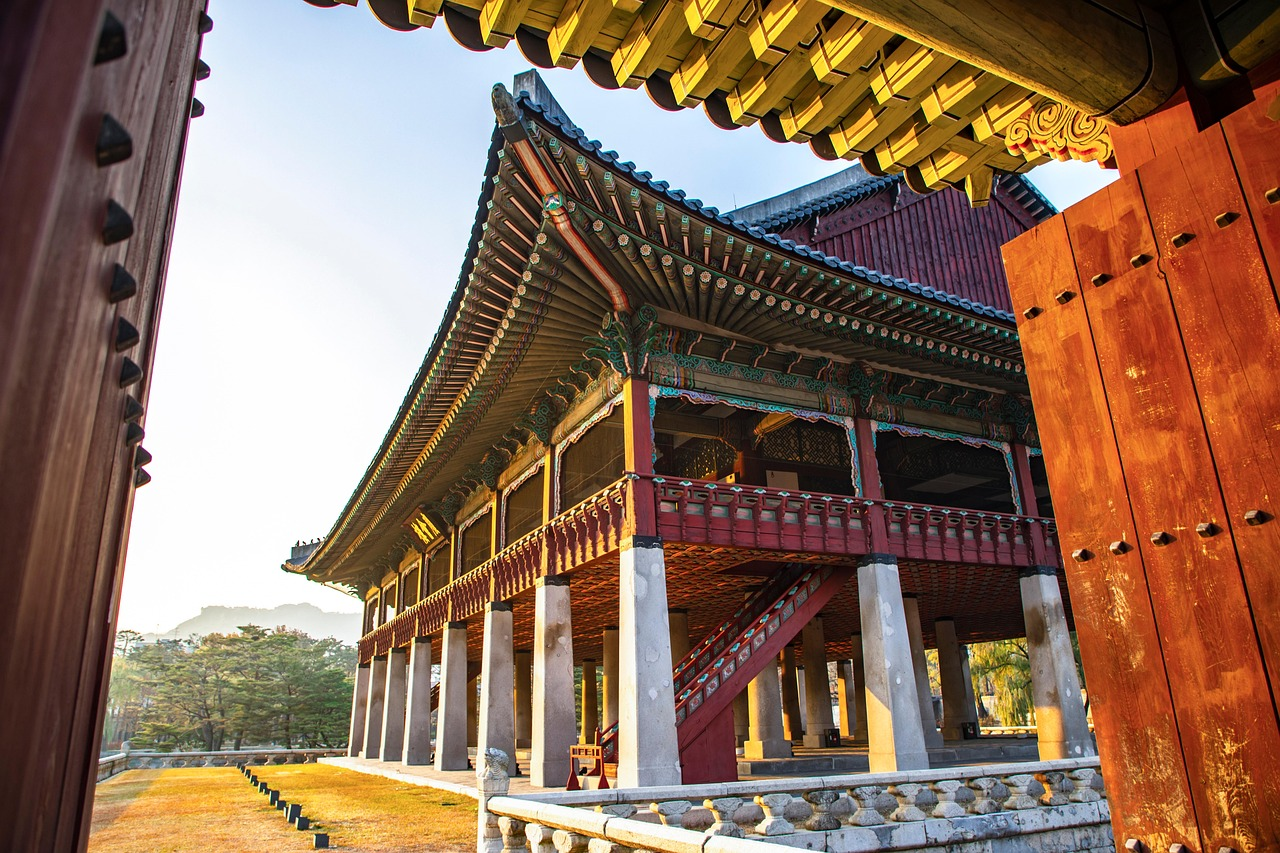
Korea’s “heritage revolution” blends dynasties with K-pop, high-tech shopping with ancient spiritual retreats. Museums now incorporate interactive digital experiences alongside traditional artifacts. Palace tours include both historical narratives and connections to contemporary Korean entertainment that references these historical settings.
Cultural Authenticity in the Digital Age
Despite technological advancements, Korean culture trends emphasize substance over spectacle. While AI and VR experiences enhance cultural engagement, there’s growing recognition that authentic experiences—learning pansori singing, practicing traditional tea ceremony, or understanding shamanic dress symbolism—provide deeper cultural connections than purely digital interactions.
This balance between innovation and preservation defines Korea’s approach to cultural evolution. Museums collaborate with K-pop artists for hanbok promotion, while traditional craftspeople work with modern designers to keep ancient techniques commercially viable.
Looking Forward: Culture as Living Practice
The most significant of all Korean culture trends is the understanding that culture must be lived, not just preserved. Young Koreans are increasingly viewing traditional practices not as museum pieces but as adaptable elements of contemporary identity.
From converted warehouse art spaces to department store cultural floors, Korea is creating new contexts for cultural engagement. These spaces allow tradition to breathe and evolve while maintaining its essential character.
External sources like Korea.net and the Korea Herald document these ongoing transformations as Korea navigates its unique position between ancient traditions and cutting-edge modernity.
Want to stay updated on Korean culture trends, food innovations, and travel insights? Subscribe to our newsletter for weekly updates delivered straight to your inbox. Join our community exploring the best of Korean culture in 2026 and beyond.