
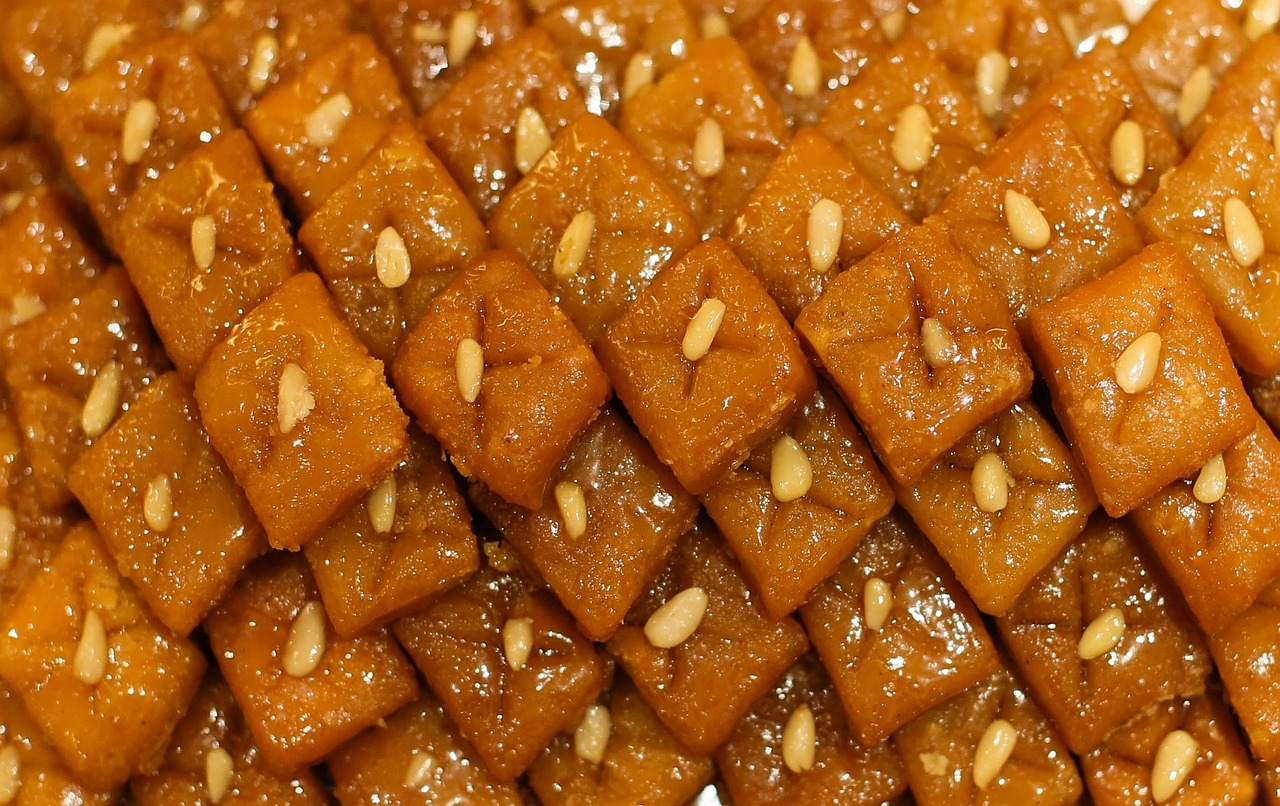
The Dubai Chewy Cookie Phenomenon Sweeping Korea
A new viral sensation has taken over Korean convenience stores and bakeries in early 2026. Dubai chewy cookies, known locally as “dujjonku,” have sold over 1.8 million units in just a few weeks, creating unprecedented demand for pistachios and marshmallows across the nation.
The trend represents yet another example of Korea’s unique ability to transform global food concepts into localized sensations. From tanghulu to dalgona coffee, Korean consumers have consistently demonstrated their appetite for Instagram-worthy treats that combine novelty with accessibility.
What Makes Dubai Chewy Cookies Different
Unlike traditional Dubai chocolate bars that inspired them, Dubai chewy cookies reimagine the viral Middle Eastern dessert in marshmallow form. The cookie-sized treats feature a gooey chocolate marshmallow exterior enveloping crispy kadayif pastry and pistachio cream filling, all generously dusted with cocoa powder.
The Perfect Texture Combination
Food scientists attribute the Dubai chewy cookie success to its multi-layered texture profile. The crunchy kadayif contrasts with creamy pistachio filling, while the marshmallow provides satisfying chewiness. This combination creates the sensory experience that drives social media sharing, with countless videos showing the dessert being pulled apart to reveal its gooey interior.
Celebrity Endorsement Fueled the Craze
Originally developed by pastry chefs Lee Yoonmin and Kim Nari at Mond Cookie in April 2025, the dessert gained explosive popularity after IVE’s Jang Wonyoung posted it on her Instagram story in September. Within months, major convenience store chain CU reported selling 1.8 million Dubai chewy cookies, according to Korea Herald reporting.
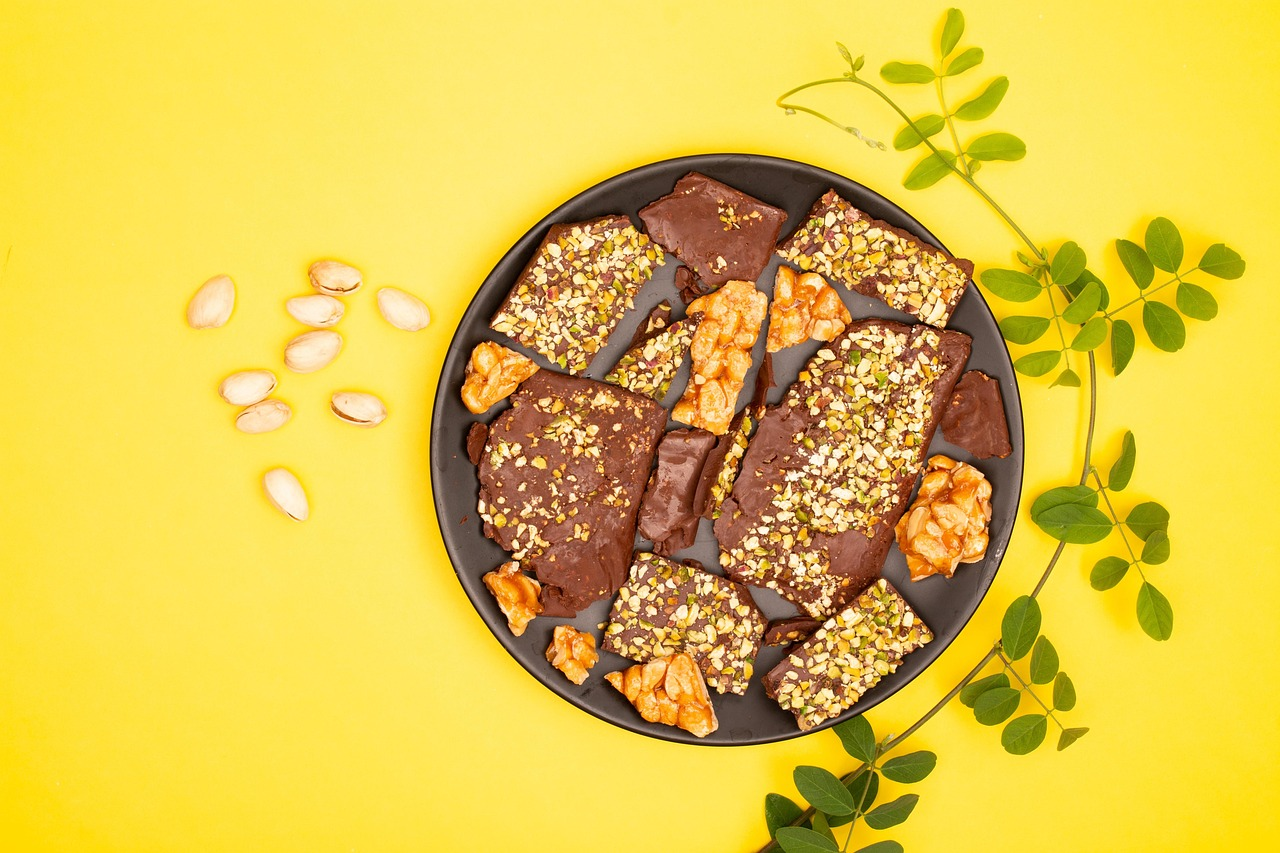
Economic Impact: Pistachio Prices Surge 400%
The Dubai chewy cookie trend has created unexpected supply chain challenges across Korea. Retail data shows that one kilogram of pistachios jumped from 20,000 KRW to approximately 80,000 KRW between December 2025 and January 2026, representing a 400% price increase.
Shortages Create Shopping Apps
Dedicated cookie hunters now rely on specialized tracking applications that provide real-time updates on Dubai chewy cookie availability across Korean retail locations. Some consumers report paying premiums exceeding 100,000 won to secure pistachio supplies at short notice, demonstrating the dessert’s powerful grip on consumer behavior.
Global Supply Chain Disruption
Major supermarkets like Emart have posted shortage notices in their nut sections, while bakery supply distributors struggle to meet unprecedented marshmallow and pistachio demand. The phenomenon mirrors the global pistachio shortage triggered by the original Dubai chocolate trend in 2025.
Why Korean Food Trends Go Viral
Dubai chewy cookies fit perfectly into Korea’s established pattern of bite-sized food trends. Like salt bread, ex-boyfriend toast, and tanghulu before them, these treats offer several key attributes that drive viral success.
Affordability Meets Luxury
Priced between 5,000 and 10,000 KRW (approximately $7 USD), Dubai chewy cookies occupy the sweet spot of accessible indulgence. While expensive for a single cookie, they remain attainable for young consumers seeking Instagram-worthy experiences without breaking the bank.
Visual Appeal Drives Social Sharing
The dessert’s photogenic qualities cannot be overstated. The moment of pulling apart a Dubai chewy cookie to reveal its stretchy interior creates compelling content for TikTok and Instagram Reels, driving organic marketing that no advertising budget could match.
International Expansion Beyond Korea
The Dubai chewy cookie trend is now spreading beyond Korean borders. Korean-American coffee shops like Smoking Tiger in the United States report selling out their entire inventory within hours of announcing availability, with managers scrambling to secure additional supplies.
Industry analysts predict the dessert will follow the same globalization path as Korean fried chicken, tteokbokki, and Korean corn dogs. The trend exemplifies how Korean food culture continues to reshape international dining preferences through social media virality.
Looking Ahead: Sustainability Concerns
While the Dubai chewy cookie phenomenon generates excitement, sustainability experts raise questions about resource-intensive viral food trends. The pistachio shortage particularly concerns agricultural specialists who warn about the environmental impact of sudden demand spikes for water-intensive crops.
Whether Dubai chewy cookies achieve lasting popularity or fade like previous viral sensations remains uncertain. What is clear: Korea’s food scene continues to demonstrate remarkable creativity in adapting global concepts for local tastes while creating trends that ripple across international markets.
Ready to explore more Korean food trends? Subscribe to our newsletter for weekly updates on Korean culture, cuisine, and innovation delivered straight to your inbox.