
The landscape of Korean culture 2026 represents a remarkable fusion where centuries-old traditions meet cutting-edge innovation. From Seoul’s glittering skyline to the quiet corners of restored hanok villages, Korea continues to demonstrate that preserving heritage and embracing modernity aren’t mutually exclusive. This cultural revolution is reshaping how both locals and visitors experience the nation’s rich legacy.
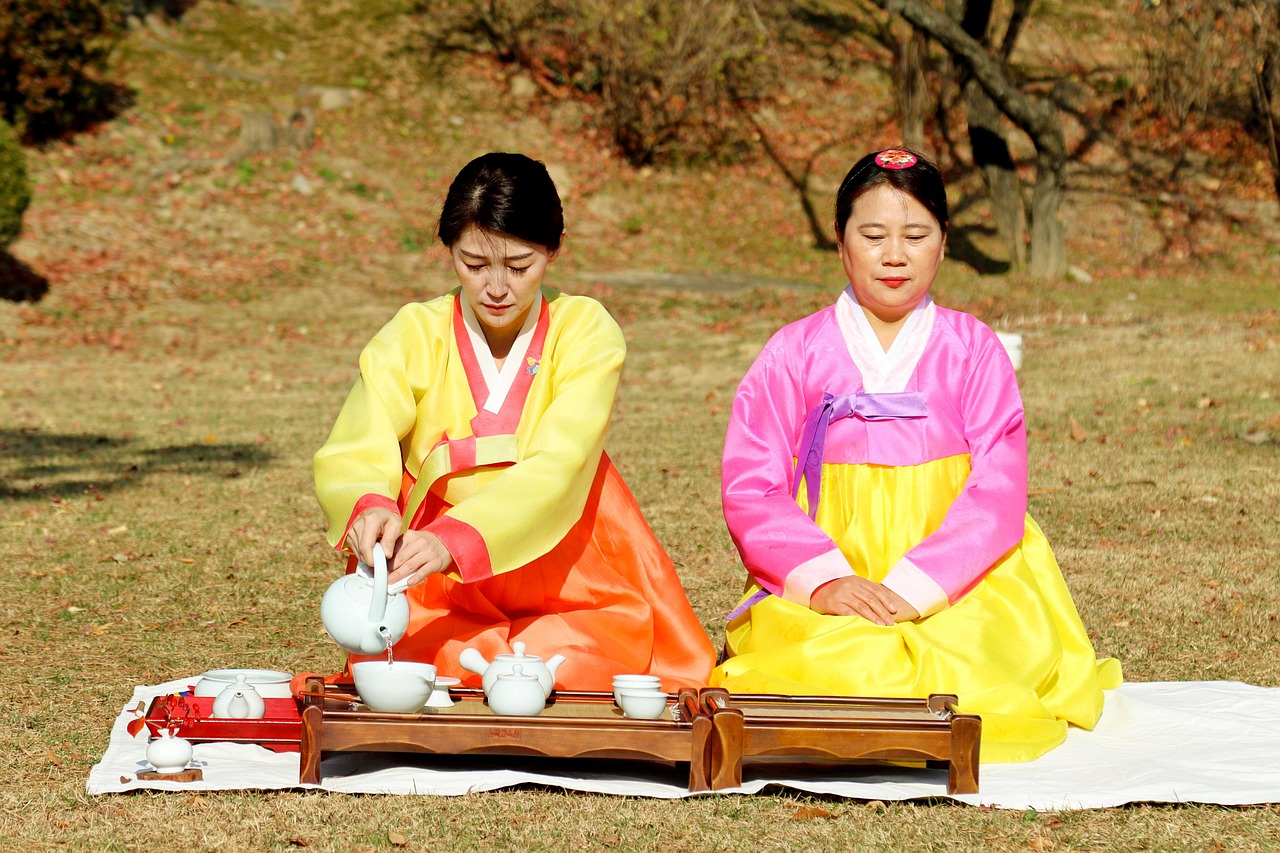
The Heritage Revolution Taking Korea by Storm
Korea’s approach to cultural preservation has evolved dramatically. Rather than keeping traditions locked behind museum glass, the government launched a presidential commission on pop culture exchange, aiming to achieve 50 trillion won in cultural exports by 2030. This strategic initiative treats Korean culture 2026 not as nostalgia, but as a dynamic national industry that influences everything from tourism to global soft power.
The results speak volumes. Last year’s tourism boom was fueled not just by K-pop concerts, but by experiences that blend ancient dynasties with modern entertainment. Visitors now explore the creative engine behind contemporary Korean content by experiencing the Silla and Joseon legacies firsthand.
Digital Hanbok Experiences and Fashion Forward Traditions
One of the most visible transformations in Korean culture 2026 involves hanbok, the traditional Korean attire. Modern designers like Lee Rheeza pioneered patchwork hanbok using recycled fabric pieces, creating a fashion trend that honors sustainability while respecting tradition. This innovative approach has moved beyond novelty into mainstream acceptance.
Interactive Cultural Boxes Across Korea
The National Folk Museum and Korean Cultural Centers worldwide now feature hands-on “cultural boxes.” These immersive displays include the Annyeong Box introducing Hangeul, the Sarangbang Box showcasing men’s quarters in Joseon-era homes, the Anbang Box highlighting women’s spaces, and the Hanbok Box where visitors can try traditional clothing. These tactile experiences make Korean culture 2026 accessible to global audiences.
Technology Meets Tradition at Incheon Airport
The Korean Traditional Culture Center at Incheon Airport Terminal 2 exemplifies this blend perfectly. Located in the duty-free zone, this extraordinary space combines national heritage with modern technology, allowing travelers to experience National Intangible Cultural Heritage through interactive installations before even leaving the airport.
Smart Temples and Heritage Sites Go High-Tech
Ancient Buddhist temples and Confucian academies are embracing digital integration without losing their spiritual essence. Augmented reality guides at Gyeongbokgung Palace allow visitors to visualize royal ceremonies as they happened centuries ago. Meanwhile, festival organizers blend EDM night shows with traditional purification rituals, creating unforgettable fusions of nature, culture, and contemporary entertainment.
Jeonju Hanok Village: Living History
As South Korea’s largest hanok district, Jeonju Hanok Village consists of approximately 625 traditional tile-roofed houses featuring modernized hanok architecture. This destination proves that Korean culture 2026 thrives when historical preservation meets contemporary functionality. Visitors can stay overnight in these traditional homes equipped with modern amenities, dine at fusion restaurants, and attend cultural workshops.
Seoul’s Architectural Conversation Between Eras
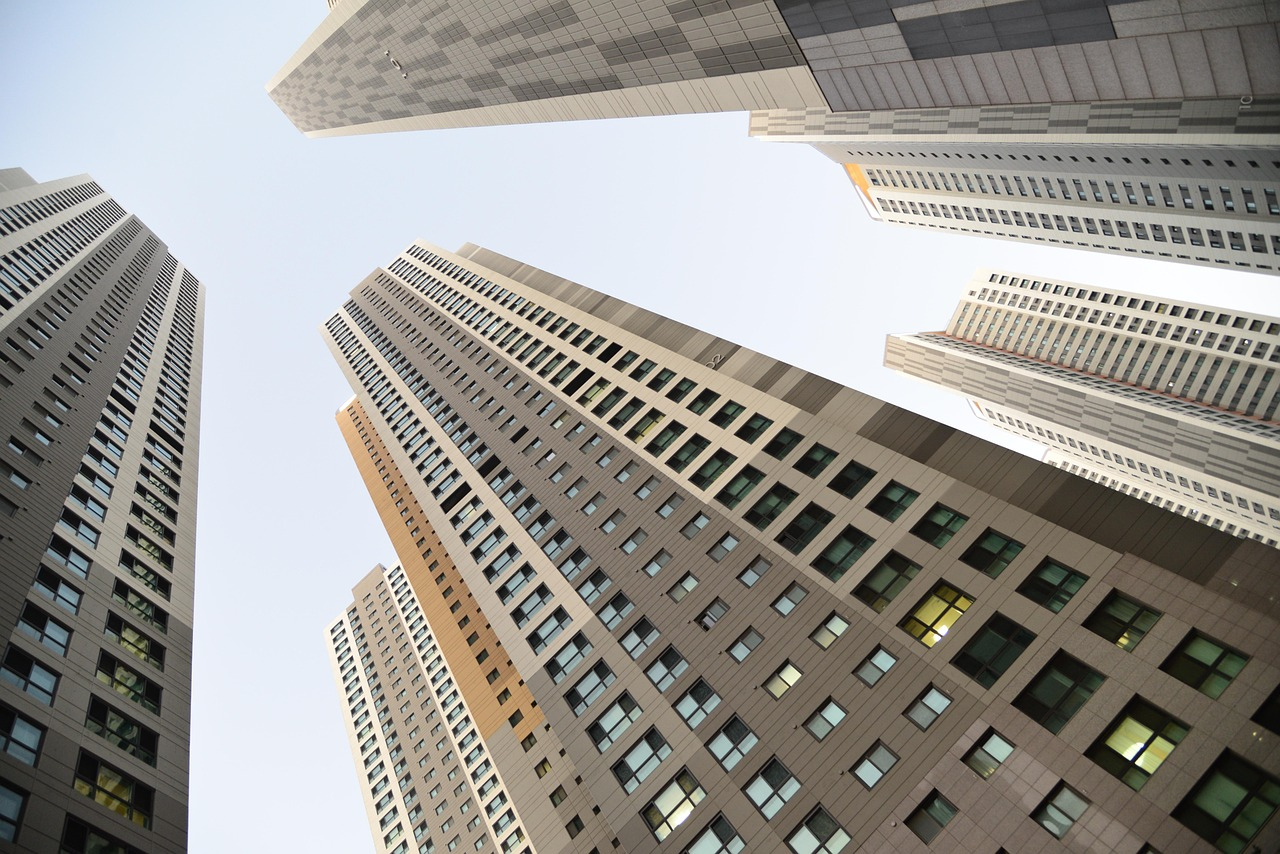
Seoul stands as the ultimate symbol of balancing traditional and modern aesthetics. The capital doesn’t just feature high-tech skyscrapers; it carefully integrates old-style architecture into urban planning. Neighborhoods like Bukchon showcase this harmony, where residents live in restored hanok houses while enjoying all the conveniences of a modern metropolis.
This architectural dialogue extends to commercial spaces too. Luxury brands now occupy hanok-style buildings, and traditional markets incorporate QR code ordering systems alongside time-honored haggling practices.
From Merchandise to Meaningful Experiences
The evolution of Korean culture 2026 is evident in how it permeates museum shops, palace neighborhoods, and city branding. K-culture has moved beyond concert stages to become embedded in everyday tourism. Cultural merchandise now serves as both revenue stream and educational tool, with items designed by contemporary artists inspired by traditional motifs.
What This Means for Cultural Tourism
For travelers planning Korea visits in 2026 and beyond, this cultural fusion creates richer experiences. You can attend a traditional tea ceremony in the morning and an EDM festival in the evening. You might explore a temple stay program featuring meditation apps, or visit a hanok guesthouse with smart home technology. This isn’t about choosing between old and new—it’s about experiencing how Korean culture 2026 makes both coexist beautifully.
The government’s strategic investment in key sectors including music, dramas, webtoons, and food demonstrates commitment to this cultural evolution. With expanded funding and infrastructure, the fusion model will only deepen, offering ever more sophisticated ways to engage with Korean heritage.
Ready to experience this cultural revolution yourself? Explore more insights about Korean traditions, modern trends, and travel tips at ko2u.com’s newsletter and join a community passionate about Korea’s dynamic cultural landscape.