
Historic Rebound After Record Plunge
South Korean stock markets staged a powerful comeback on Thursday, March 5, 2026, with the benchmark KOSPI index surging 9.6% to close at 5,583.9 points. This marked the index’s best single-day performance since 2008, coming just one day after a historic 12% plunge that sent shockwaves through global markets.
The KOSDAQ, South Korea’s tech-heavy index, performed even more impressively with a 14.1% jump to close at 1,116.41 points. The dramatic reversal showcased both the resilience and extreme volatility that have come to characterize Korea’s equity markets in early 2026.
Semiconductor Giants Lead Recovery
Technology heavyweights drove the market recovery, with Samsung Electronics surging more than 11% and SK Hynix climbing over 10%. Both companies, which together account for roughly one-third of the KOSPI’s total market capitalization, benefited from renewed investor confidence in the semiconductor sector’s long-term fundamentals.
Other standout performers included Hanmi Semiconductor, which jumped 20.85%, and Hyundai Motor Company, which gained 9.18%. The broad-based rally reflected a shift in sentiment as investors reassessed risks and recognized potential value in oversold positions.
Retail Investors Fuel Trading Surge
Individual investors played a crucial role in Thursday’s rebound, accounting for 45% of total KOSPI trading volume. Retail traders were net buyers of approximately 1.3 trillion won ($13.3 billion), making them the largest participant group on the market.
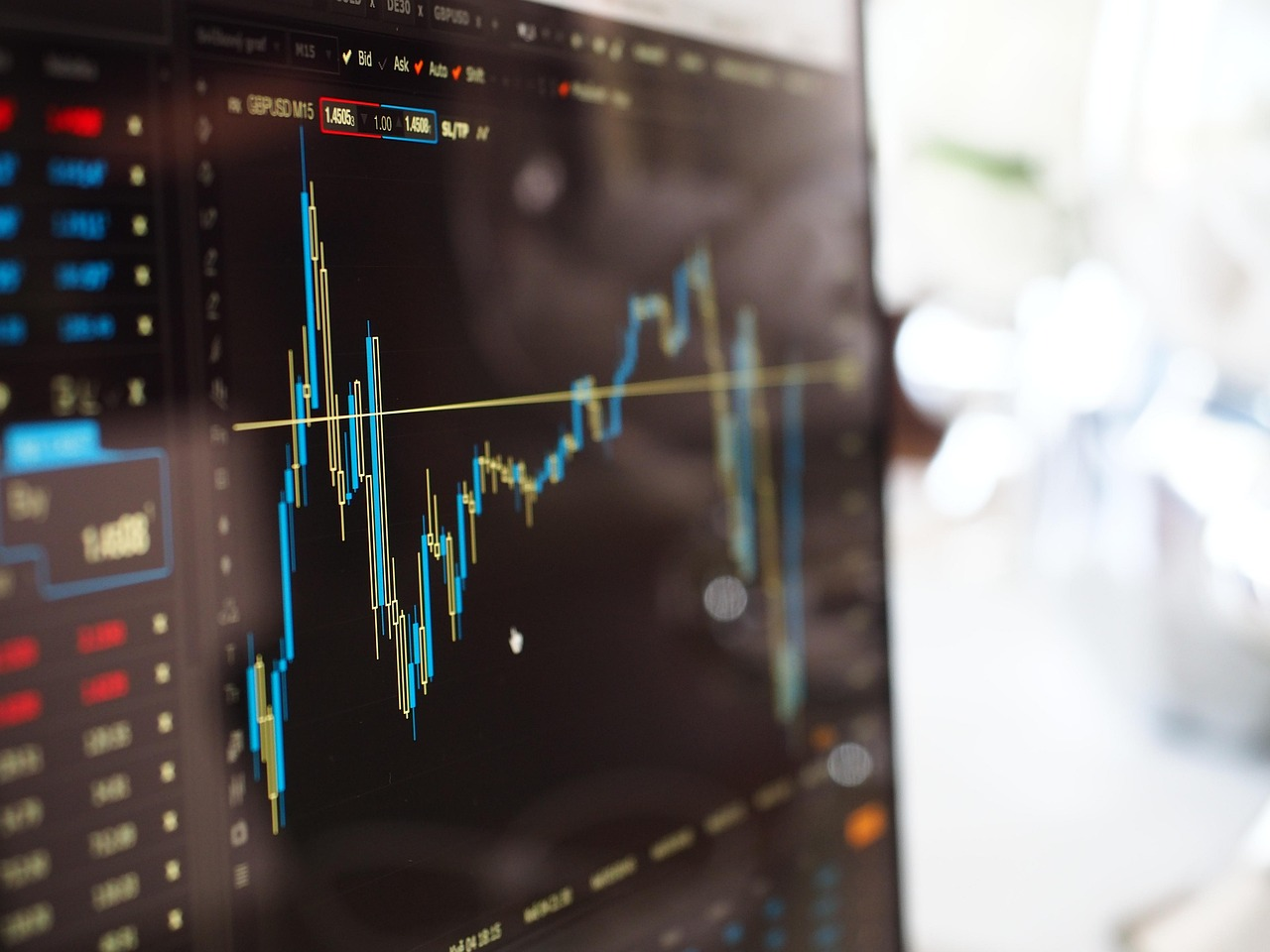
This massive retail participation underscores South Korea’s unique market structure, where individual investors often drive significant price movements through leveraged positions and exchange-traded funds. However, this same characteristic also contributes to heightened volatility, as margin calls during downturns can trigger forced selling cascades.
Understanding the Volatility
Market analysts attribute Korea’s extreme price swings to several structural factors. The KOSPI’s heavy concentration in a handful of technology stocks means that moves in Samsung and SK Hynix are magnified across the entire index. This concentration risk creates outsized reactions to both positive and negative news.
Additionally, South Korea’s sensitivity to energy prices played a role in the initial selloff. As a major crude oil importer, the country faces economic headwinds when geopolitical tensions in the Middle East drive up oil prices. Wednesday’s plunge was partly triggered by escalating conflict concerns that sent energy costs soaring.
Global Context and Regional Comparison
While global markets experienced turbulence this week, Korea’s moves were particularly pronounced. Jason Hsu, CEO of Rayliant Global Advisors, noted that “Korea is a bit of an outlier” compared to other Asian markets’ reactions to the same geopolitical risks.
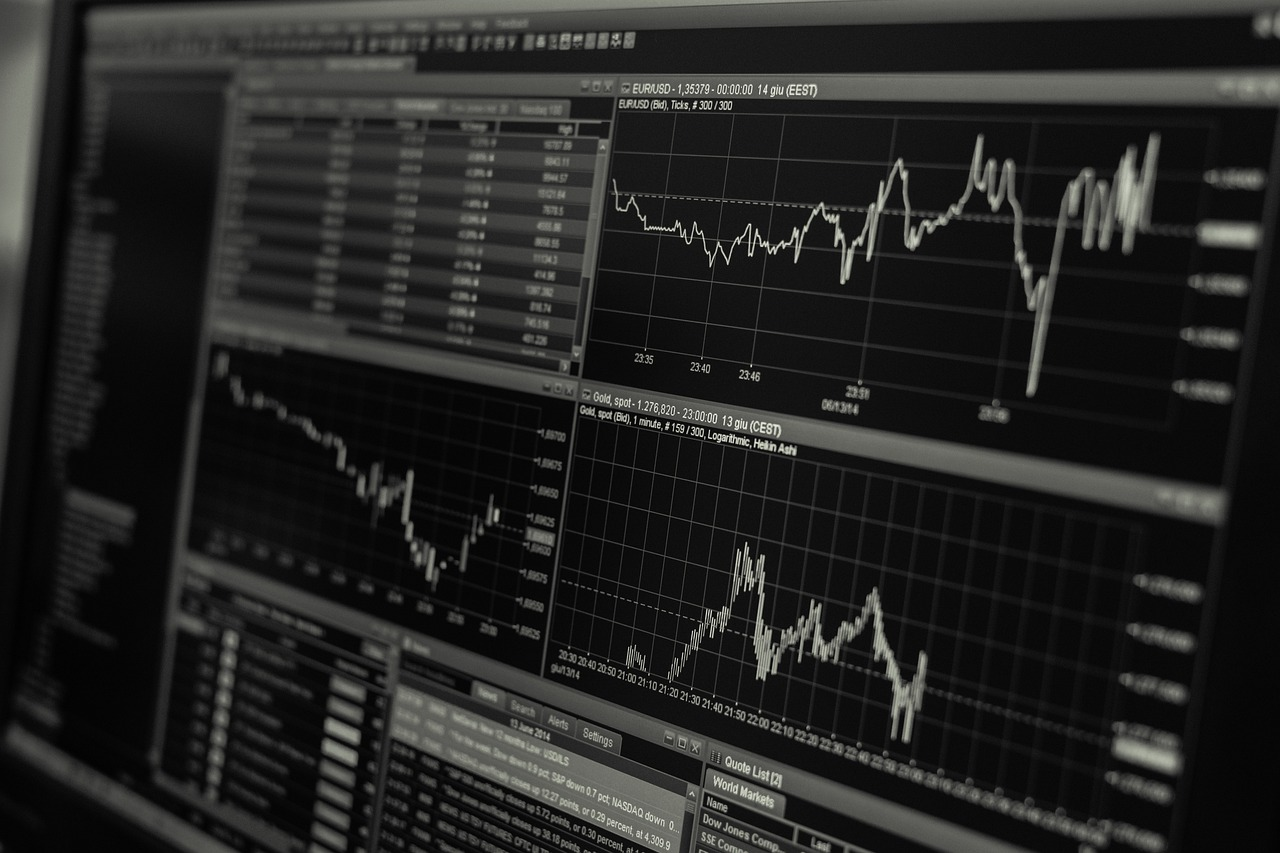
The KOSPI Volatility Index surged to a record high during Wednesday’s selloff and remains elevated despite Thursday’s recovery. This elevated volatility reflects ongoing uncertainty about the trajectory of global conflicts, energy markets, and technology sector valuations.
Semiconductor Fundamentals Remain Strong
Despite short-term turbulence, market strategists maintain a positive outlook for Korean equities, particularly in the semiconductor sector. Memory chip prices, especially for Dynamic Random Access Memory (DRAM), have been rising throughout 2025 and are expected to continue growing through the first half of 2026.
JPMorgan Asset Management’s Raisah Rasid emphasized that “demand-supply dynamics in the memory chips space is likely to remain tight through this year and possibly the next.” This fundamental strength in the chip cycle provides underlying support for Korean technology stocks, even as short-term sentiment fluctuates.
Outlook and Investment Considerations
Looking ahead, investors should expect continued volatility in Korean markets as geopolitical uncertainties persist and retail traders maintain their active presence. However, the strong semiconductor earnings outlook and relatively attractive valuations following recent corrections may present opportunities for long-term investors.
KB Securities cautioned that “it would be premature to call for an immediate V-shaped recovery,” citing the scale of leveraged positions among retail investors and ongoing Middle East uncertainties. Prudent investors should monitor both global risk factors and sector-specific developments in technology and energy markets.
The dramatic events of this week serve as a reminder of Korea’s position as one of the world’s most dynamic equity markets, offering both significant opportunities and substantial risks for investors willing to navigate its unique characteristics.
Stay informed about Korean stock market trends and global investment opportunities by subscribing to our free newsletter.