
Black Tuesday Strikes Korean Markets

On March 3, 2026, South Korea’s stock market experienced its worst single-day crash in 19 months, with the KOSPI index plummeting 7.24% to close at 5,791.91 points. The dramatic selloff, quickly dubbed “Black Tuesday,” was led by the nation’s two semiconductor giants: Samsung Electronics fell 9.88% while SK Hynix plunged 11.5%. The rapid decline triggered a “sidecar” circuit breaker mechanism, temporarily halting program trading as panic selling intensified.
The crash came as a shock to investors who had enjoyed a stellar rally. The KOSPI had surged 34% since the start of 2025, with Samsung and SK Hynix accounting for the majority of those gains. Foreign investors led the exodus, selling over 3 trillion won worth of Korean stocks in a single morning session, with total net selling exceeding 10 trillion won over just two trading days.
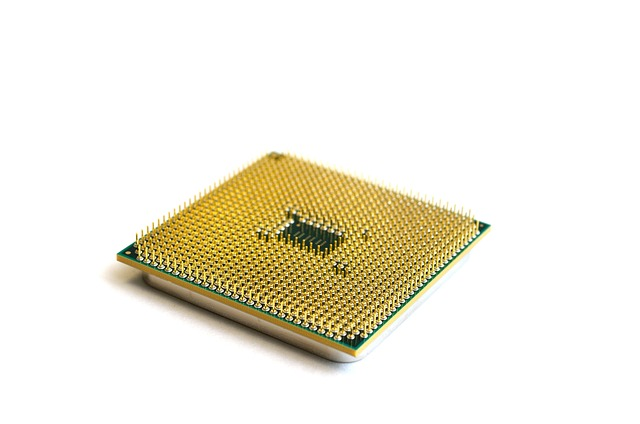
Why Samsung and SK Hynix Led the Collapse
Samsung’s Texas Production Delays
Samsung Electronics’ 10% drop was triggered by reports that mass production at its advanced semiconductor manufacturing facility in Texas may be delayed until 2027. This represents a significant setback for the company’s U.S. expansion strategy and raised immediate concerns about execution risk and near-term revenue growth. When major capital investment milestones get pushed back, investors quickly reassess their growth assumptions.
Semiconductor Sector Confidence Unwinds
SK Hynix’s even steeper 11.5% decline reflected broader concerns about the semiconductor industry’s near-term outlook. The memory chip maker, which had been trading near all-time highs, saw investor confidence evaporate as traders reassessed valuation multiples that had expanded during the rally. The concentration risk in the KOSPI became painfully apparent – when these two chip giants stumble, the entire market feels it.
Global Spillover Effect
The Korean chip selloff rapidly spread across the Pacific to U.S. markets. Nvidia fell 3%, AMD dropped 4%, Intel lost 4.66%, and Micron slid 6.6% in sympathy selling. Taiwan Semiconductor Manufacturing Company (TSMC) declined 5.1%, while Marvell and GlobalFoundries also posted significant losses. The interconnected nature of global semiconductor supply chains meant Korean pain quickly became Wall Street’s problem.
Geopolitical Tensions Add Fuel to the Fire
Middle East Conflict Escalation
Escalating tensions in the U.S.-Israel-Iran conflict added another layer of pressure to risk assets. Oil prices surged 7% to $83.04 per barrel on Brent crude, immediately raising inflation concerns. Higher energy costs threaten to reignite inflationary pressures just as central banks were considering policy easing, creating a more challenging macro environment for growth stocks.
Foreign Capital Flight
The combination of company-specific concerns and geopolitical uncertainty triggered a rush for the exits among foreign institutional investors. The 10 trillion won selloff over two days represented one of the largest foreign capital outflows from Korean markets in recent memory, highlighting how quickly sentiment can shift when multiple risk factors converge.
What This Means for Korean Stock Market Outlook
Government Response
South Korea’s Ministry of Economy and Finance, along with the central bank and regulatory authorities, quickly issued statements pledging to closely monitor financial markets and implement stabilization measures if necessary. However, direct intervention appears unlikely unless the selloff intensifies further.
Concentration Risk Exposed
The crash highlighted a fundamental vulnerability in the Korean stock market: excessive concentration in semiconductor stocks. When Samsung and SK Hynix drive the majority of index gains, any negative news in the chip sector creates outsized downside risk. Diversification remains a persistent challenge for Korean equity investors.
Technical Damage and Recovery Path
Despite the brutal selloff, the KOSPI remains up significantly year-to-date, though the 34% gain has been sharply reduced. The market now faces key technical support levels, and analysts will be watching whether institutional buyers step in to support valuations or if further downside awaits. The speed and severity of the decline suggests investor confidence has been shaken, and recovery may take time.
Investment Implications
For investors considering Korean stocks, the crash serves as a reminder that concentrated portfolios carry amplified risk. While Samsung and SK Hynix remain long-term leaders in semiconductor technology, their elevated valuations following the rally left little room for disappointment. Those with longer time horizons may view the pullback as a potential buying opportunity, but near-term volatility is likely to persist as markets digest the production delays and geopolitical developments.
The Korean stock market’s “Black Tuesday” demonstrates how quickly sentiment can reverse when company-specific setbacks coincide with broader macro concerns. Investors should stay informed about both semiconductor industry developments and geopolitical risks that could impact Korean equities in the months ahead.
Stay ahead of Korean market trends and company analysis by subscribing to our free newsletter.