
From Recovery to Adaptation: Understanding 2026’s Cultural Landscape
As South Korea enters 2026, the country’s social fabric is undergoing a profound transformation. The Ministry of Culture, Sports and Tourism recently analyzed over 538 million pieces of online data to identify six major Korean culture trends that will define daily life in the coming year. These shifts mark a transition from post-crisis recovery to a new era of social adaptation, where individual identity, technological ethics, and emotional wellness take center stage.
Understanding these trends offers valuable insight into how Korean society is rebalancing traditional values with modern challenges, from artificial intelligence integration to evolving consumer priorities.
The Six Defining Korean Culture Trends of 2026
1. Human-Centered AI: Redefining Roles in a Digital Era
While artificial intelligence has become deeply embedded in Korean daily life, public discourse is shifting from mere adoption to ethical governance. Online mentions of AI surged 44 percent compared to 2025, with related terms like “security” (+220%) and “regulation” (+109%) reflecting growing concerns about job displacement, safety, and fairness. Korean society is no longer asking how to use AI, but how to preserve human-centered values alongside technological advancement.
2. “Being Myself”: The Rise of Individualism
Traditional Confucian values emphasizing collective harmony are giving way to a more individualistic approach. Searches for “being myself” increased 10 percent year-over-year, with associated keywords like “individuality,” “self-determination,” and “choice” dominating conversations. Koreans are increasingly defining life decisions around personal values rather than societal expectations, signaling a shift toward diverse coexisting lifestyles rather than a single standard model.
3. Wellness as a Lifestyle, Not a Luxury
Health perceptions are expanding beyond medical treatment. Mentions of “wellness” rose 16 percent, alongside terms like “slow aging,” “mental well-being,” and “daily habits.” Koreans are embracing lifelong health management that includes sleep optimization, stress reduction, and aging preparation. Wellness is increasingly viewed as a basic social condition necessary for stability, not just a personal choice. This trend connects to broader cultural shifts in Korean society.

4. Cost-Effective Consumption: Practical Over Extravagant
Consumer behavior is evolving toward balance and efficiency. While consumption-related mentions increased 13 percent, “cost-effectiveness” emerged as the dominant theme. This reflects not frugality, but a rational approach to spending through smart alternatives and thoughtful purchasing decisions. Korean consumers are prioritizing value without sacrificing quality.
5. K-Culture Pride and the “Feelconomy”
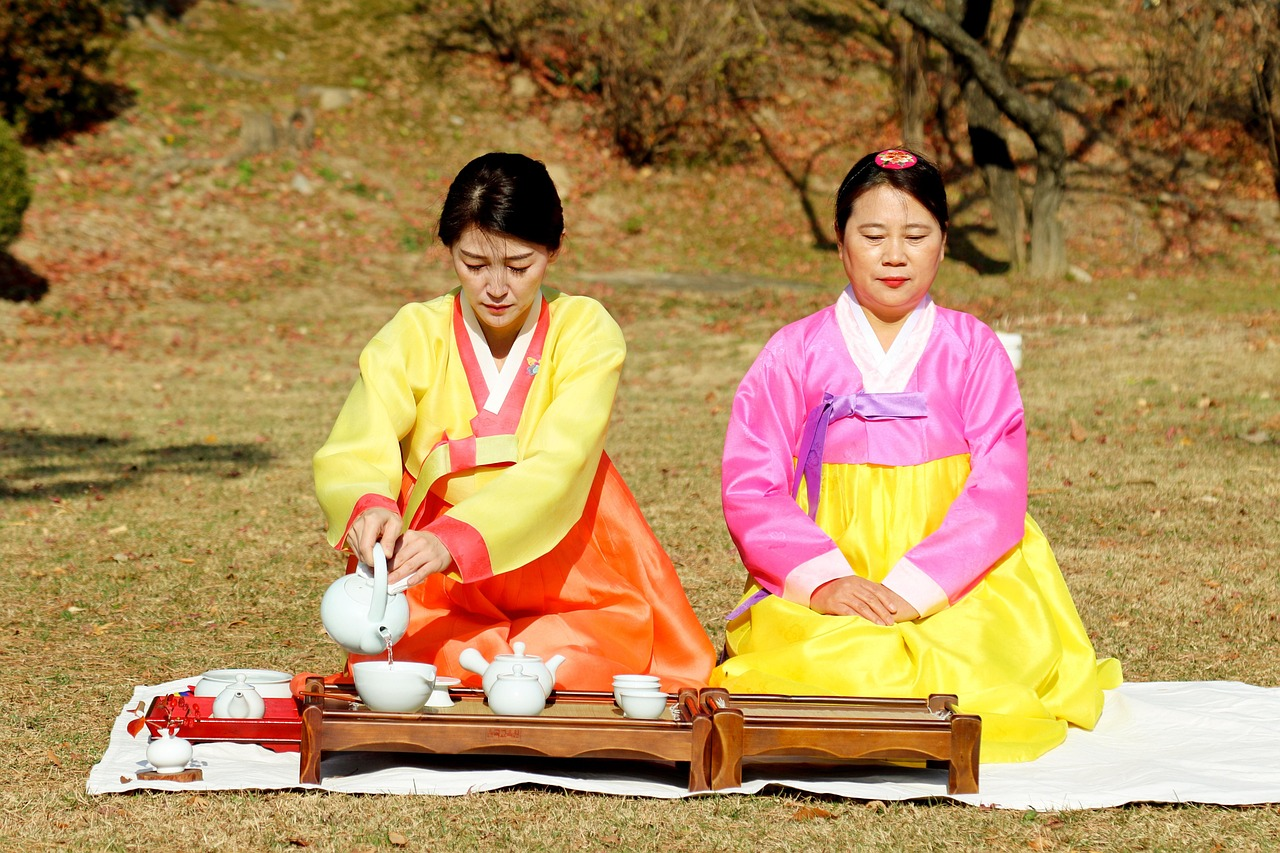
The global Korean Wave is transforming into economic power. Online mentions of “K-culture” jumped 31 percent, with fan-driven cultural consumption converting into real spending on exhibitions, tourism, and merchandise. Emotional resonance is now a driving force in purchasing decisions, creating what researchers call the “feelconomy”—where feelings fuel economic activity. From K-pop to hanbok fashion, cultural pride is translating into tangible market impact.
6. Emotional Coexistence: Small Communities, Big Support
Koreans are redefining relationships through emotional empathy. Mentions related to empathy rose 20 percent, with terms like “recovery,” “communication,” and “emotion” standing out. Rather than relying on large institutions, people are finding support in small communities built around shared interests and lifestyles. This shift emphasizes relationship structures that enable emotional recovery during crises, moving beyond traditional definitions of success.
What These Trends Mean for Global Observers
These six Korean culture trends reveal a society balancing rapid technological change with deeply human needs. As Korea continues to influence global culture through entertainment, technology, and social innovation, understanding these internal shifts provides crucial context for anyone interested in East Asian society or international cultural dynamics.
For travelers, content creators, and cultural enthusiasts, 2026’s trends highlight opportunities to engage with Korea on a deeper level—beyond surface-level tourism or media consumption. Whether exploring wellness practices, participating in K-culture communities, or observing AI policy developments, Korea’s social evolution offers lessons applicable worldwide.
As the year unfolds, watching how these trends interact and evolve will be essential for anyone tracking Korean society’s influence on the global stage.