
KOSPI Surges to Historic 5,846 on Semiconductor Strength
The Korean stock market delivered another stellar performance on February 23, 2026, with the benchmark KOSPI index closing at a record high of 5,846 points. This marks the third consecutive session of gains, solidifying South Korea’s position as one of the top-performing global markets in early 2026.
The rally was primarily driven by continued strength in the semiconductor sector, with Samsung Electronics and SK Hynix leading the advance. Global investors continue to pour capital into Korean tech stocks, viewing them as beneficiaries of the ongoing AI infrastructure boom and memory chip supply constraints.
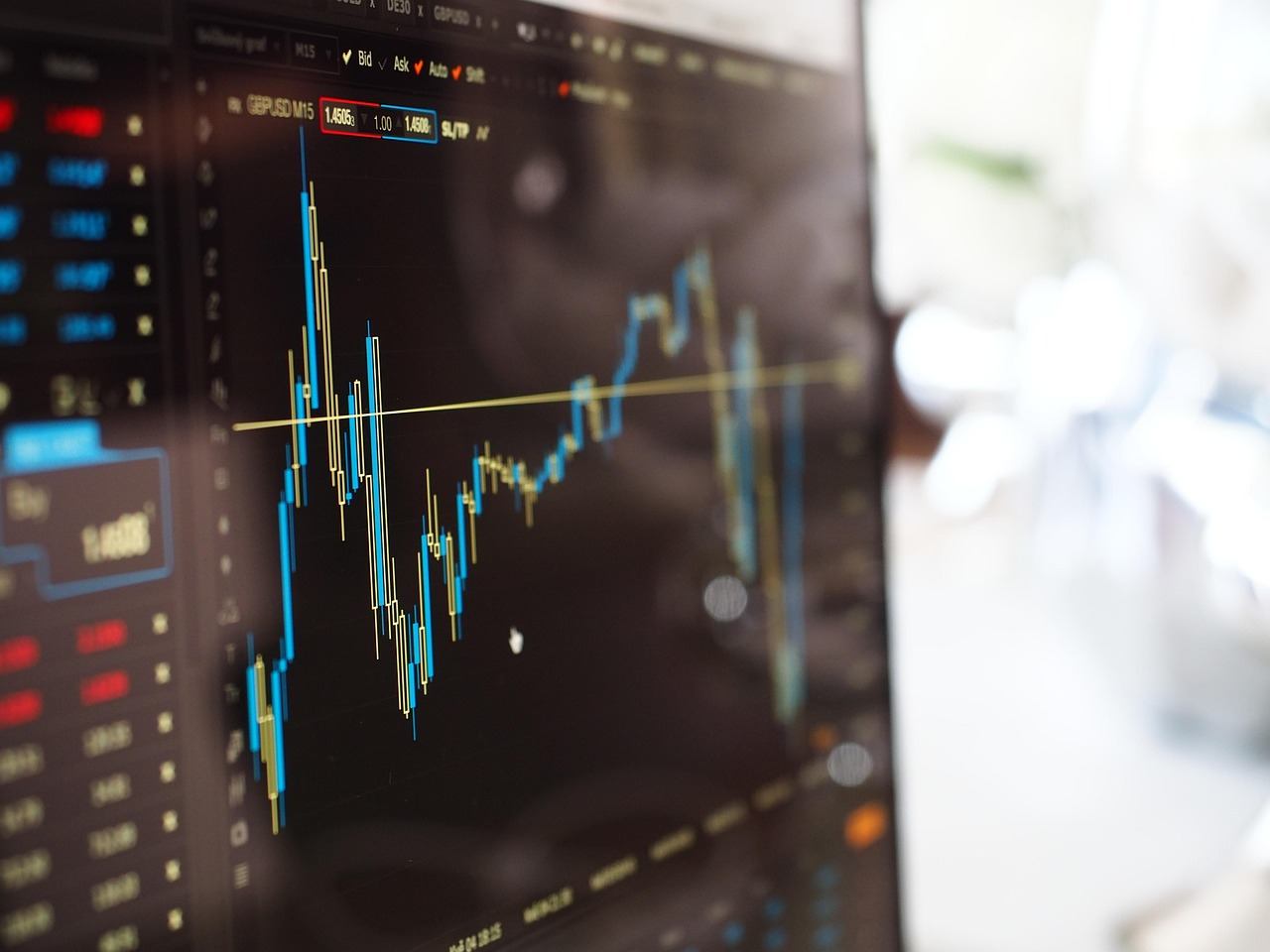
Market Performance Breakdown
While the KOSPI celebrated new highs, the KOSDAQ index showed signs of consolidation, slipping 0.17% to close at 1,151.99 points. This divergence reflects investor preference for large-cap blue chips over smaller growth stocks in the current market environment.
Trading volume remained robust throughout the session, indicating strong conviction among both domestic and foreign investors. The sustained buying pressure suggests that market participants view the current valuation levels as justified despite the impressive year-to-date gains.
Semiconductor Sector Dominates Market Cap
The semiconductor sector continues to be the primary driver of Korean stock market performance. Samsung Electronics gained 3.05% during the session, while SK Hynix advanced 2.42%. Combined, these two tech giants account for a significant portion of the KOSPI’s total market capitalization.
The sector’s strength is underpinned by robust global demand for high-bandwidth memory (HBM) chips, which are essential components in AI accelerators and data center infrastructure. Both Samsung and SK Hynix have announced capacity expansion plans to meet surging demand from hyperscale cloud providers and AI chipmakers.
Global Context and Export Data
Korean Markets Outperform US Counterparts
The Korean stock market’s resilience stands in stark contrast to recent weakness in US equity markets. While American indices have declined approximately 3% in recent sessions, the KOSPI has surged 11% over the same period. This outperformance reflects both sectoral strength and favorable positioning in global technology supply chains.
Analysts attribute this divergence to several factors, including relatively attractive valuations in Korean equities compared to US tech stocks, strong corporate earnings momentum, and reduced political uncertainty following recent policy reforms.
Trade Data Supports Bullish Outlook
Strong export data released earlier this week provided additional support for the market rally. South Korea’s exports surged 23.5% year-on-year to $43.5 billion in the first 20 days of February, significantly exceeding analyst expectations. The robust trade figures reflect sustained global demand for Korean semiconductors, automobiles, and industrial equipment.
The export momentum suggests that corporate earnings revisions may trend higher in coming quarters, potentially justifying the market’s current valuation premium. Major institutional investors have begun raising their year-end KOSPI targets, with some projections now reaching the 6,000-point level.
Sector Rotation and Investment Implications
Beyond semiconductors, the automotive sector also contributed to market gains, with Hyundai Motor advancing 4.91% and Kia Corp rising 1.69%. This sector rotation indicates broadening market participation, a positive sign for sustained upward momentum.
However, investors should remain mindful of potential headwinds, including global trade tensions, monetary policy uncertainty, and geopolitical risks. The current rally has been impressive, but maintaining discipline and portfolio diversification remains crucial in this volatile environment.
Market Outlook and Key Levels to Watch
Looking ahead, technical analysts are closely monitoring the 6,000-point psychological resistance level on the KOSPI. A decisive break above this threshold could trigger additional foreign capital inflows and push the index toward the 6,200-6,300 range by mid-2026.
Key factors to watch in the coming weeks include quarterly earnings reports from major technology companies, updates on global chip demand trends, and any shifts in central bank policy that could affect capital flows into emerging markets. According to data from Korea Exchange, institutional buying has remained robust, suggesting confidence in the market’s fundamental strength.
For investors seeking to stay informed about Korean market trends and investment opportunities, subscribing to regular market updates can provide valuable insights. Sign up for our newsletter to receive timely analysis and investment perspectives on Korean markets.
As always, individual investment decisions should be based on thorough research and aligned with personal financial goals and risk tolerance. For more insights on Korean business and technology trends, explore our Technology section and Culture section.