
Korean street food has evolved from a trending novelty to a global culinary powerhouse in 2026. What once captivated social media feeds now drives menu strategies for major restaurant chains worldwide. From the bustling markets of Seoul to quick-service restaurants in Chicago and London, Korean street food is reshaping how the world eats.
Why Korean Street Food Dominates in 2026
The expansion is remarkable. In the United States alone, Korean restaurant locations grew 10 percent in 2024, with Korean street food leading the charge. Korean fried chicken, corn dogs, and tteokbokki have transcended trend status to become permanent menu fixtures in delivery apps and food halls across continents.
The appeal goes beyond novelty. Korean street food offers bold flavors, Instagram-worthy presentation, and the perfect balance of sweet, savory, spicy, and umami that modern diners crave. These dishes are designed for sharing, perfect for social dining, and crucially, they scale beautifully for commercial kitchens.
Korean Corn Dogs: The Viral Sensation That Stayed
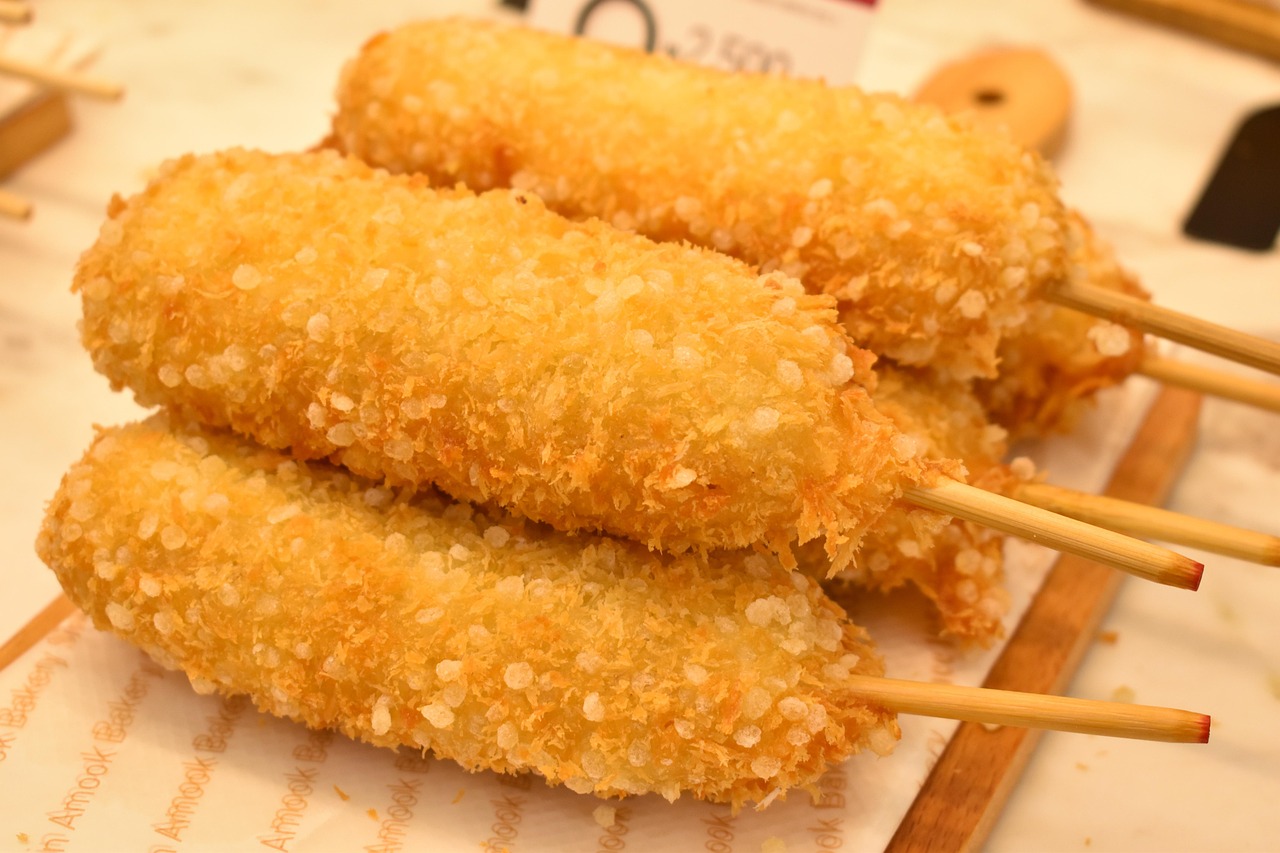
Korean corn dogs continue dominating street food scenes in 2026. Unlike traditional American corn dogs, these feature mozzarella cheese that stretches dramatically when pulled apart, creating the perfect social media moment. Coated in panko breadcrumbs and often rolled in sugar or savory toppings, Korean corn dogs deliver texture and flavor complexity that keeps customers coming back.
Variations now include potato-wrapped versions, squid ink batter, and fillings ranging from hot dogs to sweet potato. The adaptability of Korean street food makes it ideal for experimentation while maintaining authentic roots.
Tteokbokki: From Street Carts to Restaurant Menus
Spicy rice cakes, or tteokbokki, have become a staple beyond Korean neighborhoods. The chewy texture of cylinder-shaped rice cakes swimming in gochugaru-spiked sauce appeals to diners seeking comfort food with a kick. Restaurants now offer premium versions with seafood, cheese, or carbonara-style cream sauce.
Instant tteokbokki packages also experienced explosive growth, allowing home cooks to recreate this Korean street food experience. The dish’s versatility supports both traditional preparation and modern fusion interpretations.
Authentic Korean Stews Enter Mainstream Markets
While fried and skewered items grab attention, Korean stews are quietly conquering restaurant menus worldwide in 2026. Sundubu-jjigae (soft tofu stew) and kimchi jjigae appear on lunch buffets at upscale hotels from Osaka to London.
Kimchi Goes Authentic
Perhaps the most significant shift in Korean street food trends involves kimchi authenticity. A few years ago, Western restaurants labeled generic pickles as “kimchi.” Now, proper fermented kimchi appears in pub burgers, taco stands, and pizza toppings. This represents not just adoption but respect for Korean culinary traditions.
Kimchi-based dishes like kimchi fried rice and kimchi pancakes have become comfort food staples that Korean restaurants use to introduce customers to fermented flavors.
Hotteok: The Sweet Street Pancake
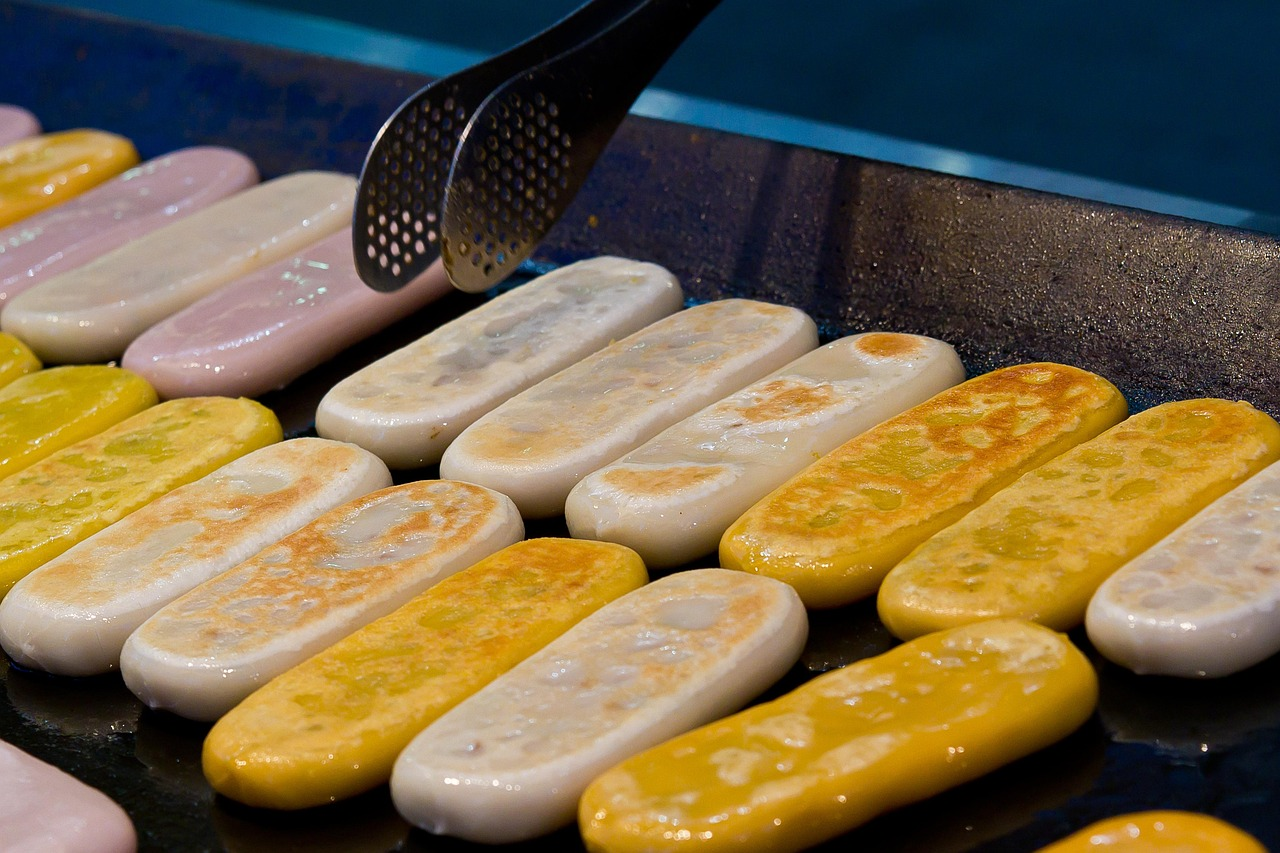
Hotteok, the beloved Korean sweet pancake filled with brown sugar, cinnamon, and nuts, is experiencing its own renaissance. Street vendors traditionally sold these piping hot during winter months, but 2026 sees year-round demand with creative fillings like Nutella, s’mores, and mozzarella cheese for savory variations.
The crispy-on-the-outside, gooey-on-the-inside texture makes hotteok perfect for food trucks and takeaway windows. Its simple preparation and high profit margin make it attractive for new Korean street food businesses.
Korean Fried Chicken: The Gateway Dish
Korean fried chicken, or KFC as enthusiasts call it, remains the most successful Korean street food export. The double-frying technique creates impossibly crispy skin that stays crunchy even under sweet-spicy sauces like yangnyeom or soy garlic.
Dedicated Korean fried chicken chains now compete directly with traditional American fried chicken brands. The boneless format, shareable portions, and variety of sauce options fit perfectly into modern dining habits shaped by delivery culture and social eating.
Rice-Based Snacks Gain Ground
Beyond tteokbokki, other rice-based Korean street food items like gimbap, rice cake skewers, and butter potato are finding enthusiastic audiences. These offerings provide satisfying alternatives to bread-based fast food while introducing diners to Korean ingredients like perilla leaves, fish cake, and sweet rice syrup.
The Future of Korean Street Food
Korean street food in 2026 represents more than temporary food trends. It demonstrates how authentic flavors from one culture can integrate meaningfully into global food systems. The success stems from genuine quality, adaptable formats, and flavors that resonate across cultural boundaries.
For food businesses, Korean street food offers proven menu items with built-in customer recognition. For diners, it provides exciting flavors and textures that feel both novel and comforting. As Korean cuisine continues expanding, expect more regional specialties from cities like Busan, Jeonju, and Gwangju to join the global stage.
Whether you’re exploring Korean culture through food for the first time or you’re a dedicated fan, 2026 offers unprecedented access to authentic Korean street food worldwide. The trend has matured into a lasting movement that enriches global dining culture.
Want to explore more Korean food discoveries? Subscribe to our newsletter for weekly insights into Korean cuisine, culture, and lifestyle trends that matter in 2026.