
Why Korean Regional Travel Is Booming in 2026
South Korea’s tourism landscape is shifting dramatically. While Seoul remains the gateway for most visitors, the real growth story of 2026 is happening beyond the capital. The Korea Tourism Organization recently moved its target of 30 million annual tourists from 2030 to 2028, citing surging interest in regional destinations driven by K-content popularity and improved accessibility.
Regional cities are experiencing unprecedented tourism growth. Busan saw a 35% increase in hotel bookings, while historic Gyeongju and cultural hubs like Jeonju are attracting visitors seeking authentic experiences away from metropolitan crowds. This shift represents a maturing of Korean tourism, where travelers prioritize depth over breadth.
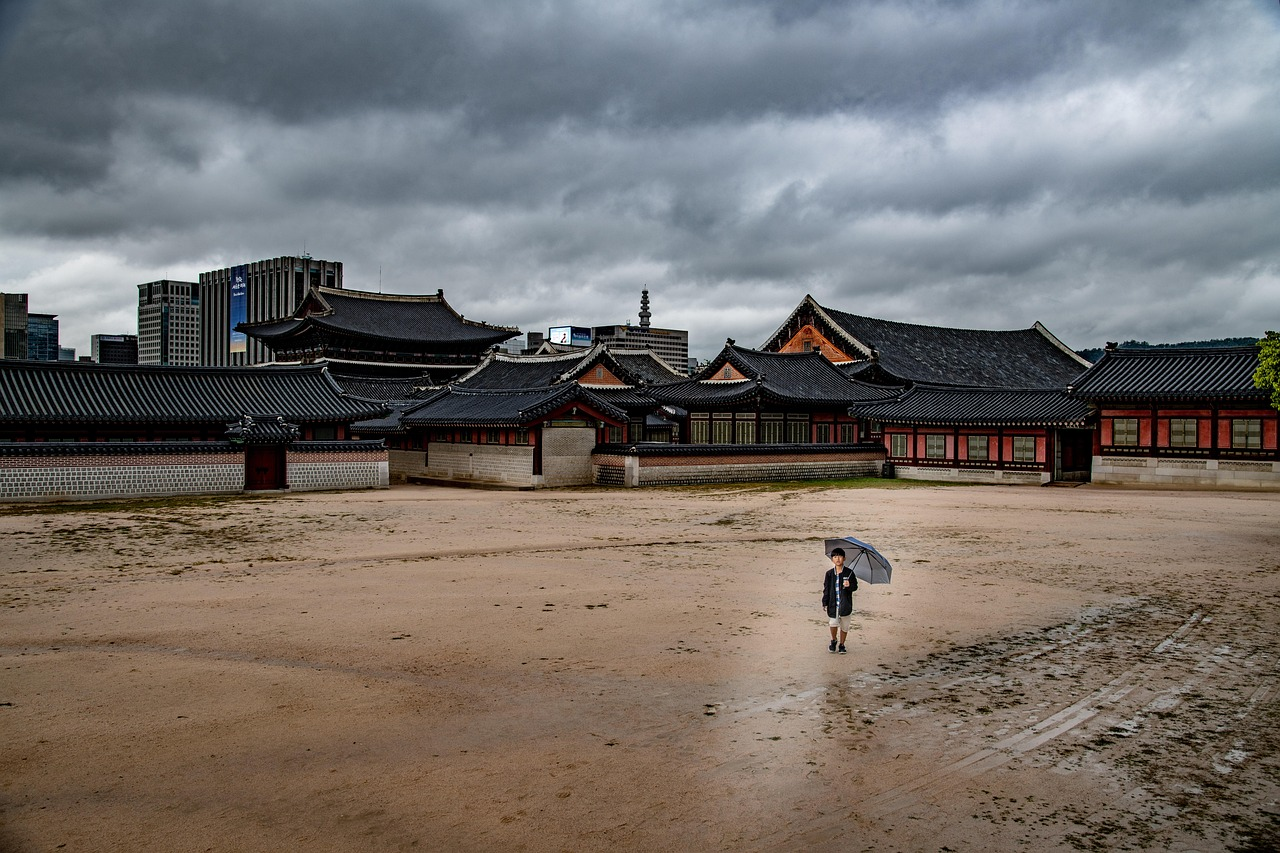
Gyeongju: Korea’s Ancient Capital Reawakens
Once the capital of the Silla Kingdom for nearly a thousand years, Gyeongju holds more UNESCO World Heritage sites per square kilometer than almost anywhere on Earth. The city is experiencing a cultural renaissance as younger travelers discover its tomb landscapes, temple complexes, and archaeological treasures.
Must-Visit Historic Sites
Bulguksa Temple and Seokguram Grotto remain the crown jewels, but lesser-known sites like Namsan Mountain’s scattered Buddhist relics offer solitude and discovery. The royal tombs of Daereungwon create an otherworldly landscape unique to Korean regional travel experiences.
Modern Gyeongju Experiences
Beyond history, Gyeongju’s hanok guesthouses blend traditional architecture with contemporary comfort. Evening illuminations at Anapji Pond transform the ancient pleasure garden into a photographer’s dream, while the Gyeongju National Museum houses artifacts that contextually enrich every temple visit.
Busan: Where Mountains Meet the Ocean
Korea’s second-largest city offers a compelling alternative to Seoul. Busan’s Haedong Yonggungsa Temple sits spectacularly on oceanside cliffs, while Gamcheon Culture Village’s colorful hillside houses have become an Instagram phenomenon without losing their community character.
Coastal Adventures and Urban Culture
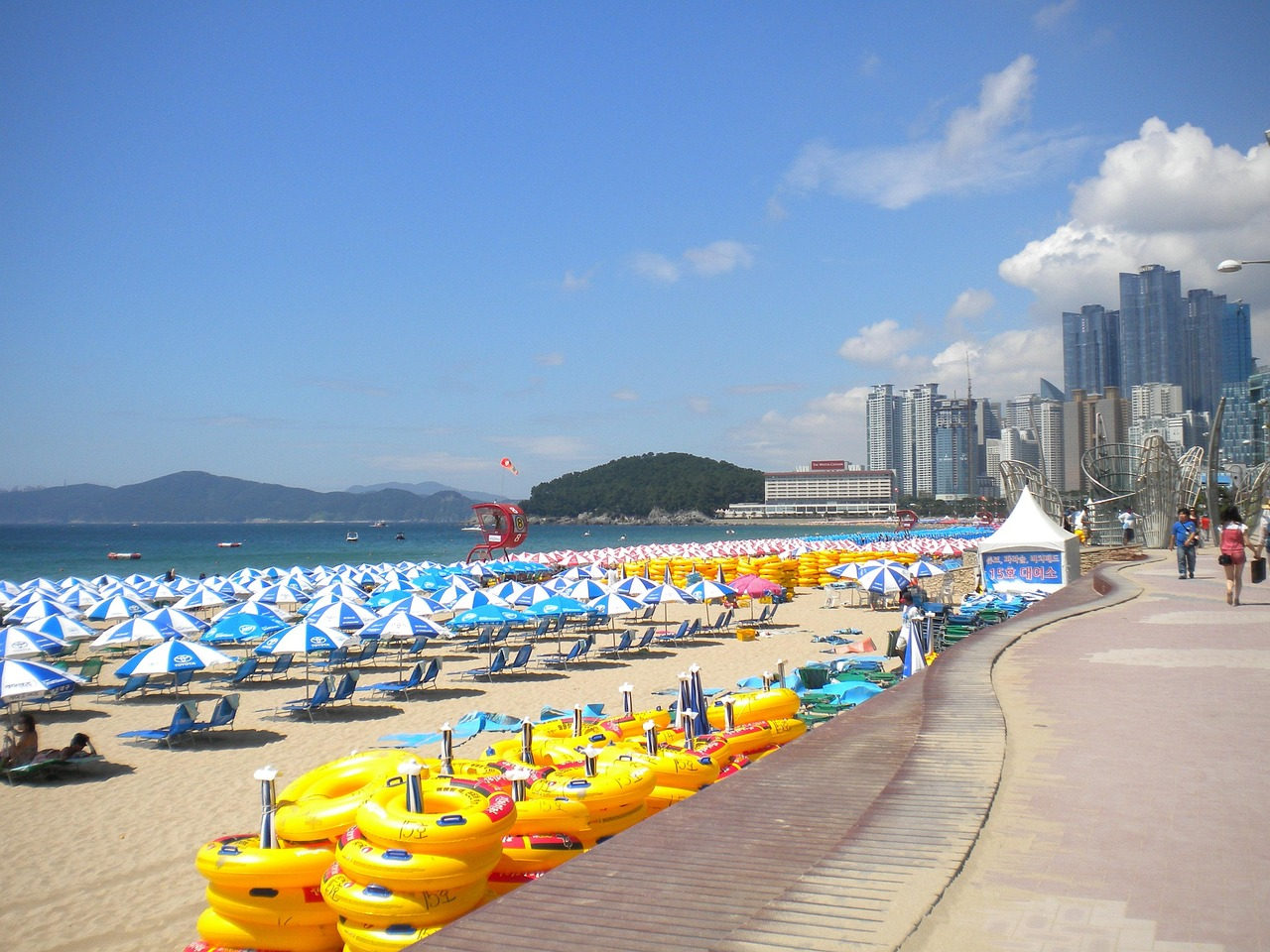
Haeundae Beach draws summer crowds, but Gwangalli Beach offers year-round appeal with its bridge light show. The Jagalchi Fish Market provides immersive food culture, and the Busan Cinema Center hosts Asia’s most prestigious film festival each October.
Jeonju: Culinary Capital and Hanok Heritage
Designated a UNESCO City of Gastronomy, Jeonju is where bibimbap was perfected. The Jeonju Hanok Village contains over 800 traditional houses, creating Korea’s most authentic urban heritage experience. Unlike restored villages elsewhere, Jeonju remains a living neighborhood.
Food Tours Worth the Journey
Beyond bibimbap, Jeonju excels in kongnamul gukbap (bean sprout soup), makgeolli (rice wine), and street food. The Nambu Market has operated for over a century, while modern cafes tucked into hanok courtyards offer fusion experiences respecting tradition.
Lesser-Known Gems Gaining Attention
Andong: Confucian Culture Preserved
The Hahoe Folk Village maintains Joseon-era traditions, with residents still performing mask dances passed down for generations. Dosan Seowon academy offers insights into Confucian education that shaped Korean society.
Yeosu: Naval History and Maritime Beauty
This southern coastal city combines Yi Sun-sin naval heritage with stunning archipelago scenery. The cable car to Dolsan Island provides panoramic views, while fresh seafood restaurants line the romantic waterfront.
Jirisan National Park: Hiking Korea’s Mainland Peak
The first and largest national park in Korea, Jirisan offers multi-day hiking trails through pristine mountain temples. Spring azaleas and autumn foliage draw nature enthusiasts seeking solitude impossible to find near Seoul.
Planning Your Korean Regional Travel Journey
The KTX high-speed rail makes regional travel remarkably efficient. Gyeongju is 90 minutes from Busan, while Jeonju is just two hours from Seoul. Many travelers are now dedicating entire trips to regional exploration rather than treating these destinations as day trips.
Sustainable Tourism Considerations
Popular sites like Gamcheon Village struggle with overtourism. Visit during weekday mornings, respect residential areas, and support local businesses directly. The Korea Tourism Organization is actively promoting off-season travel to distribute visitor pressure.
The Future of Regional Korean Tourism
Infrastructure improvements continue accelerating regional access. New expressways connect previously isolated areas, while regional airports expand international routes. The government’s tourism strategy explicitly focuses on distributing economic benefits beyond Seoul and Busan.
This shift benefits travelers seeking authentic cultural immersion. Regional destinations offer deeper engagement with Korean traditions, less crowding, and often better value than Seoul accommodations. As K-content continues showcasing regional locations, expect these areas to mature into world-class destinations.
Essential Resources for Trip Planning
The Korea Tourism Organization provides comprehensive regional guides, while Korea Herald travel section covers emerging destinations. For ongoing Korea culture insights and travel tips, explore our travel archives and cultural deep-dives.
Want to stay updated on Korean travel trends and cultural discoveries? Subscribe to our newsletter for weekly insights delivered straight to your inbox. We cover everything from hidden temples to food markets, helping you plan authentic Korean experiences beyond the tourist trails.